










Agriculture and Farm Equipment Blog!
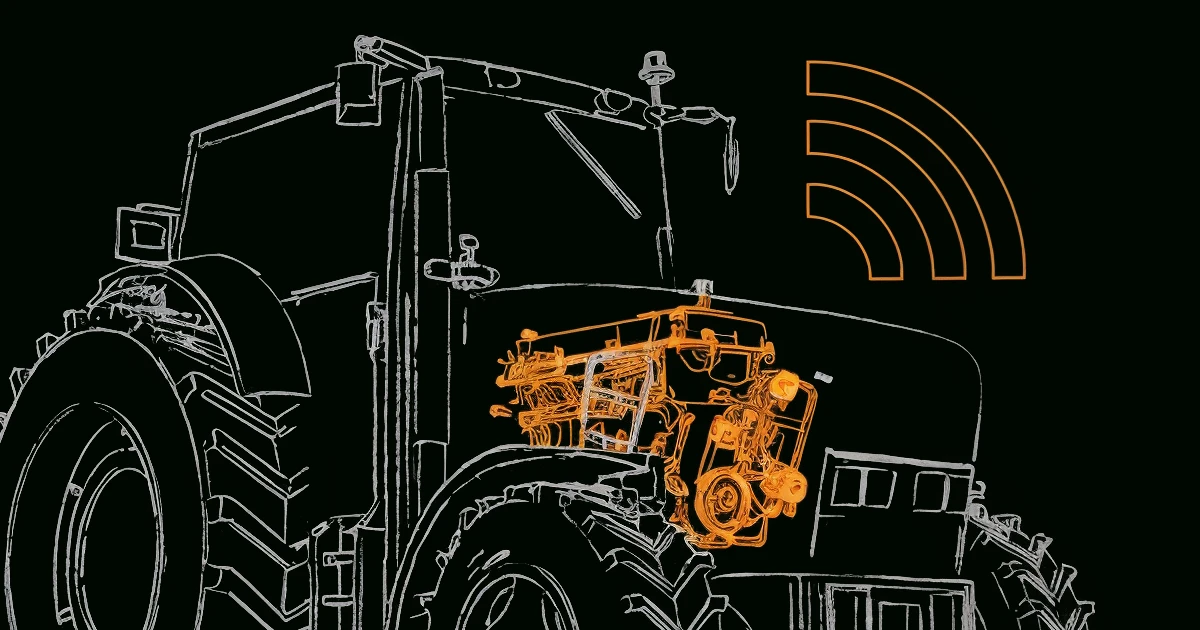
RcFarmArm: A Complete Guide to Wireless Tractor Control
Augering a bin of grain means climbing in and out of that tractor cab dozens of times. Start it. Engage the PTO. Climb down. Check the auger. Climb back up. Adjust the throttle. Repeat for the next truck. By the end of a long harvest day, you’ve logged more steps on that ladder than on the field.
» Read more about: RcFarmArm: A Complete Guide to Wireless Tractor Control »
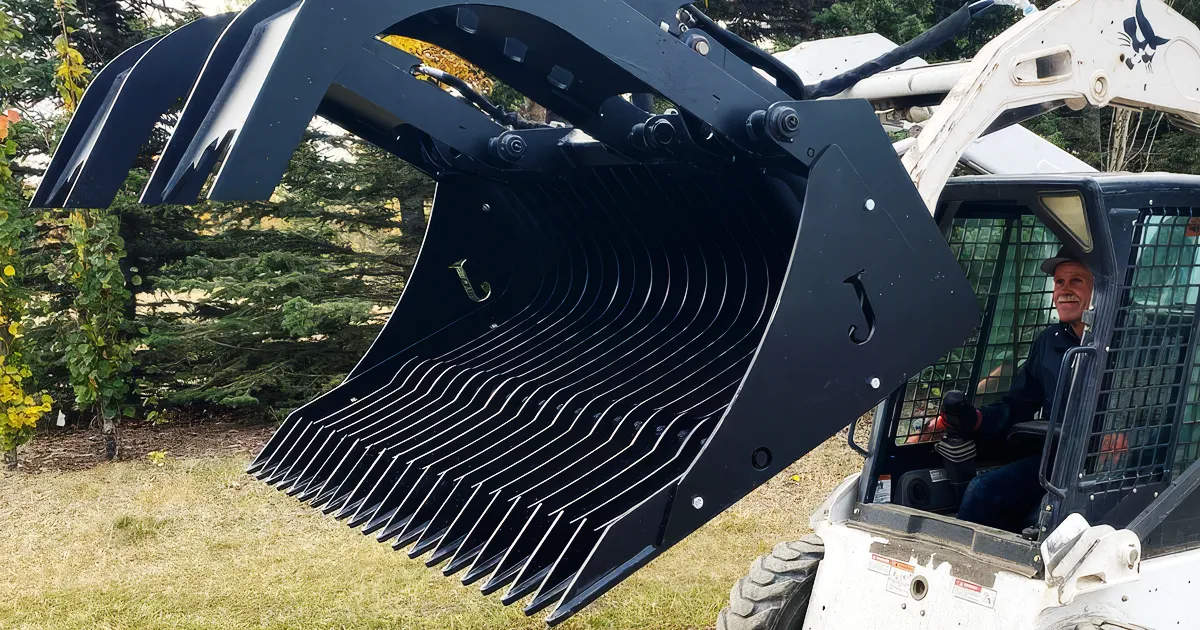
What Makes Jenkins Iron & Steel Attachments Different?
The wrong attachment will always cost you twice. Once when you buy it, and again when you replace it ahead of schedule or fix it mid-season when you can least afford the downtime.
That right there is a build quality problem.
» Read more about: What Makes Jenkins Iron & Steel Attachments Different? »
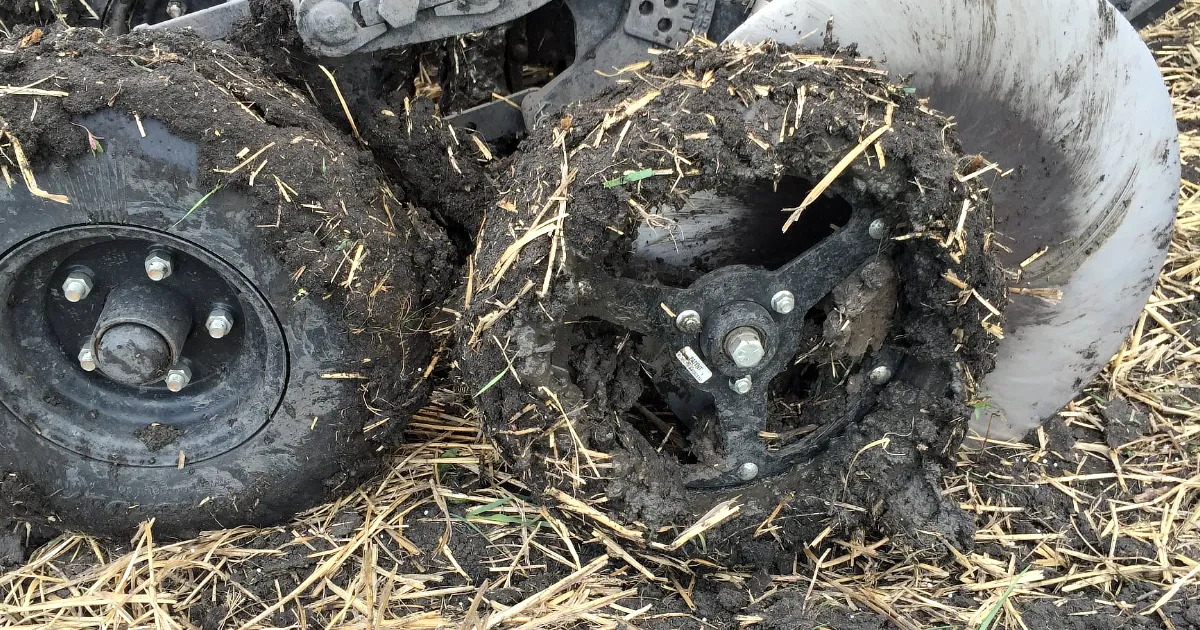
How to Prevent Plugging and Bouncing When Conditions Get Tough
Every planter works great in perfect conditions, but the real test is mud, residue, and uneven ground. That’s where plugging starts and where accuracy begins to fall apart.
» Read more about: How to Prevent Plugging and Bouncing When Conditions Get Tough »
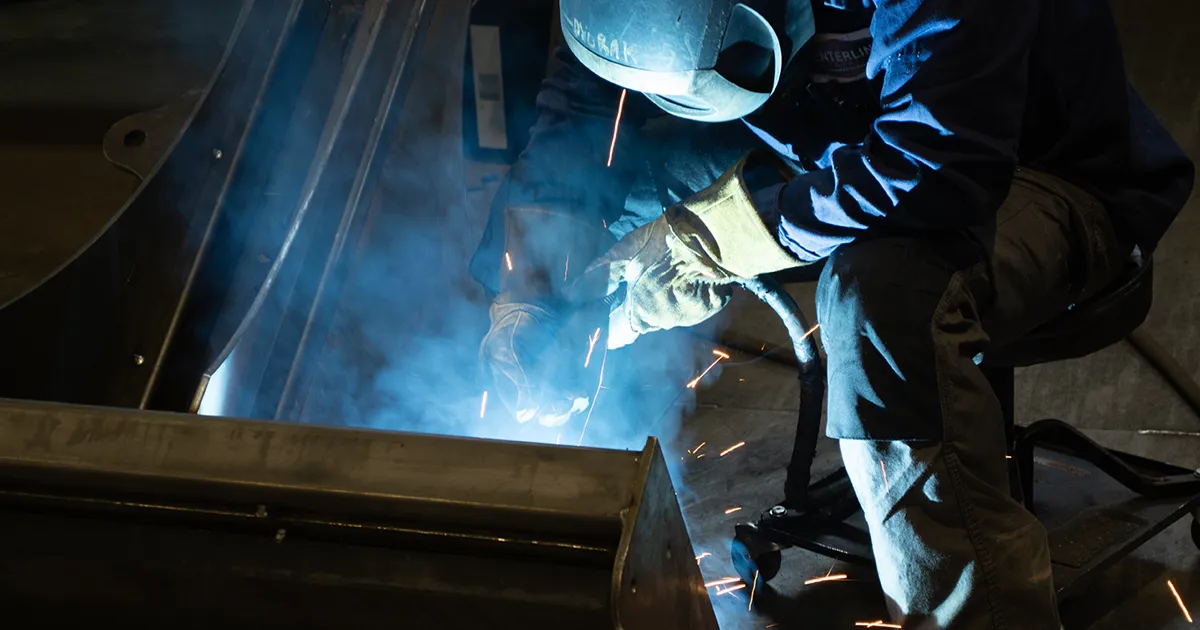
Why Steel Quality Matters in Skid Steer Attachments
Most skid steer attachments look tough when they’re brand new.
Fresh paint. Clean welds. Sharp edges.
But the real test does not happen in the yard. It happens after months of pushing gravel, tearing through frozen manure, moving brush piles, loading concrete chunks, backdragging material, or slamming into packed ground day after day.
» Read more about: Why Steel Quality Matters in Skid Steer Attachments »
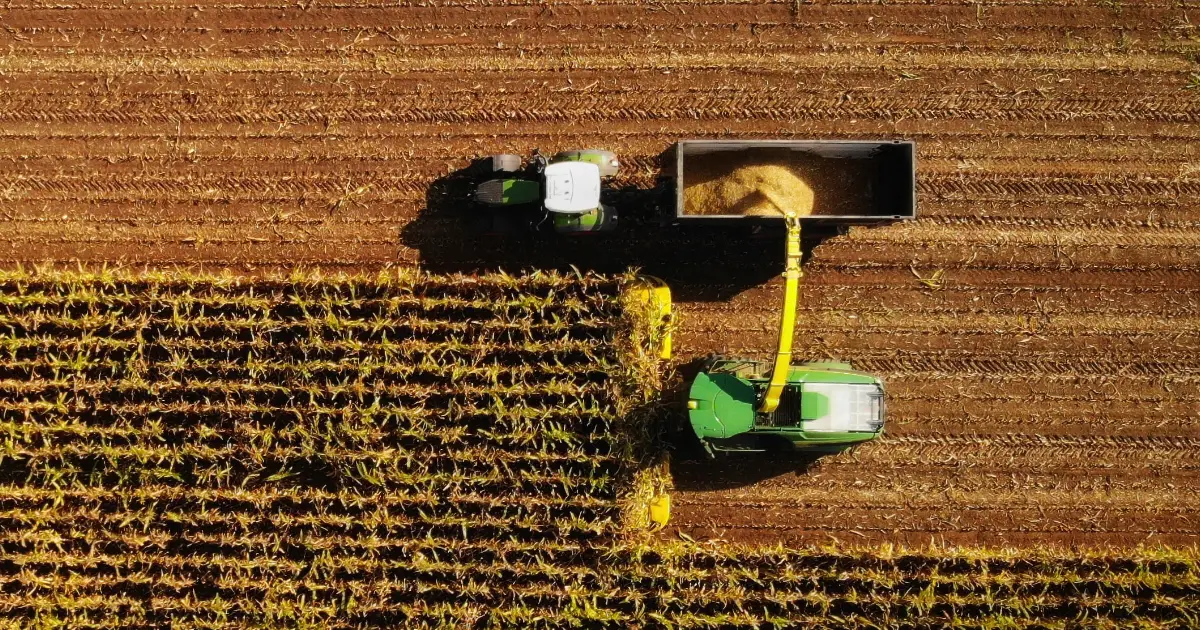
Canola Harvest Loss: Why Even Flow Matters More Than Guessing at Settings
Canola does not give you much room for error at harvest.
A small amount of loss can be hard to see from the cab, but across an entire field, it adds up quickly. That is what makes canola frustrating. You can be moving along, thinking the combine is doing a good job, while grain is steadily leaving the machine behind you.
» Read more about: Canola Harvest Loss: Why Even Flow Matters More Than Guessing at Settings »
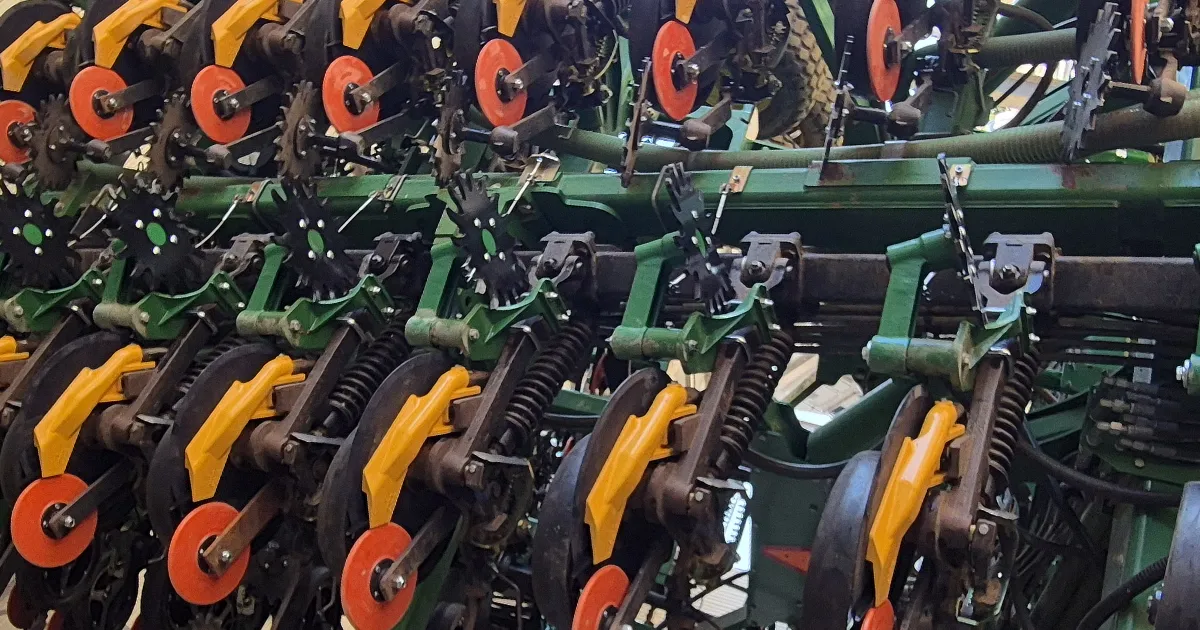
Are You Over-Packing Your Seedbed Without Realizing It?
Most farmers focus on seed depth, but what happens *after* the seed is placed matters just as much.
If your press wheels are over-packing the trench, you could be hurting emergence without even knowing it.
» Read more about: Are You Over-Packing Your Seedbed Without Realizing It? »
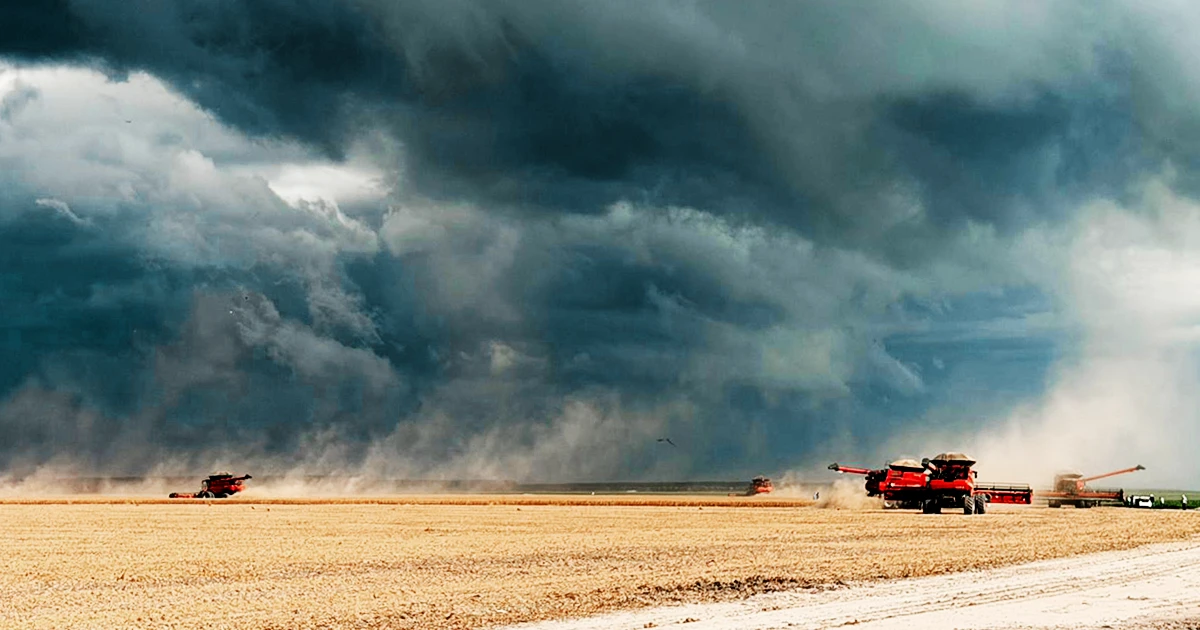
What Can Happen in One Year?
A year ago, Brazil wasn’t even part of the plan.
That still sounds crazy for me to say out loud considering how much it has changed my life, our company, and honestly the way I look at agriculture and opportunity.
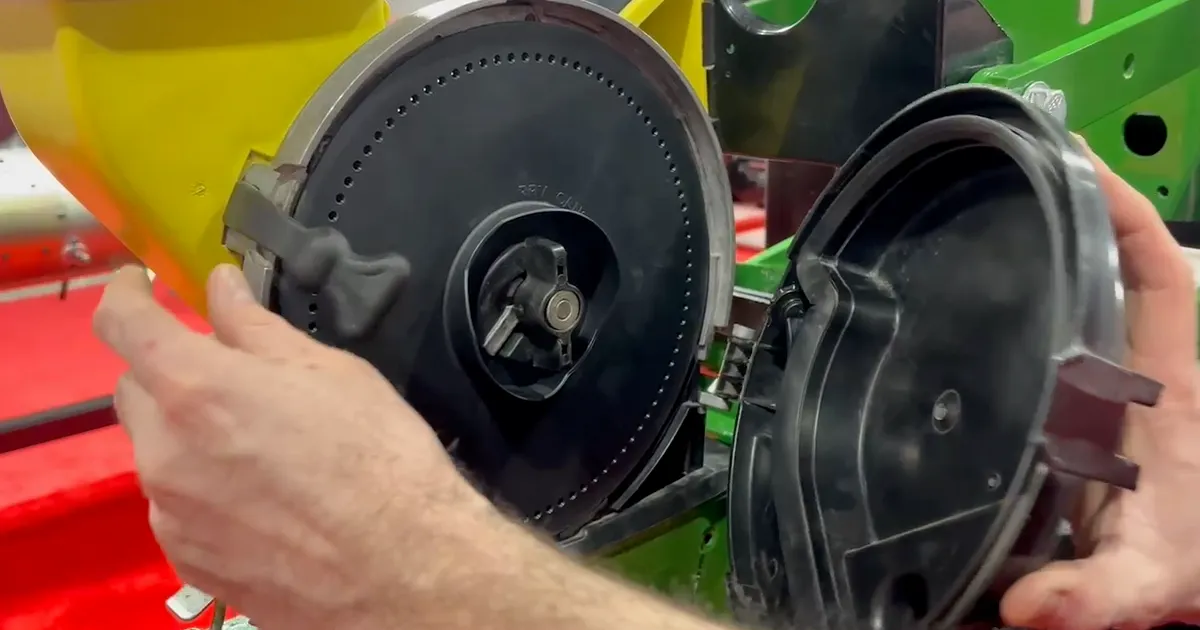
The Canola Disk Built Because “Good Enough” Was Costing Farmers Too Much
For years, planting canola with a row planter meant working around a problem farmers should not have had to accept.
Canola seed is small, expensive, and unforgiving. Every seed matters. But instead of using a disk designed specifically for canola, farmers were often forced to use sugar beet disks and make the best of it.
» Read more about: The Canola Disk Built Because “Good Enough” Was Costing Farmers Too Much »
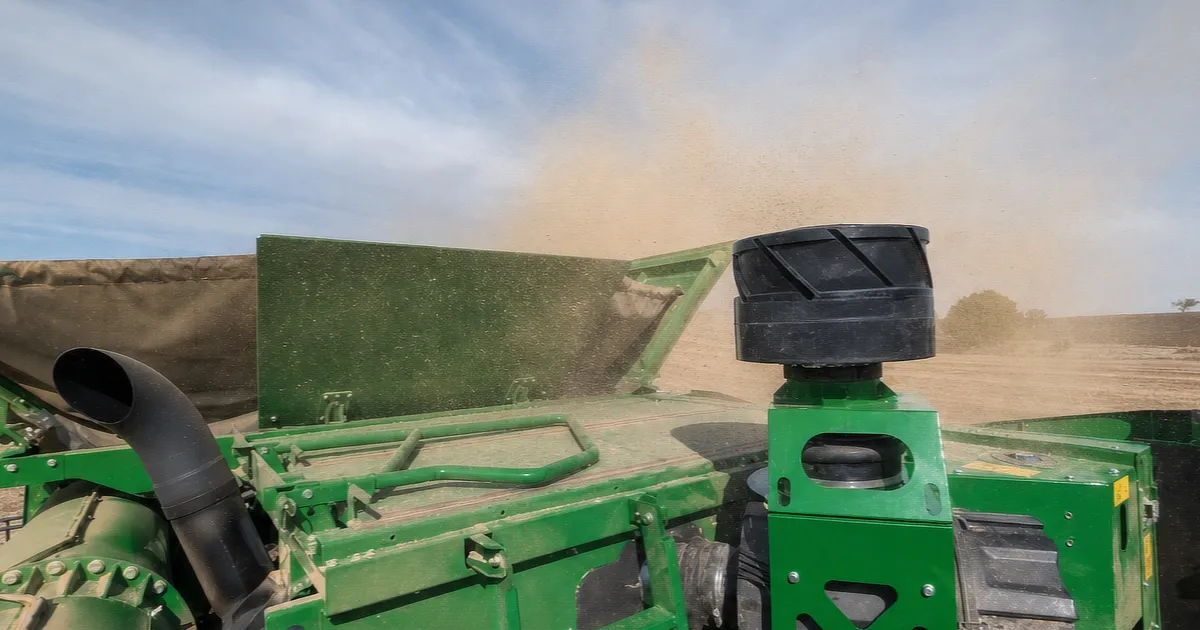
Pre Cleaner vs. Air Filter: What’s the Difference and Why It Matters
Search “pre cleaner” and you’ll see a lot of confusion.
Many operators assume an air filter and an engine air precleaner do the same job. They don’t. And understanding the difference can save you time, money, and downtime.
» Read more about: Pre Cleaner vs. Air Filter: What’s the Difference and Why It Matters »
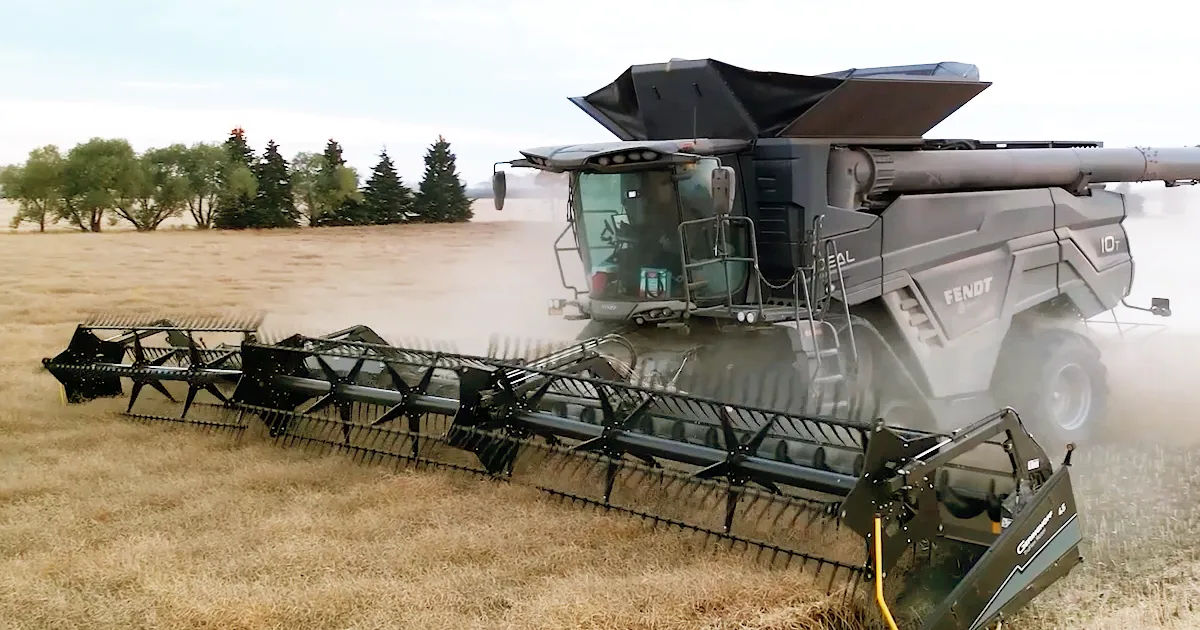
Razors Edge Concaves for Fendt Combines: Built for Better Flow and Separation
Most Fendt operators don’t start looking at concaves because they want something different.
They start looking because harvest gets frustrating.
Maybe the rotor starts loading up. Maybe the sample is not as clean as it should be. Maybe you are trying to open the machine up for more capacity, but loss starts climbing. Or maybe you are constantly adjusting settings just to keep the combine balanced as conditions change throughout the day.
» Read more about: Razors Edge Concaves for Fendt Combines: Built for Better Flow and Separation »
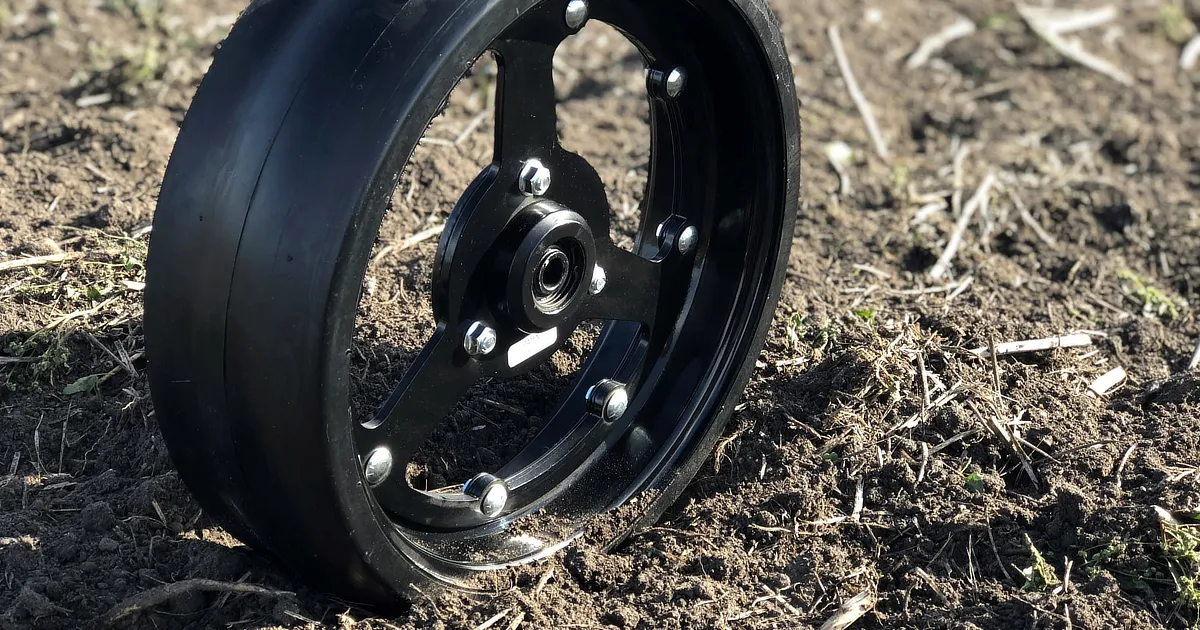
Stop Replacing Your Entire Gauge Wheel
Gauge wheels take a beating during planting season.
They run through mud, residue, rough ground, abrasive soil, and long days in the field. Over time, parts wear. Sometimes something cracks. Sometimes a bearing goes. Sometimes the rubber is simply worn out.
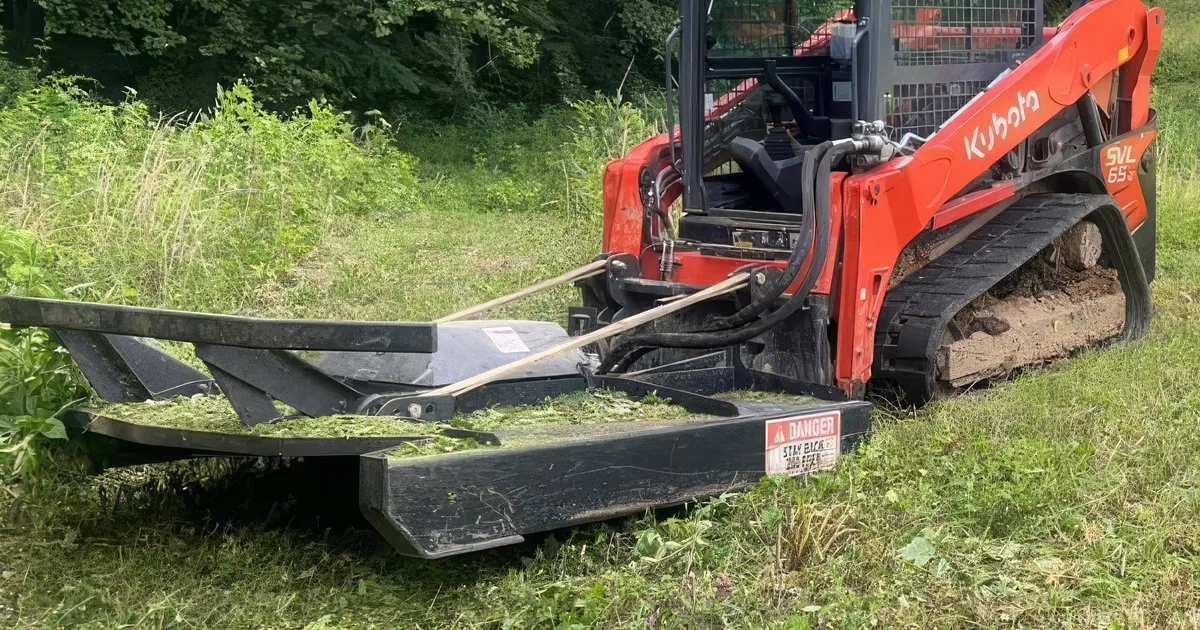
Direct Drive and Standard Drive Mowers: Understanding the Difference
Heavy brush, uneven ground, and long days in the field will show you pretty quickly whether your mower is built for the job.
When you are clearing pasture edges, ditches, fence lines, trails, or overgrown acres, power matters. But so does choosing the right mower setup for the way you work.
» Read more about: Direct Drive and Standard Drive Mowers: Understanding the Difference »
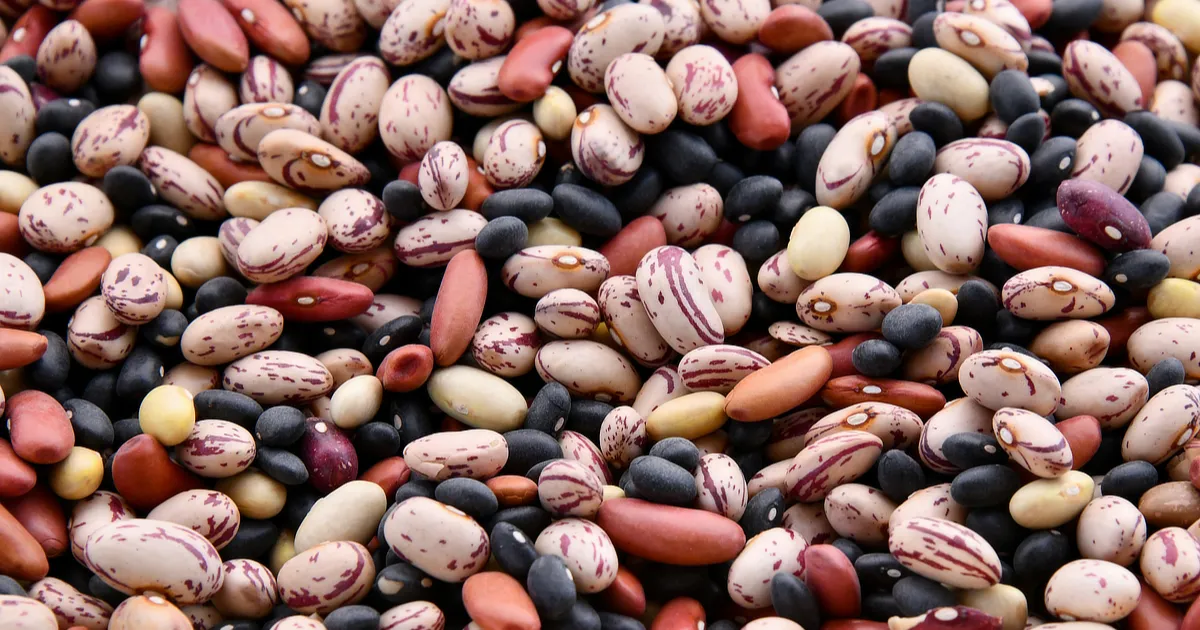
Reducing Cracking and Damage in Edible Beans
Edible beans are one of those crops where the combine has to be set with care.
Push too hard, and it shows up in the sample as cracked seed coats, splits, and dockage. Back off too much, and you risk unthreshed pods, grain left in the rotor, or loss out the back of the machine.
» Read more about: Reducing Cracking and Damage in Edible Beans »
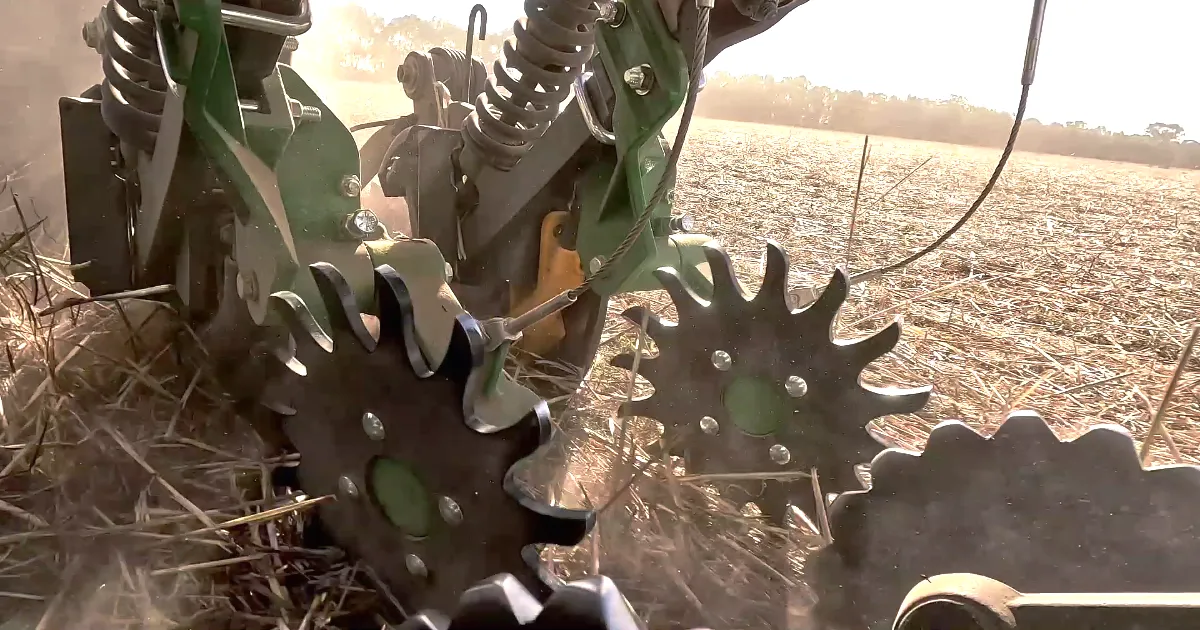
When farmers ask what size of farm needs an Aricks Residue Manager, the answer is not as simple as acres.
A 10,000-acre farm can benefit from the Residue Manager because every hour of seeding efficiency matters. But a 1,500-acre farm dealing with heavy straw, wet residue, or inconsistent seed placement may see just as much value.
» Read more about: What Farm Size Benefits Most From the Aricks Residue Manager? »
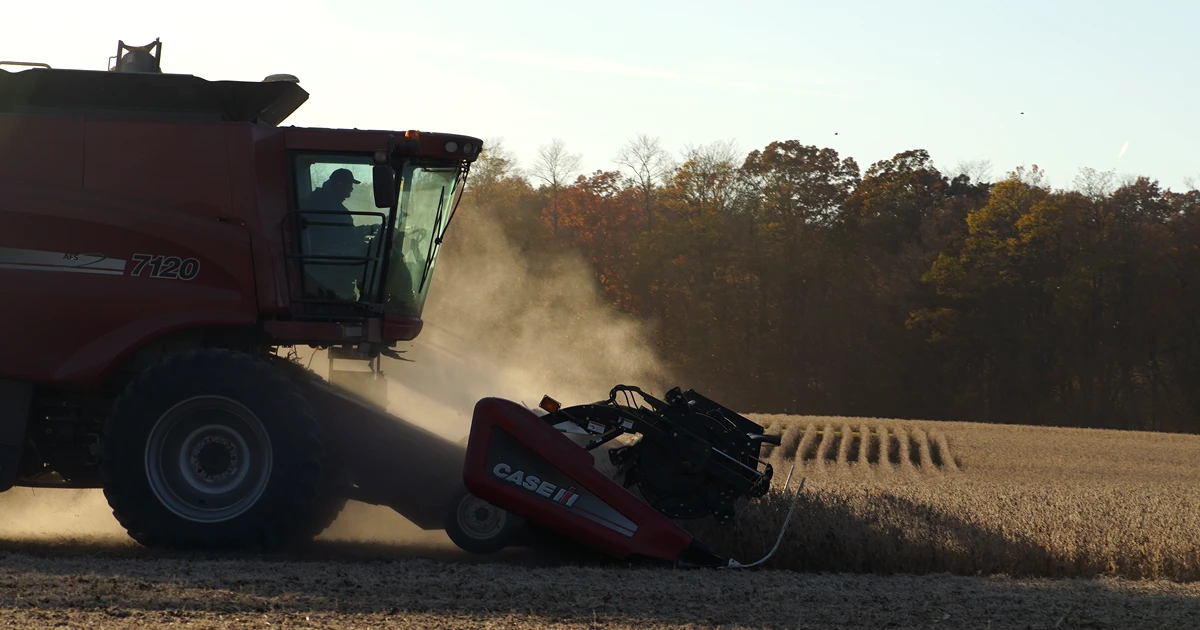
Case IH Flagship Concaves: How to Reduce Rotor Loss
If you’re running Case, rotor loss is one of the most expensive problems you’ll face at harvest. The frustrating part? It’s happening inside the machine where you can’t see it.
And more often than not, it’s not because the crop isn’t threshed. It’s because it didn’t separate and unload in time.
» Read more about: Case IH Flagship Concaves: How to Reduce Rotor Loss »
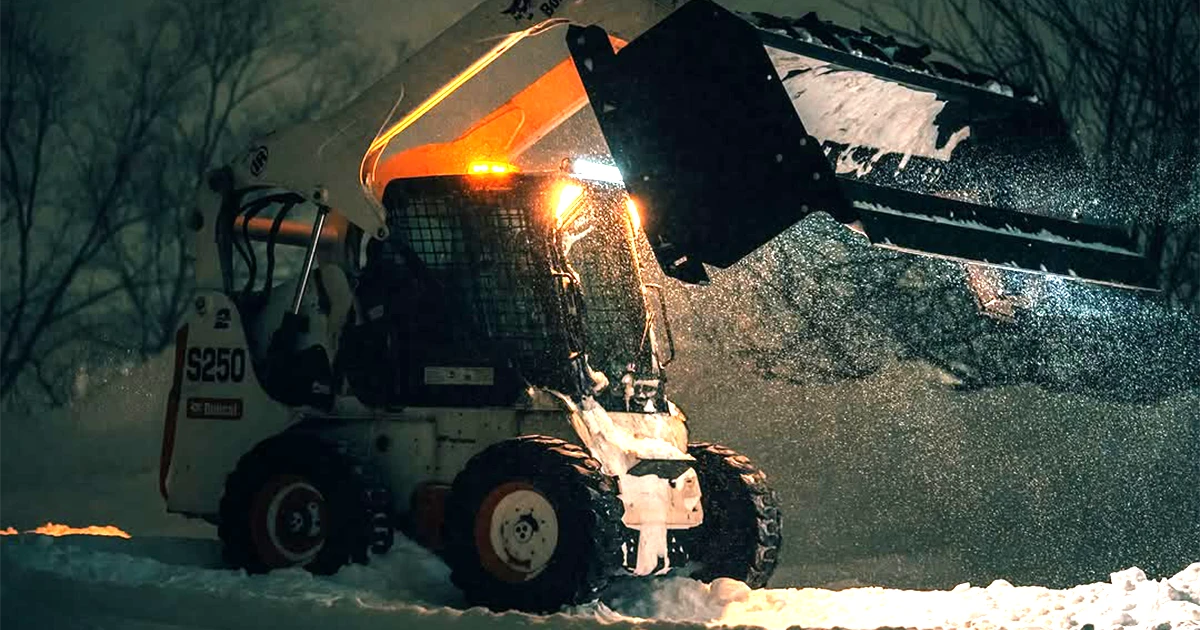
Built for Real Winter: What Sets Jenkins Snow Pushers Apart
Not all snow pushers are built the same. Bent edges, worn-out cutting surfaces, and cracked welds cost time, money, and lost productivity.
When you’re clearing snow day after day, build quality matters.
» Read more about: Built for Real Winter: What Sets Jenkins Snow Pushers Apart »
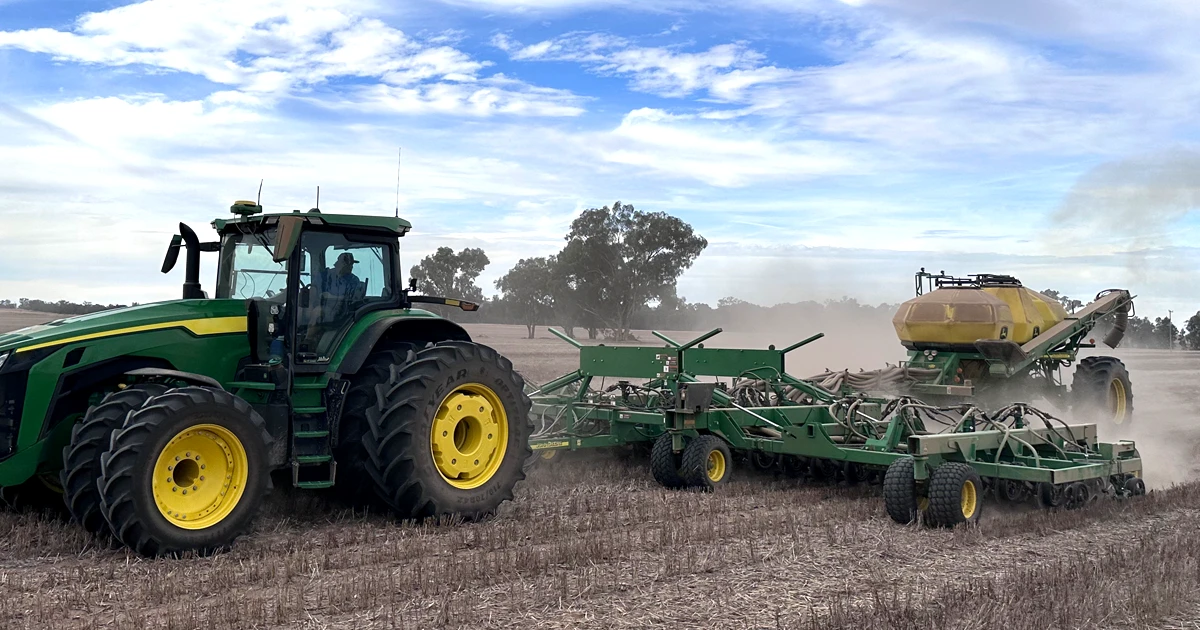
No-till farming has come a long way but one challenge hasn’t changed: managing residue without hurting seed placement. Heavy crop residue can tie up moisture, cause hair-pinning, and lead to uneven emergence if it’s not handled properly.
The future of no-till isn’t about removing residue. It’s about managing it better.
» Read more about: The Future of No-Till Farming: Innovations in Residue Management »
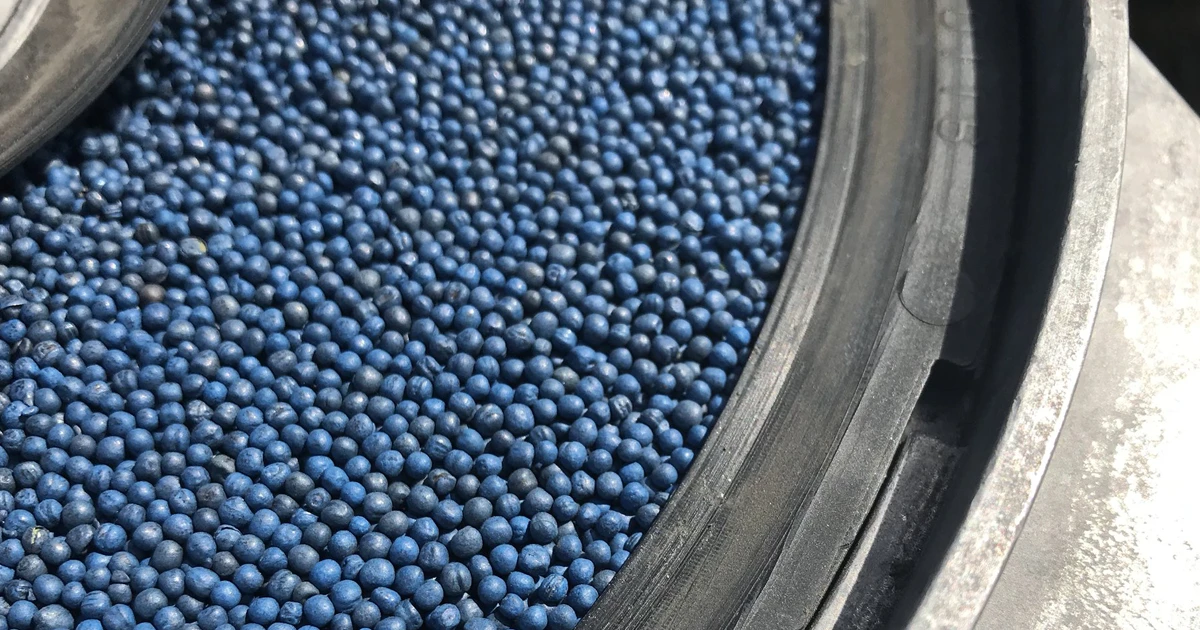
Stop Wasting Seed! How the RRV Seed Disk Prevents Leaks and Saves You Money
Seed is expensive and every one that doesn’t make it into the ground properly is money lost. While most farmers focus on spacing and depth, there’s another problem quietly costing you: seed meter leaks.
» Read more about: Stop Wasting Seed! How the RRV Seed Disk Prevents Leaks and Saves You Money »
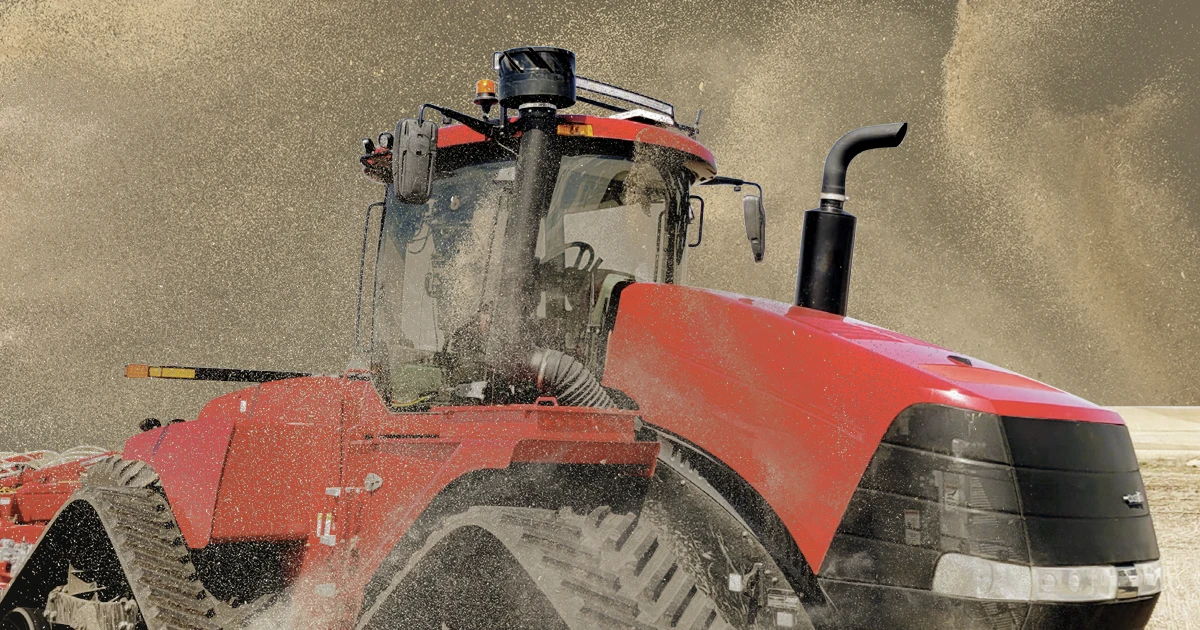
What Is Dust Really Costing You?
Dust is part of the job. But what it does to your equipment over a season is where the real cost starts to show.
Plugged air filters restrict airflow, reduce engine performance, and increase fuel consumption. Most operators know that. What’s easier to overlook is how much time gets lost dealing with it.

The Importance of Creativity and Innovation

World Creativity and Innovation Day (WCID) is a United Nations International Day of Observation that was created to empower people to use new ideas, take unique approaches, and make the world a better place.
» Read more about: The Importance of Creativity and Innovation »
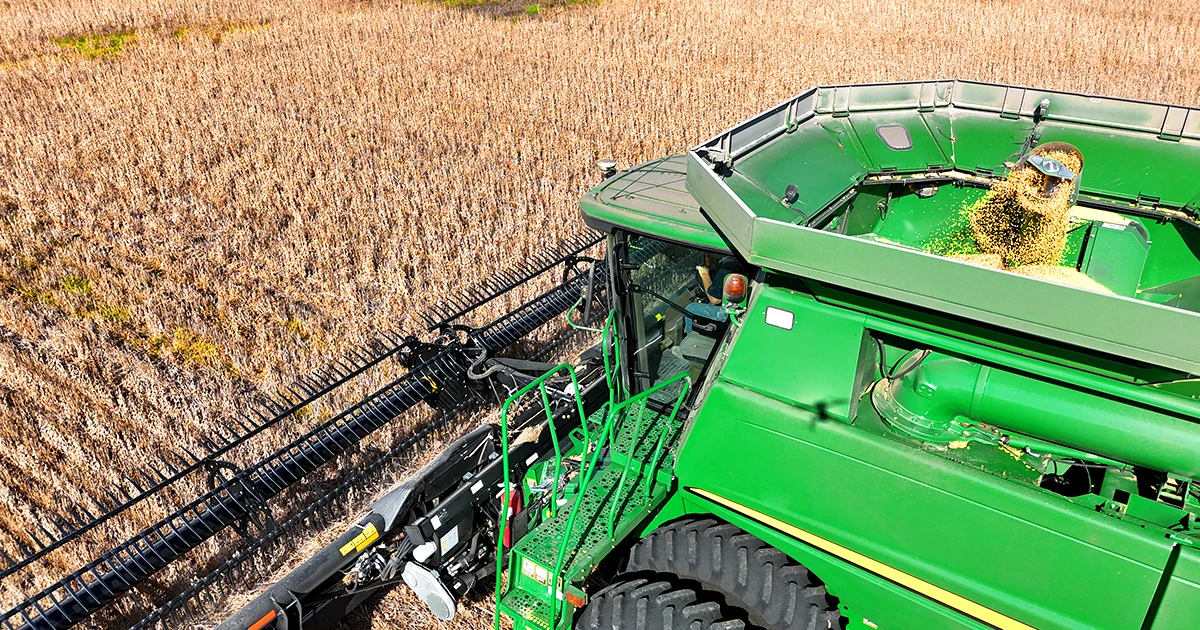
Concaves for John Deere Combines: What Are Your Options?
When it comes to getting the most out of your combine, concaves play a bigger role than most farmers realize. If you’re running John Deere, the right setup can mean the difference between clean threshing and grain left in the field.
» Read more about: Concaves for John Deere Combines: What Are Your Options? »
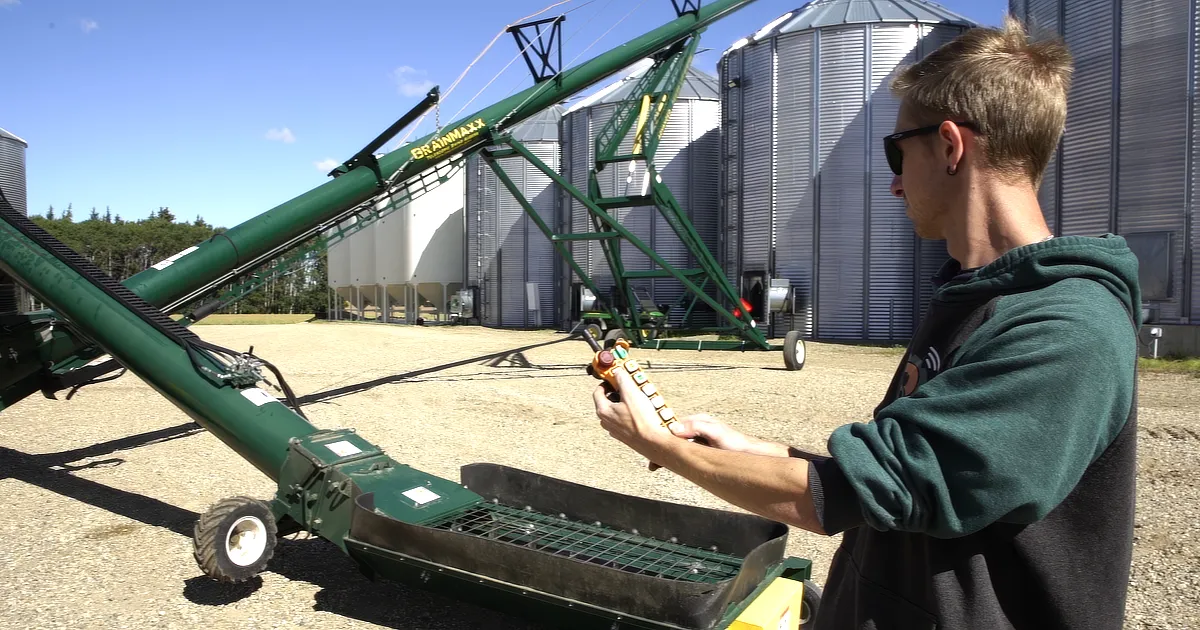
What Is Wireless Tractor Control and How Does It Work?
If you’ve ever spent a day augering or bagging grain, you know this routine: climb in the cab, start the tractor, engage the PTO, climb back down, check the operation… and repeat. It adds up fast. That’s where RcFarmArm wireless tractor control comes in.
» Read more about: What Is Wireless Tractor Control and How Does It Work? »
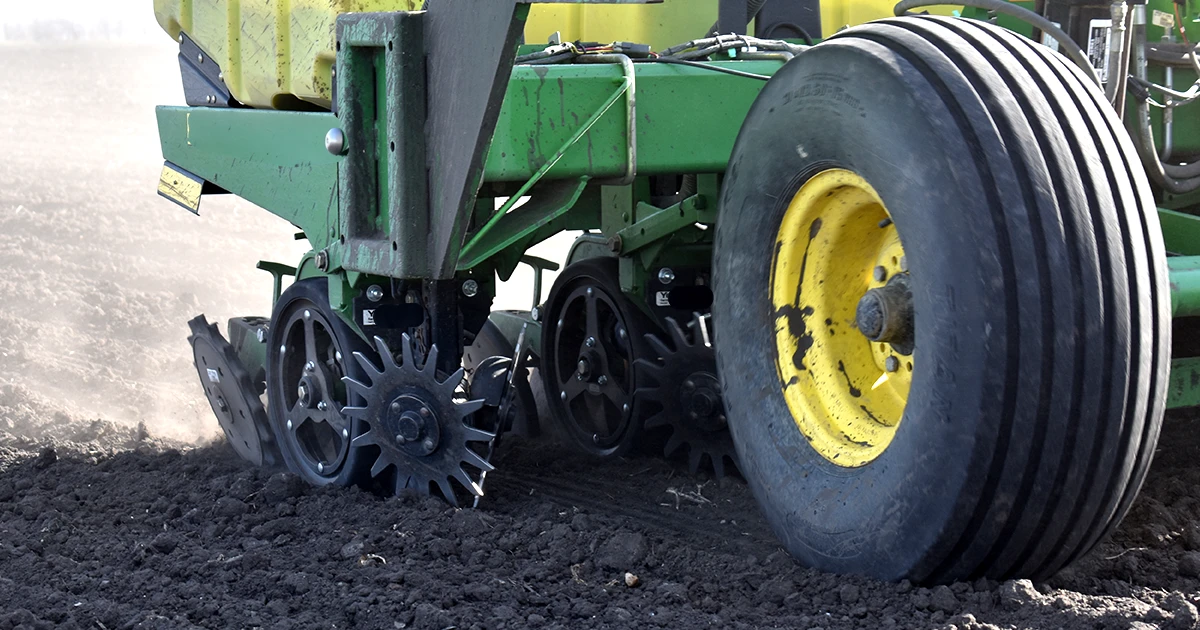
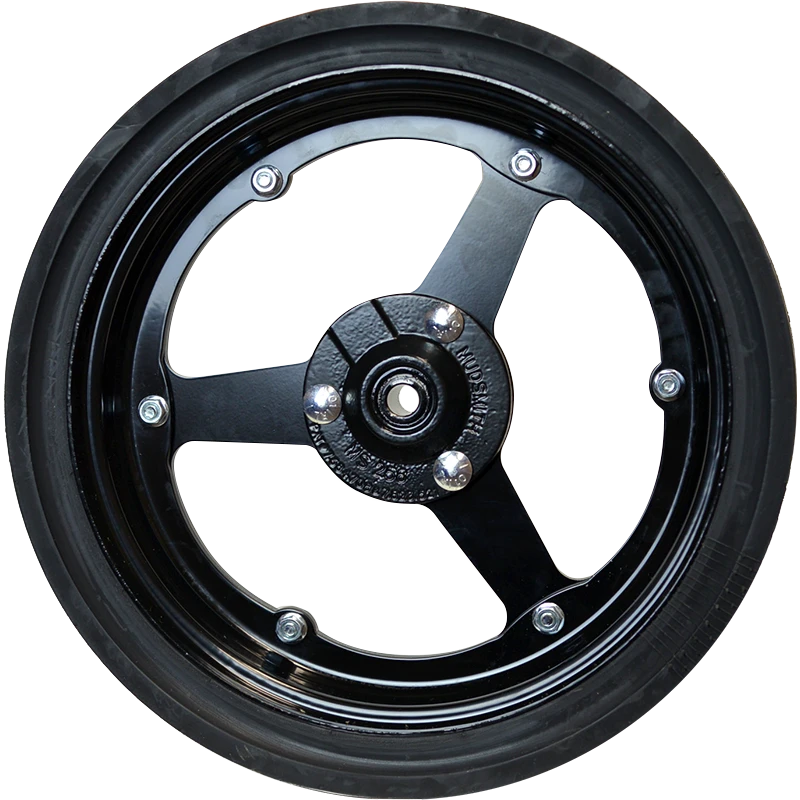
Upgrade Your Planting Setup: Why More Farmers Are Switching to MudSmith
If you’ve ever had to stop mid-pass to scrape mud out of your gauge wheels, you already know the pain. Plugging throws off seed depth and turns a tight planting window into a brutal race.
That’s why farmers are switching to MudSmith: it keeps you moving when conditions aren’t perfect.
» Read more about: Upgrade Your Planting Setup: Why More Farmers Are Switching to MudSmith »
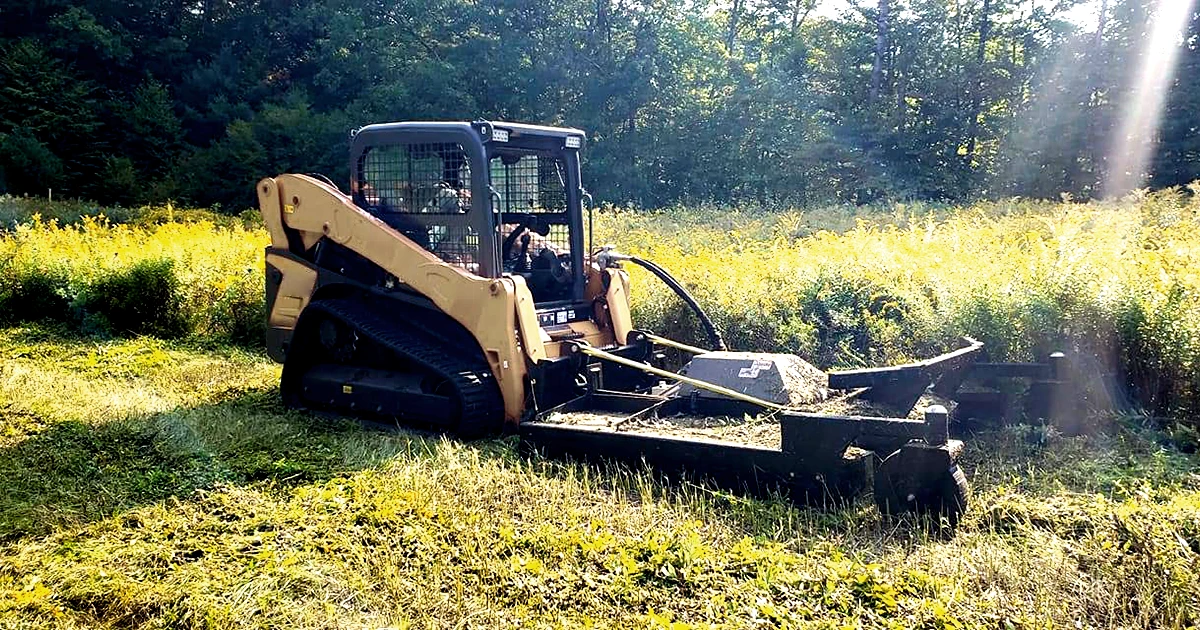
Built for the Tough Jobs: Inside the Jenkins Super Duty Direct Drive Mower
When you’re tackling thick brush or overgrown fence lines, not all mowers are built to handle the job. That’s where the Jenkins Iron & Steel Super Duty Direct Drive Mower stands out. It’s a purpose-built attachment designed for serious clearing, not light-duty trimming.
» Read more about: Built for the Tough Jobs: Inside the Jenkins Super Duty Direct Drive Mower »
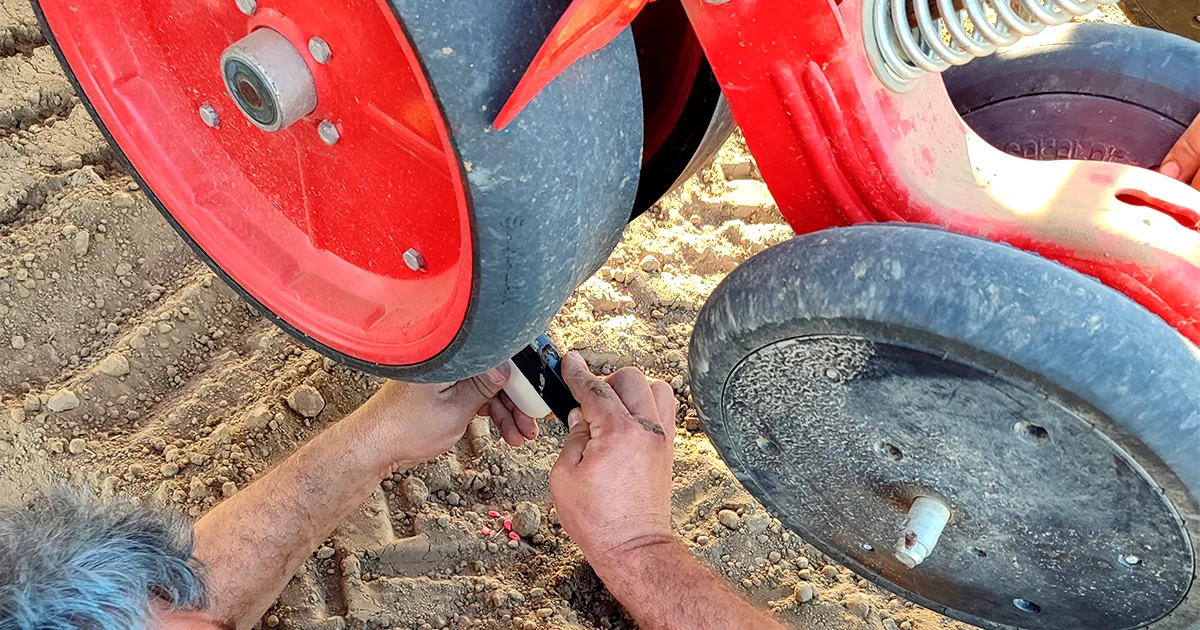
How Seed Firmers Affect Germination and Yield – The Science Behind It
Planting is about precision. If your seed isn’t sitting exactly where it should be, with firm contact to moisture, you could be giving up yield before the crop even emerges.
» Read more about: How Seed Firmers Affect Germination and Yield – The Science Behind It »
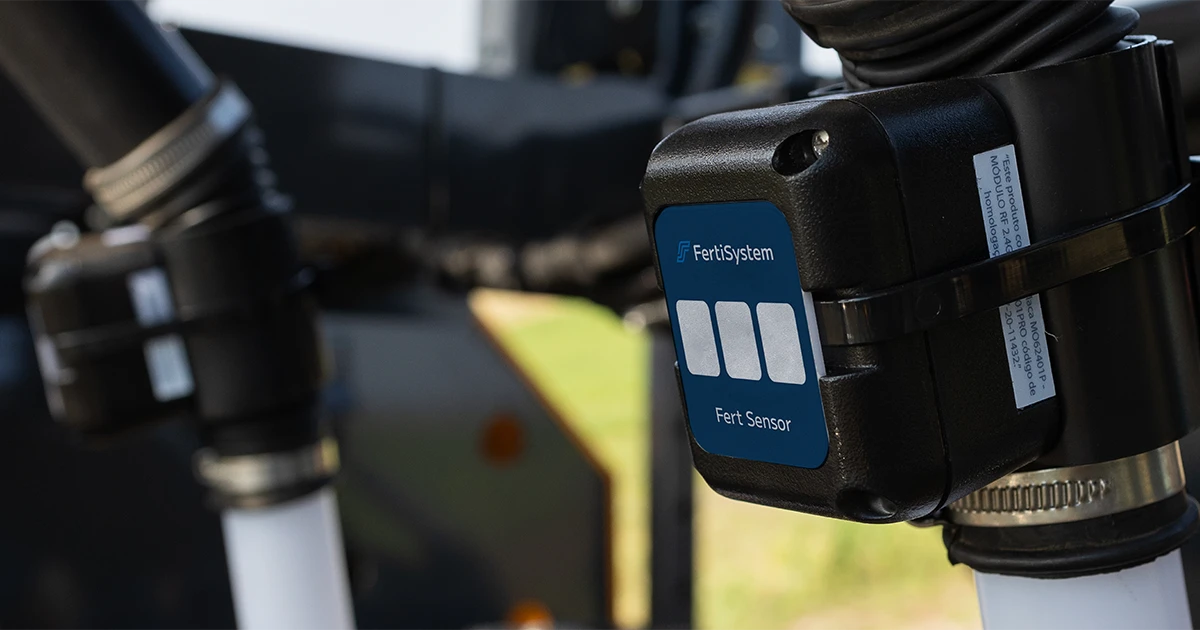
Boost Your ROI with the Right Fertilizer Placement System
When it comes to fertilizer application, efficiency is about placing it accurately, consistently, and without waste. Traditional fertilizer systems often rely on guesswork and post-season evaluation, which can quietly eat away at your return on investment.
» Read more about: Boost Your ROI with the Right Fertilizer Placement System »
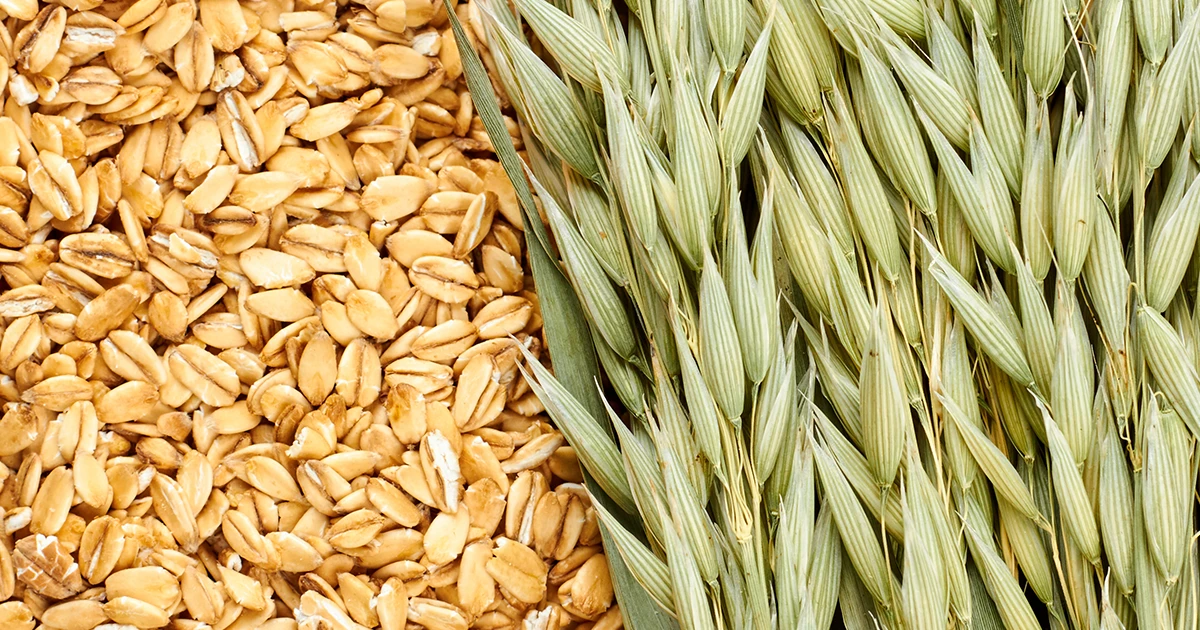
Keeping Lightweight Oats from Blowing Out the Back
Oats can be one of the trickiest crops to dial in at harvest. Unlike heavier grains, oats are light, fluffy, and far more prone to being carried out the back of the combine during separation. What looks like clean straw can often be hiding real yield loss when airflow, rotor speed, and threshing efficiency aren’t working together.
The challenge isn’t just oat harvest grain loss, it’s controlling them.
» Read more about: Keeping Lightweight Oats from Blowing Out the Back »
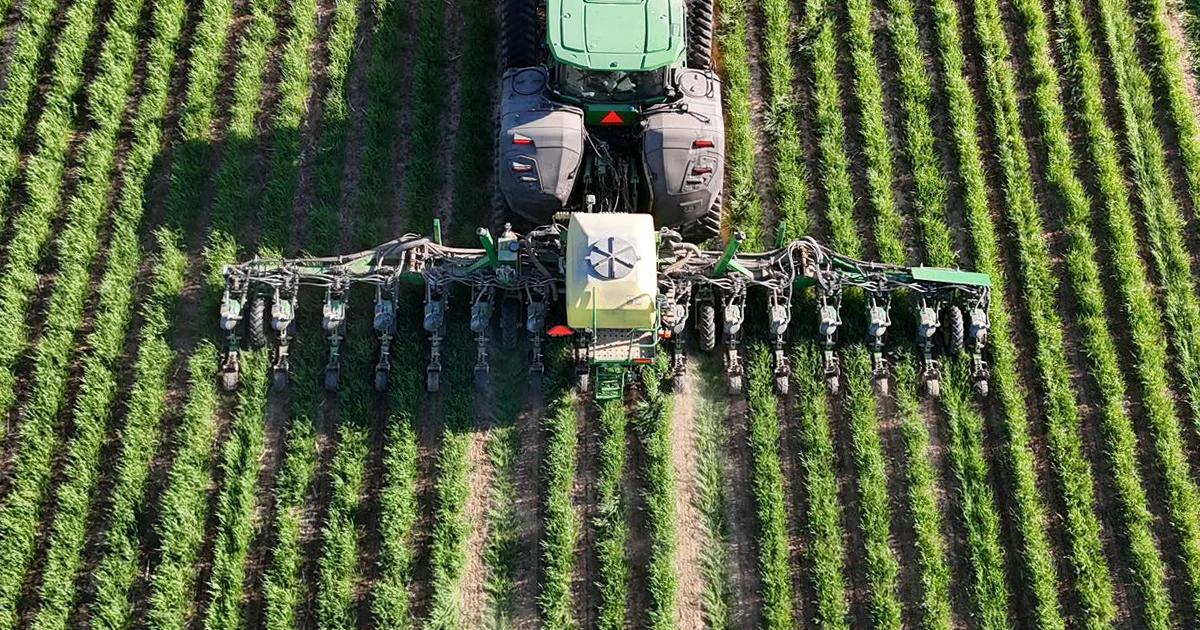
Why Closing Wheel Design Matters More Than You Think?
A lot of planting conversations focus on what happens at the front of the row unit: openers, downforce, seed delivery, row cleaners.
But what happens at the back can have just as much impact on how the crop gets started.
» Read more about: Why Closing Wheel Design Matters More Than You Think? »
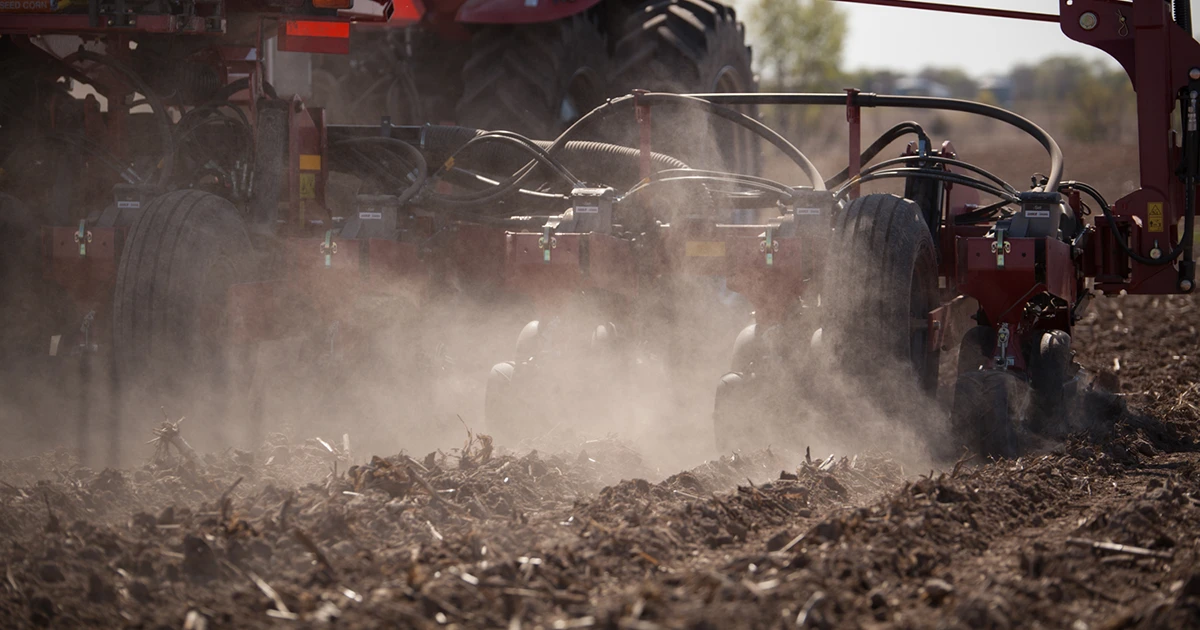
Does a Cast Closing Wheel Help Reduce Row Unit Bounce?
When growers think about row unit bounce, they usually think about speed, field roughness, downforce, row cleaner setup and gauge wheel contact. But the closing system can also play a role in how consistently the row unit performs through changing field conditions.
That raises a fair question: Does a cast closing wheel help reduce row unit bounce?
» Read more about: Does a Cast Closing Wheel Help Reduce Row Unit Bounce? »
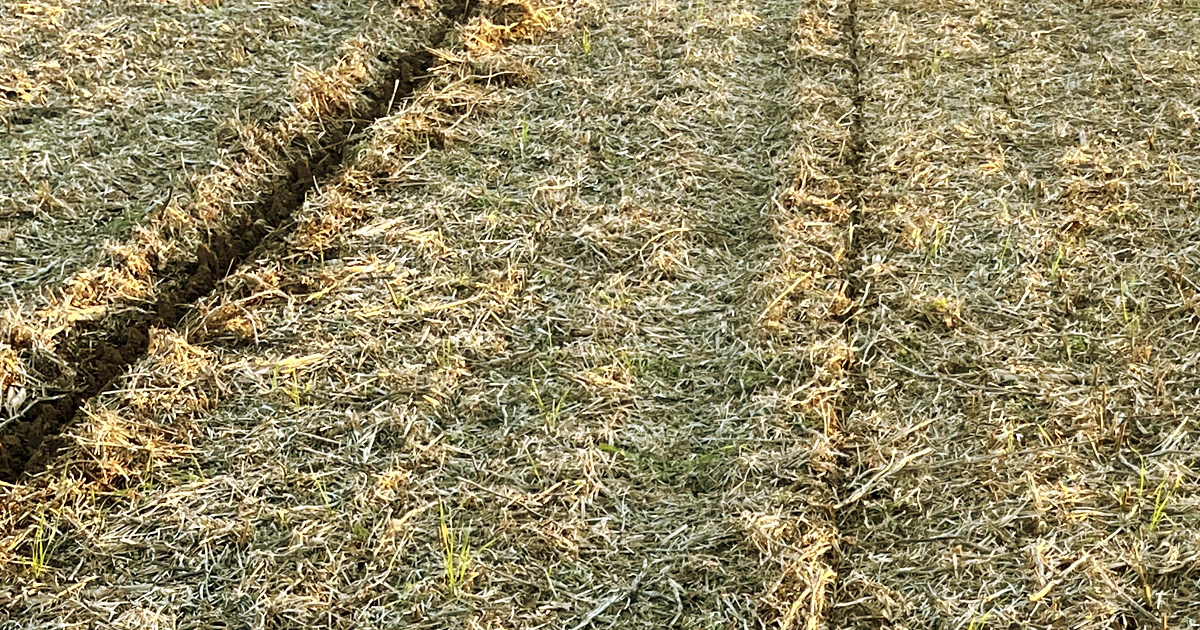
How the fCrusher Helps With Sidewall Compaction
Sidewall compaction is one of those planting problems that can quietly affect performance without always being obvious from the cab.
The trench may look closed from the surface, but underneath, the sidewall can still be tight, smooth, and difficult for roots to push through.
» Read more about: How the fCrusher Helps With Sidewall Compaction »

Want Better Emergence? Start at the Furrow
When growers talk about emergence, the conversation usually turns to weather, soil temperature, moisture and seed placement. And all of those matter. But one thing that often gets overlooked is what happens after the seed is placed.
» Read more about: Want Better Emergence? Start at the Furrow »
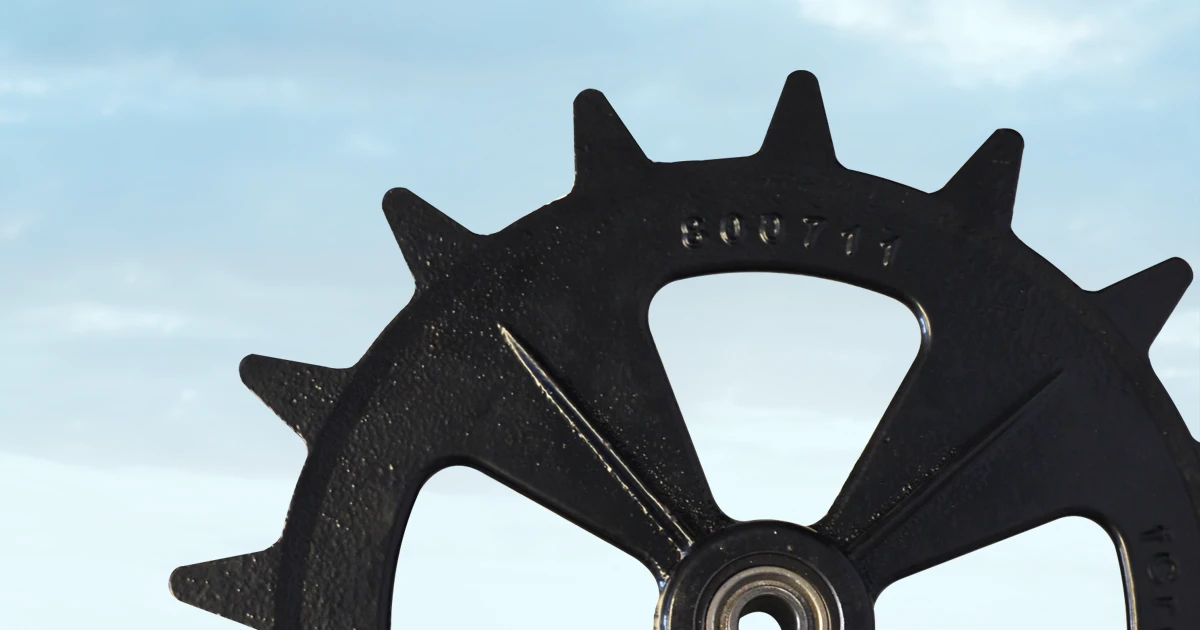
Why Use a Spiked Closing Wheel?
Planting success starts with what happens in the furrow.
And while seed depth, downforce, and residue management all get a lot of attention, one part of the planter often gets overlooked: the closing wheel.
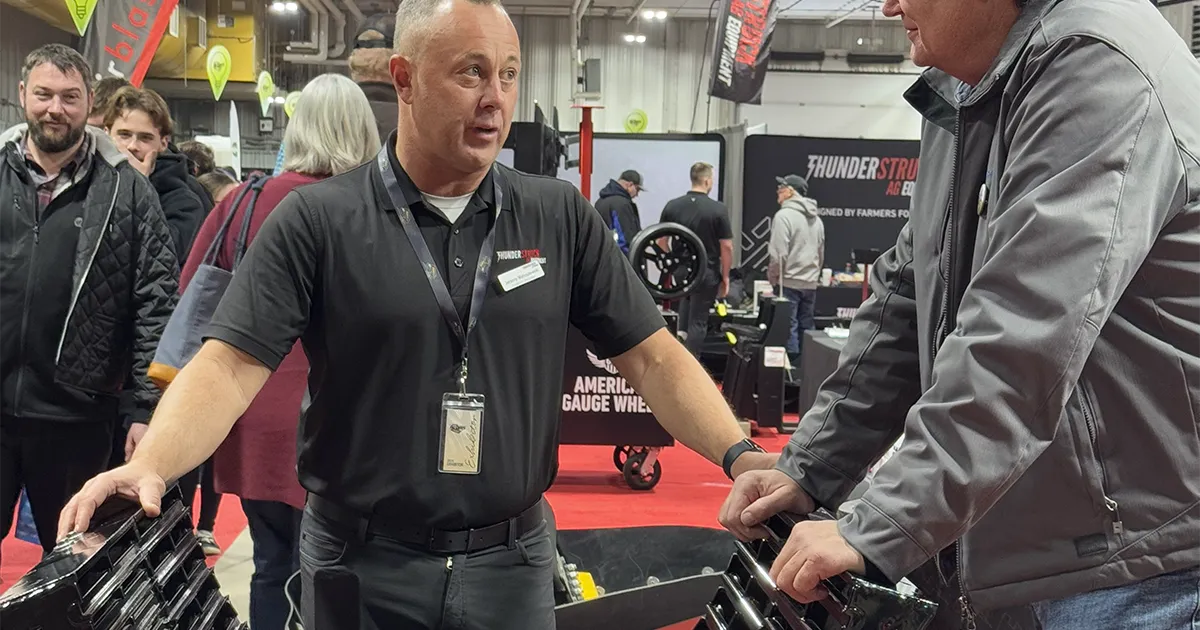
Focus on the Controllables
If there’s one thing that’s clear right now, it’s this: farming has never been easy, but today, it feels especially uncertain.
Across North America, Brazil, Australia and beyond, farmers are navigating a storm of variables they simply cannot control. Fuel prices fluctuate without warning. Commodity markets move up and down in ways that are hard to predict. Fertilizer costs continue to rise, putting pressure on margins that are already tight. In Australia some farmers can’t access the fuel needed to put a crop in the ground.
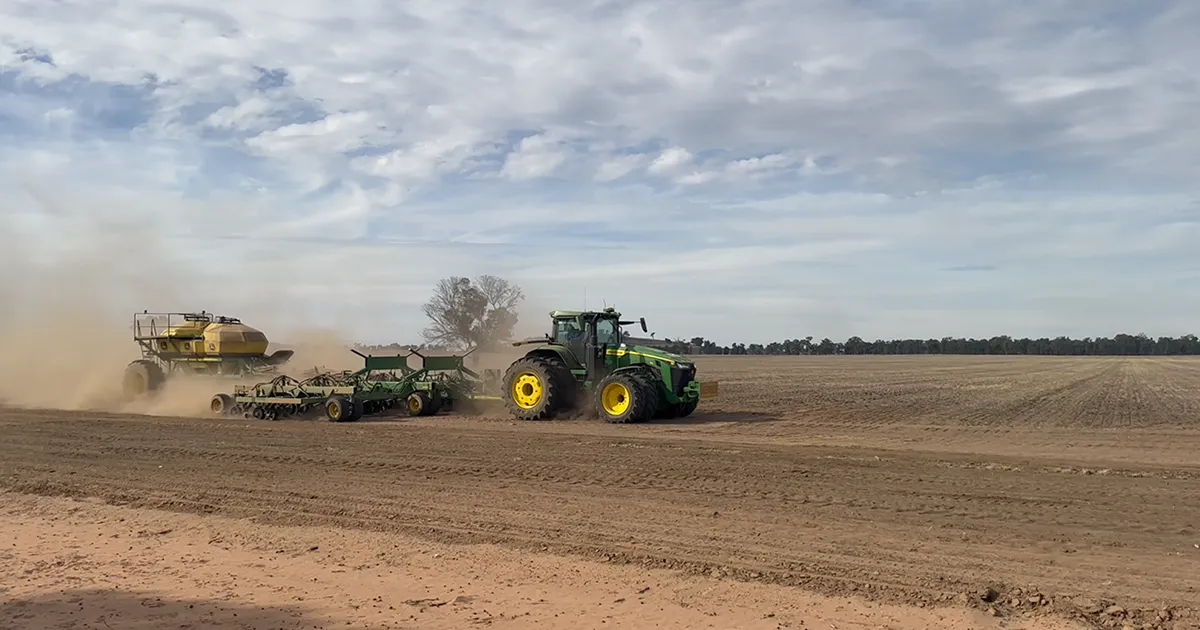
How to Cut Rebuild Time in Half on Your Air Seeder
When seeding windows are tight, every hour in the shop matters. But for many operators, rebuilding an air seeder turns into a frustrating process of seized bolts, worn components, and parts that just don’t go back together the way they should.
It’s not just bad luck. It’s the result of wear points that weren’t built to last.
» Read more about: What’s Slowing Down Your Air Seeder Rebuild? »
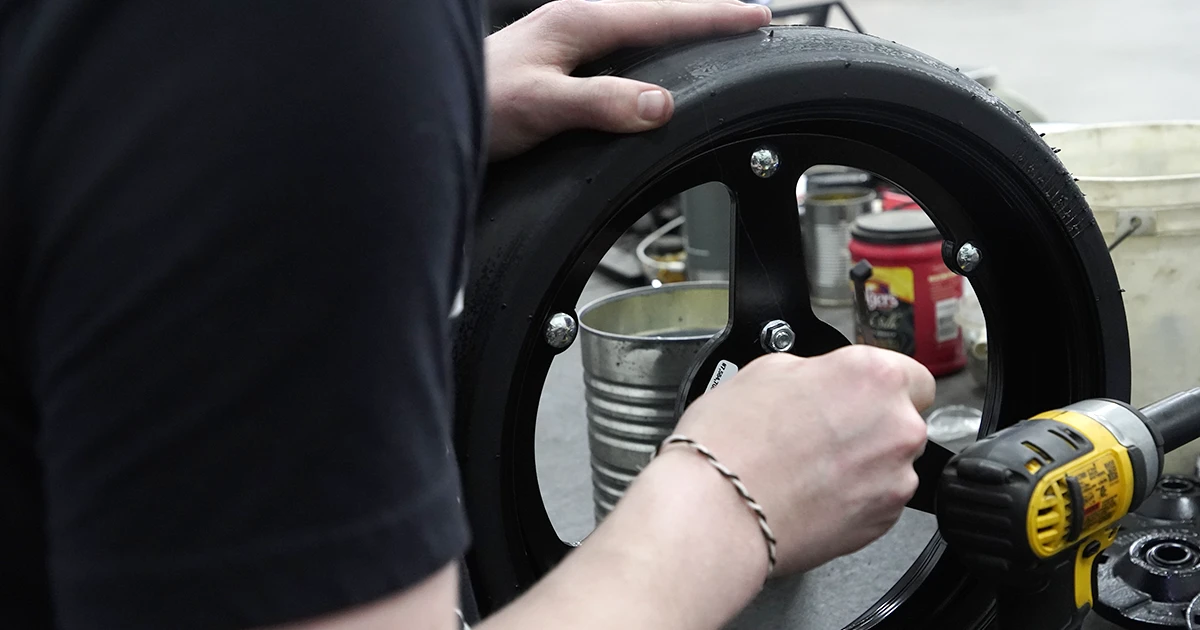
The Science Behind Seed Depth: How Gauge Wheels Impact Germination
When it comes to crop establishment, few factors are as overlooked as seed depth. Even small inconsistencies can lead to uneven emergence, delayed growth, and ultimately reduced yields. While many growers focus on seed genetics or fertilizer programs, the reality is that consistent seed placement starts with one key component on your planter: the gauge wheel.
» Read more about: The Science Behind Seed Depth: How Gauge Wheels Impact Germination »
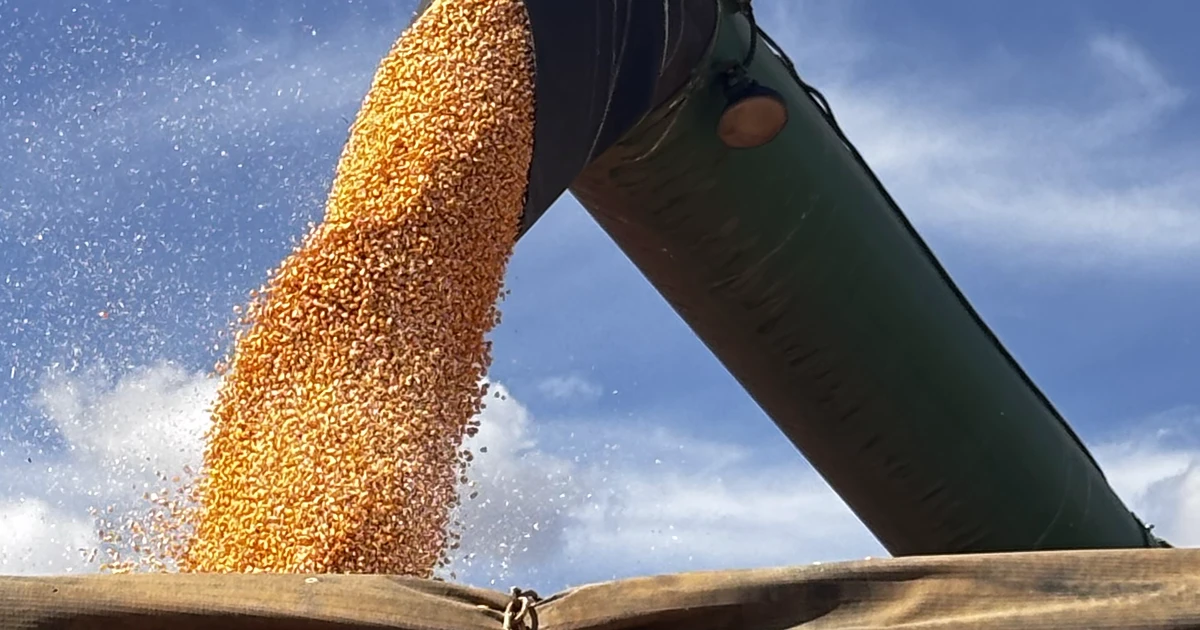
High-Moisture Corn? No Problem with Proper Threshing
Harvesting high-moisture corn can test even the most experienced operators. Tougher kernels, sticky cobs, and inconsistent flow through the rotor all combine to create one frustrating reality: constant adjustments. Open the concaves, close them back up, tweak rotor speed, adjust again. It’s time-consuming and can cost you grain.
» Read more about: High-Moisture Corn? No Problem with Proper Threshing »
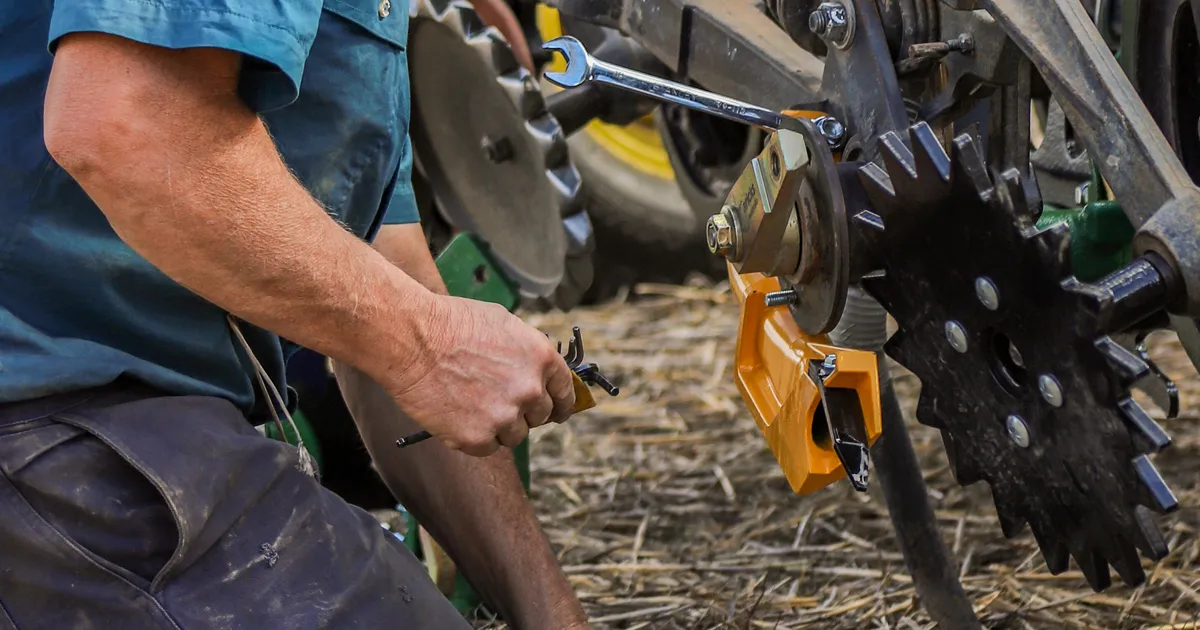
When it comes to drill maintenance, most farmers know the basics: grease regularly, check wear parts, and keep things tight. But some of the most common “shortcuts” or assumptions about maintenance can quietly cost you yield, time, and money over the long run.
Let’s break down a few of the biggest myths and where your effort actually pays off.
» Read more about: Drill Maintenance Myths – What’s Actually Worth Your Time »

Thunderstruck Ag Named to Fast Company’s Annual List of the World’s Most Innovative Companies of 2026

WINKLER, Manitoba–(BUSINESS WIRE)–Thunderstruck Ag is proud to have been named to Fast Company’s prestigious list of the World’s Most Innovative Companies of 2026. This year’s list shines a spotlight on businesses that are shaping industry and culture through their innovations. Alongside the World’s 50 Most Innovative Companies, Fast Company recognizes 720 honorees across 59 sectors and regions.
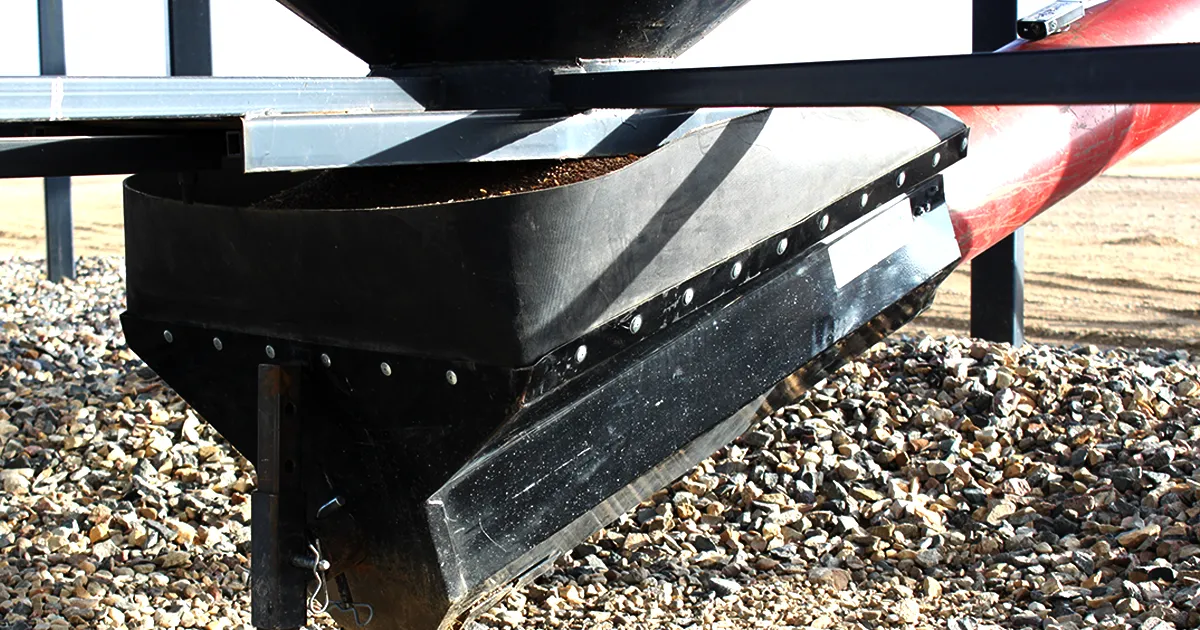
Zero Waste, Maximum Efficiency: How the The Hopper Redefines Grain Handling
Every farmer knows the frustration of watching valuable grain spill onto the ground during unloading. Whether it’s wind catching the stream or gaps between your auger and bin, even small losses add up quickly over a season. That’s where The Hopper steps in. The Hopper is designed to eliminate waste, improve efficiency, and make grain handling simpler from start to finish.
» Read more about: Zero Waste, Maximum Efficiency: How the The Hopper Redefines Grain Handling »
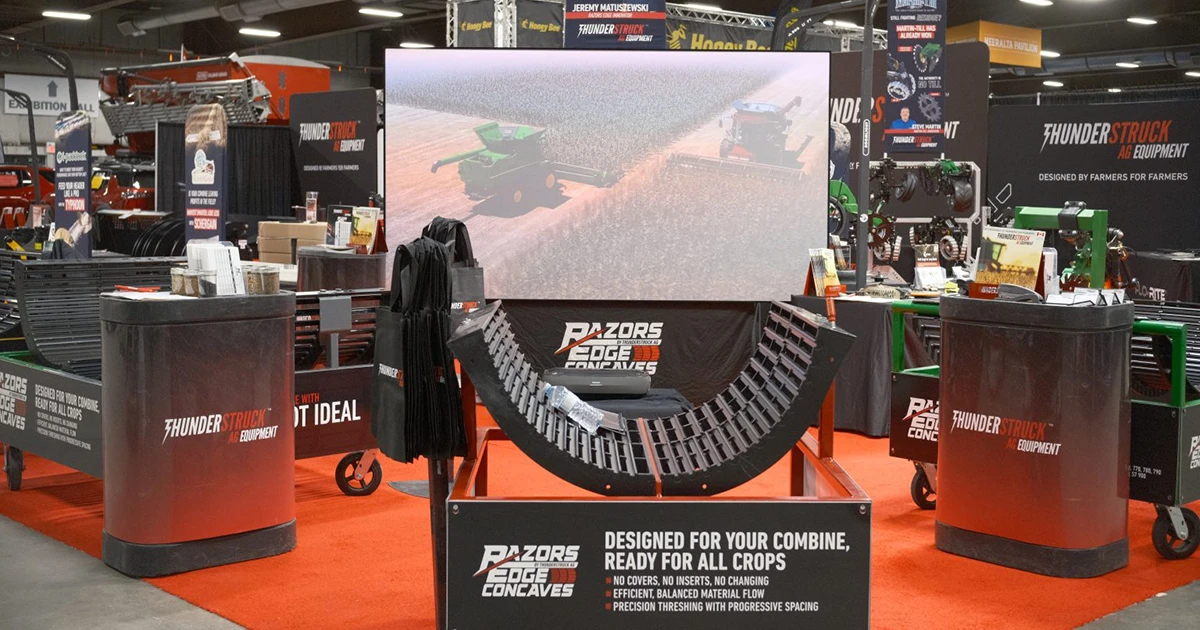
‘Disrupting’ ag equipment markets to help producers

Jeremy Matuszewski is the founder of Thunderstruck Ag Equipment, a company founded in 2013 that represents dozens of high-performance agricultural products across North America and markets them across the globe. He’s also the inventor of the patent-pending Razors Edge Concaves that won an Ag In Motion Innovation Award and a place among Time Magazine’s list of the 30 Best Inventions of 2025.
» Read more about: ‘Disrupting’ ag equipment markets to help producers »
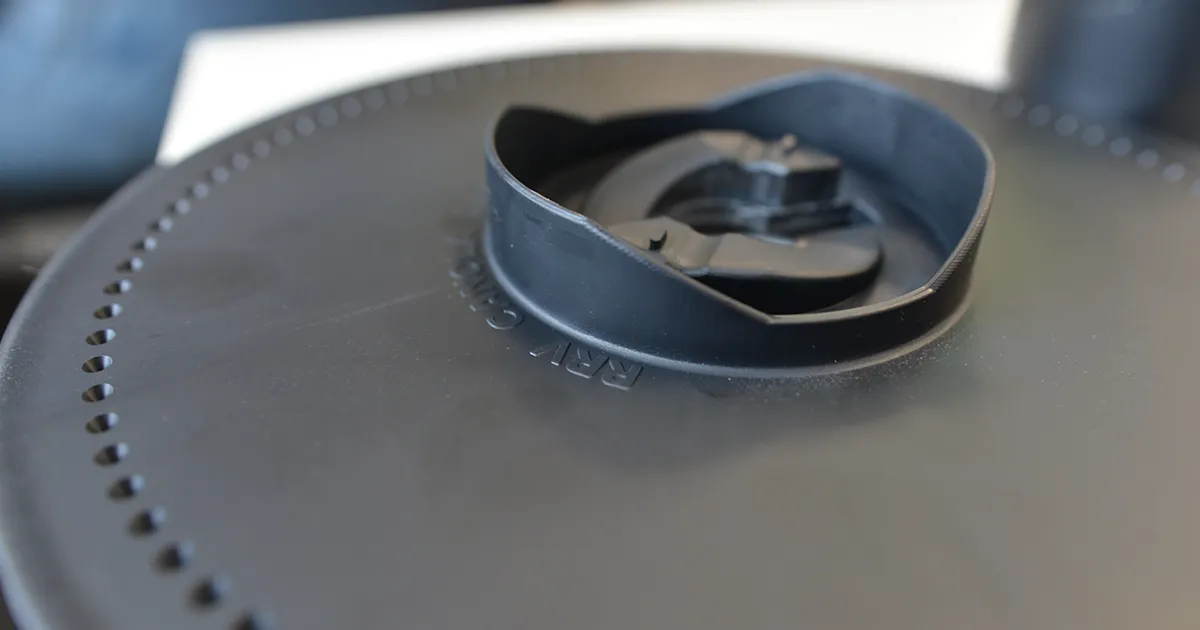
Stop Wasting Seed! How the RRV Seed Disk Prevents Leaks and Saves You Money
When you’re planting small seeds like canola or sesame, every seed counts. But what many growers don’t realize is just how much seed is quietly lost inside the meter itself. Leaks, poor sealing, and improper singulation can all lead to wasted seed.
That’s where the RRV Seed Disk changes the game.
» Read more about: Stop Wasting Seed! How the RRV Seed Disk Prevents Leaks and Saves You Money »
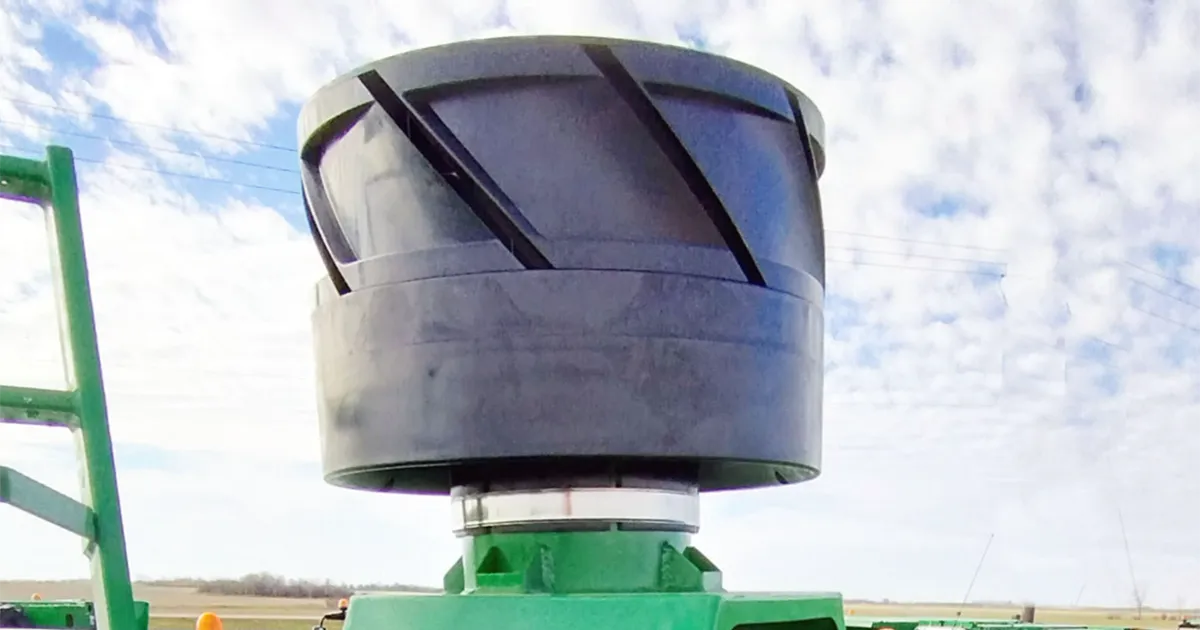
Not Just For Combines: The Industrial Power of the KAS Pre-Cleaner
Dust is one of the biggest enemies of any engine. Whether you’re harvesting crops, loading trucks with a skid steer, or running heavy equipment on a construction site, dirty air can quickly plug filters and slow machines down.
» Read more about: Not Just For Combines: The Industrial Power of the KAS Pre-Cleaner »
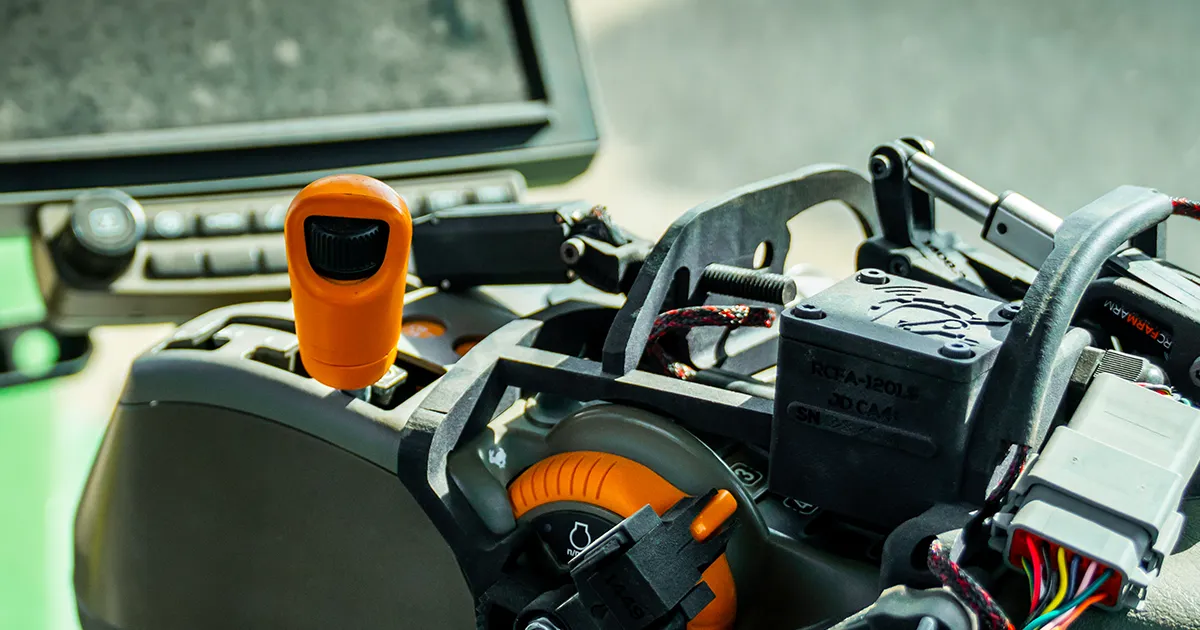
A question we hear often is: “Does it work for bagging grain?” The short answer: Yes, and it’s especially well-suited for that type of stationary work.
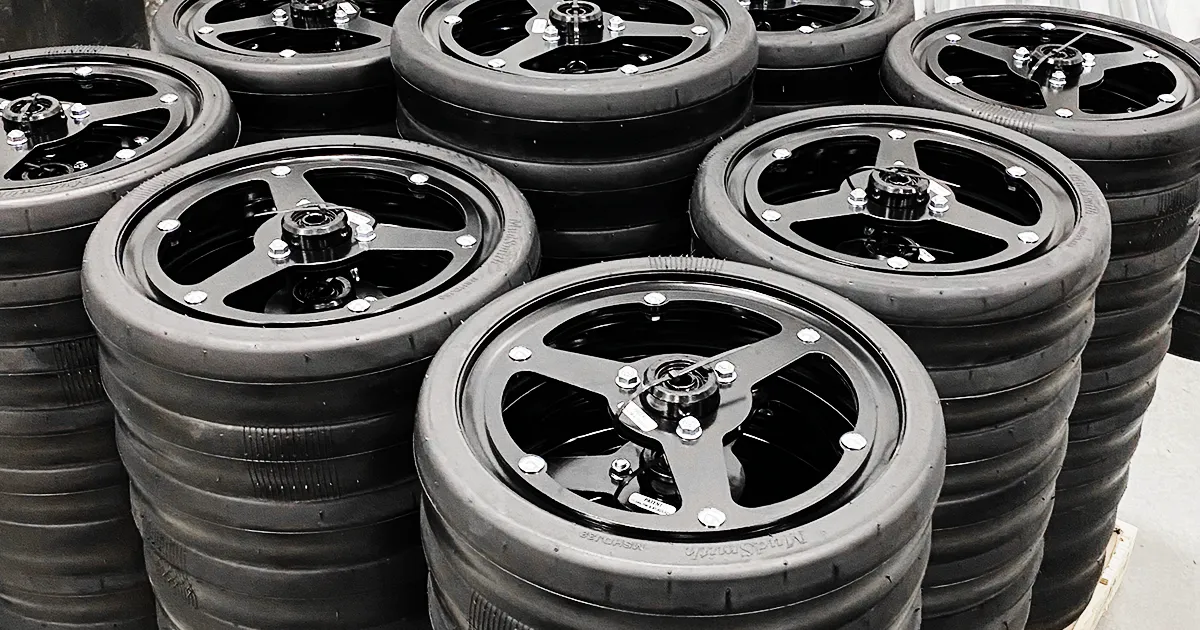
How to Extend the Life of Your Gauge Wheels (And When to Replace Them)
Gauge wheels may not get much attention, but they play a big role in planting accuracy. Their job is simple: keep the row unit riding at the right height so seed depth stays consistent across the field.
When gauge wheels start to wear out, that consistency disappears.
» Read more about: How to Extend the Life of Your Gauge Wheels (And When to Replace Them) »
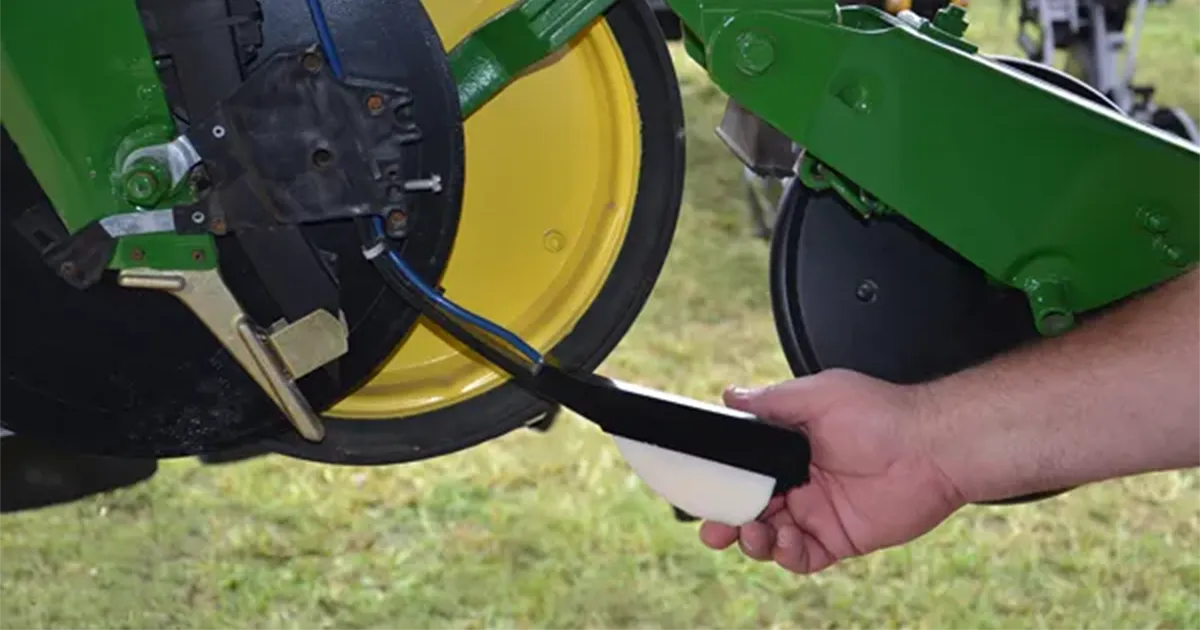
“Can I Use My Existing Brackets?” Everything You Need to Know About Flo-Rite Compatibility
One of the most common questions farmers ask when looking at Flo-Rite Seed Firmers is simple: “Will this work with the brackets I already have?”
The good news is that in most cases, the answer is yes.
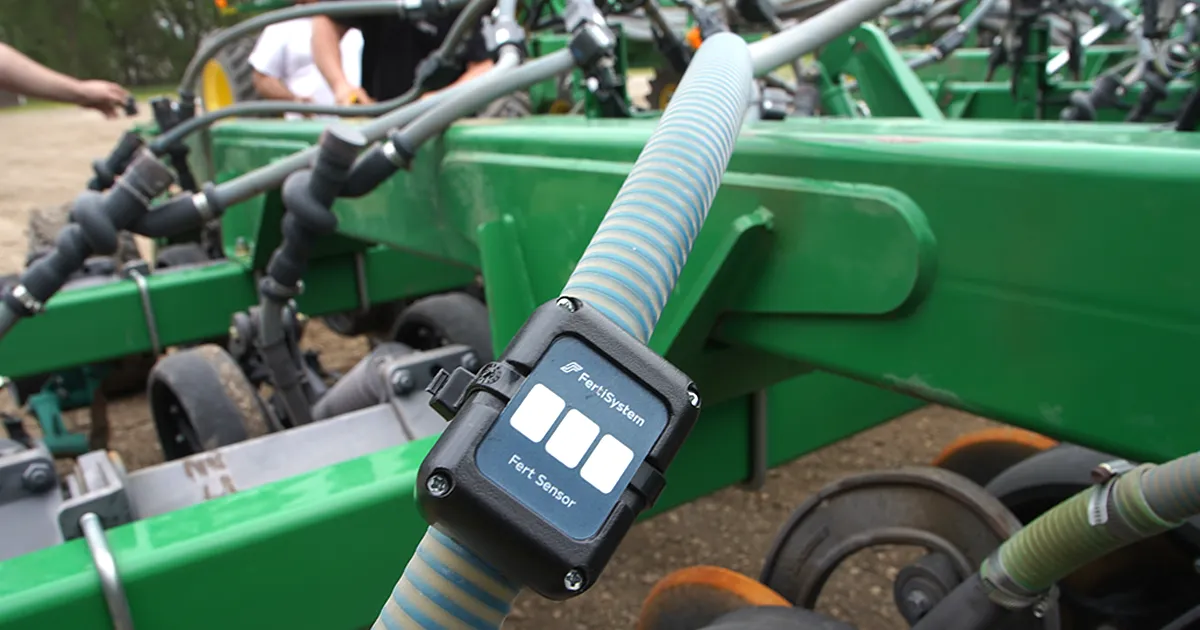
5 Signs Your Fertilizer System Needs Attention Before Planting
When planting season arrives, the last thing you want is to discover fertilizer problems halfway through the field. Blocked lines or worn components can create streaks across the crop that show up weeks later. By then, it’s too late to fix.
A quick inspection before the season starts can save a lot of headaches. Here are five signs your fertilizer system may need attention before you start planting.
» Read more about: 5 Signs Your Fertilizer System Needs Attention Before Planting »
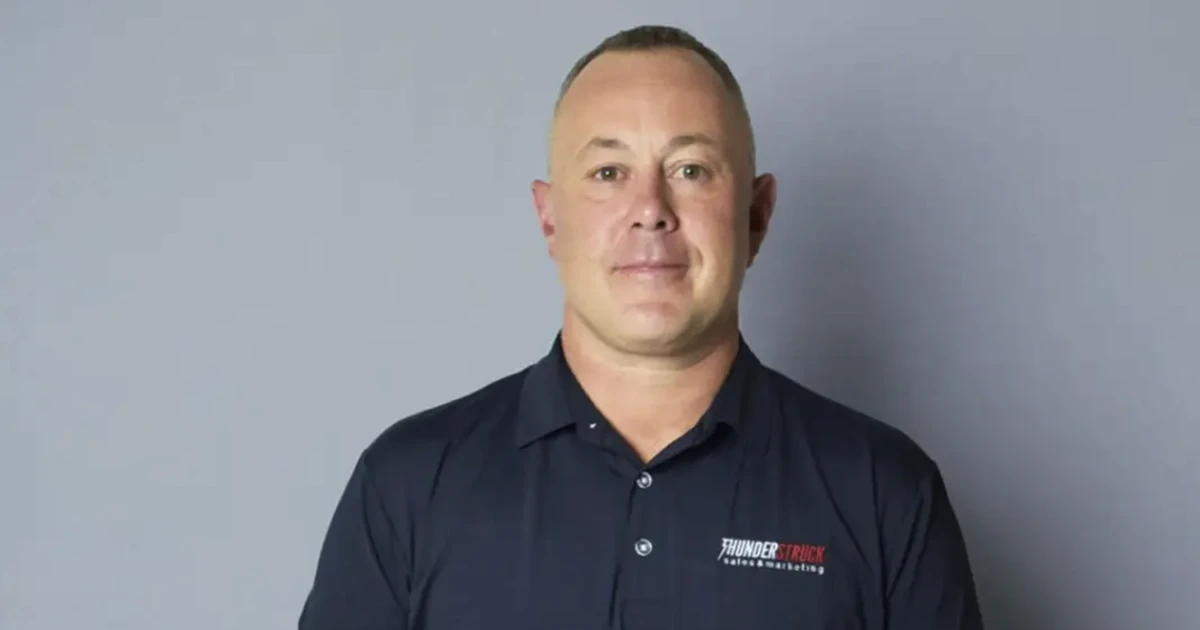
Thunderstruck Ag CEO Jeremy Matuszewski: ‘Innovation Starts In The Field.’

How an entrepreneur built his company by helping farmer-inventors turn practical equipment upgrades into products used across the global agriculture market.
» Read more about: Thunderstruck Ag CEO Jeremy Matuszewski: ‘Innovation Starts In The Field.’ »
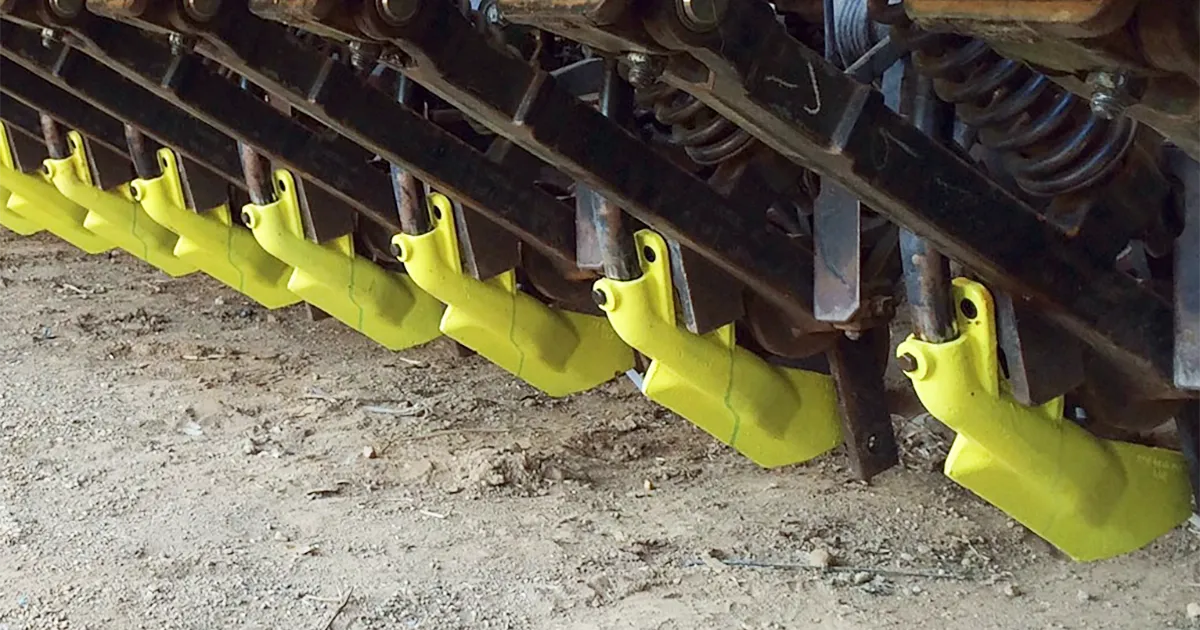
When it comes to planting, everyone talks about openers, seed depth, and down pressure. But one small part that often gets overlooked is the seed boot.
It may not seem like a big deal, but a worn or loose seed boot can quietly cause problems with seed placement across the entire field.
» Read more about: Why Seed Boot Play Matters More Than You Think »
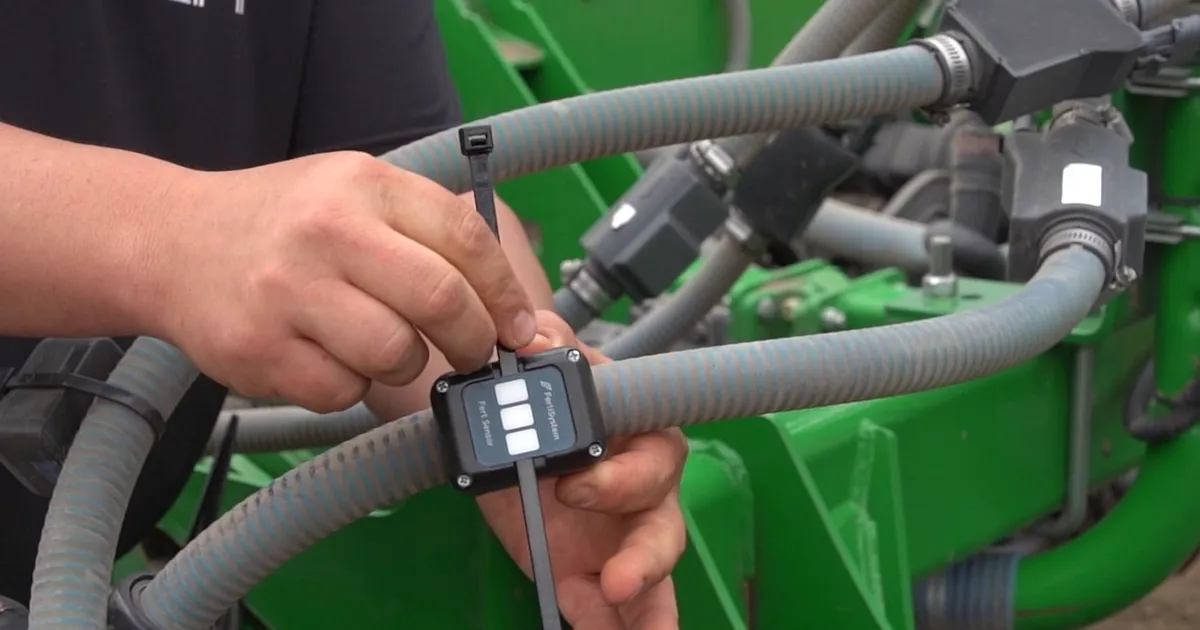
Why Fertilizer Flow Consistency Matters More Than You Think
When it comes to crop production, fertilizer placement often doesn’t get the same attention as seed placement. But if fertilizer isn’t flowing evenly across every run, it can quietly hurt your crop before you even notice.
» Read more about: Why Fertilizer Flow Consistency Matters More Than You Think »
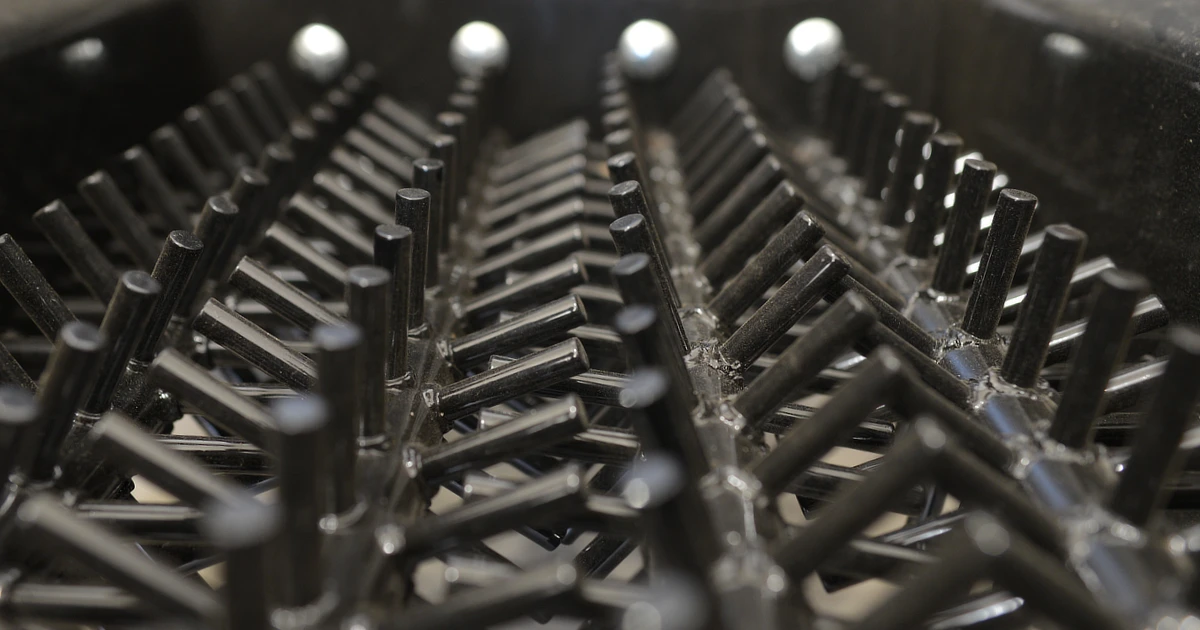
Pneumatic Maintenance Made Simple: The Power of the Fertilizer Buster
If you’ve ever dealt with clumpy fertilizer, you know how frustrating it can be. You open a bin, start loading the auger, and suddenly you’re fighting chunks that won’t break apart. Instead of moving product, you’re standing there smashing lumps or throwing fertilizer on the ground.
» Read more about: Pneumatic Maintenance Made Simple: The Power of the Fertilizer Buster »
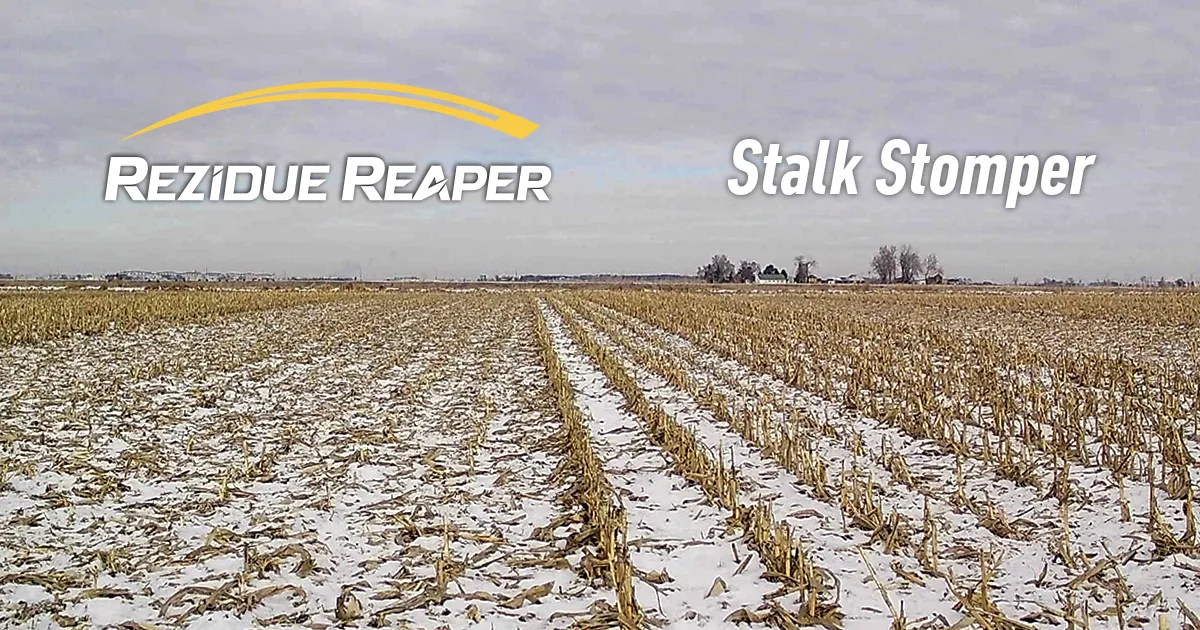
How is the Rezidue Reaper Different From Stalk Stompers or Chopping Heads?
At a glance, many residue tools can look similar. Stalk stompers, chopping heads, and other attachments all aim to manage residue in some way. The difference comes down to where the work is being done.
» Read more about: How is the Rezidue Reaper Different From Stalk Stompers or Chopping Heads? »
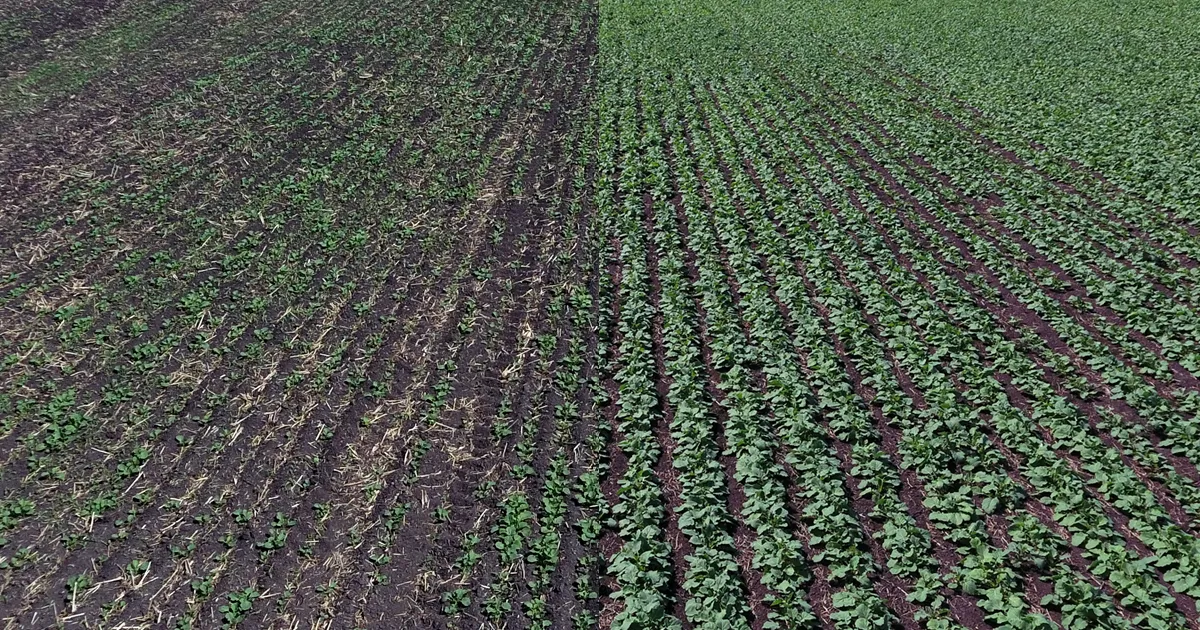
Lower Your Seed Costs Without Sacrificing Performance
Seed isn’t cheap. For many farmers growing canola, it’s one of the biggest input costs each season. The challenge is finding ways to lower those costs without hurting your stand or your yield potential.
» Read more about: Lower Your Seed Costs Without Sacrificing Performance »
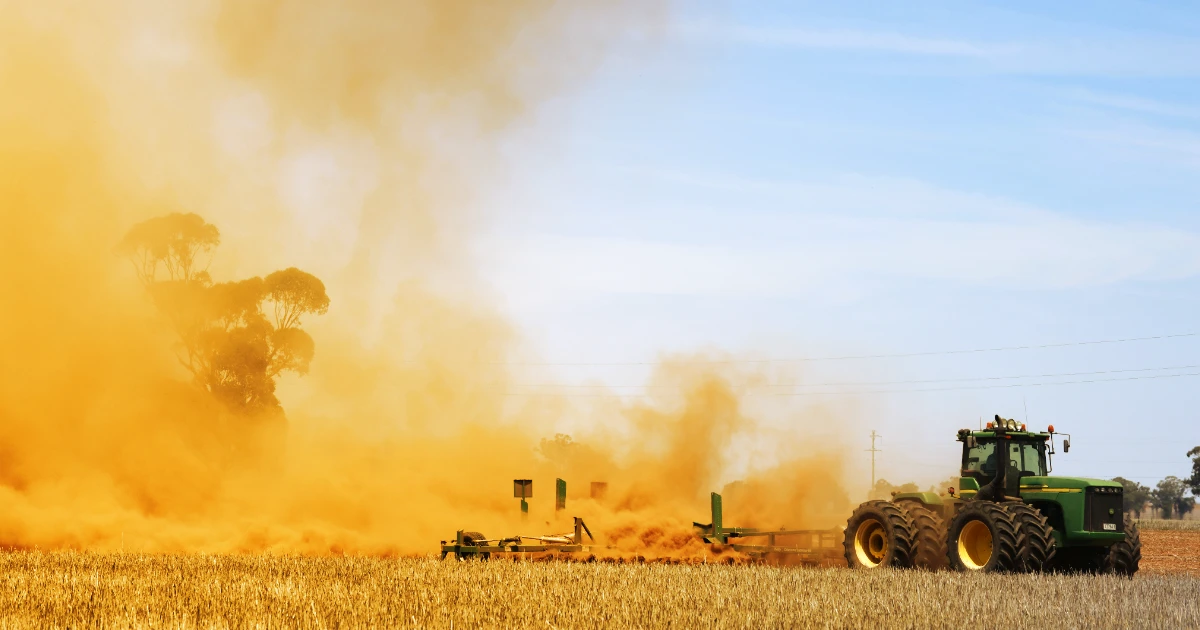
The Secret to Cleaner Airflow in Dusty Conditions
If you’ve farmed long enough, you know the truth: dust gets everywhere.
It plugs air filters, robs horsepower, burns more fuel, and always seems to shut machines down when you’re trying to get work done. Whether you’re running a combine at harvest, pulling a heavy implement with a tractor, or loading with a skid steer, dusty conditions are hard on equipment.
» Read more about: The Secret to Cleaner Airflow in Dusty Conditions »
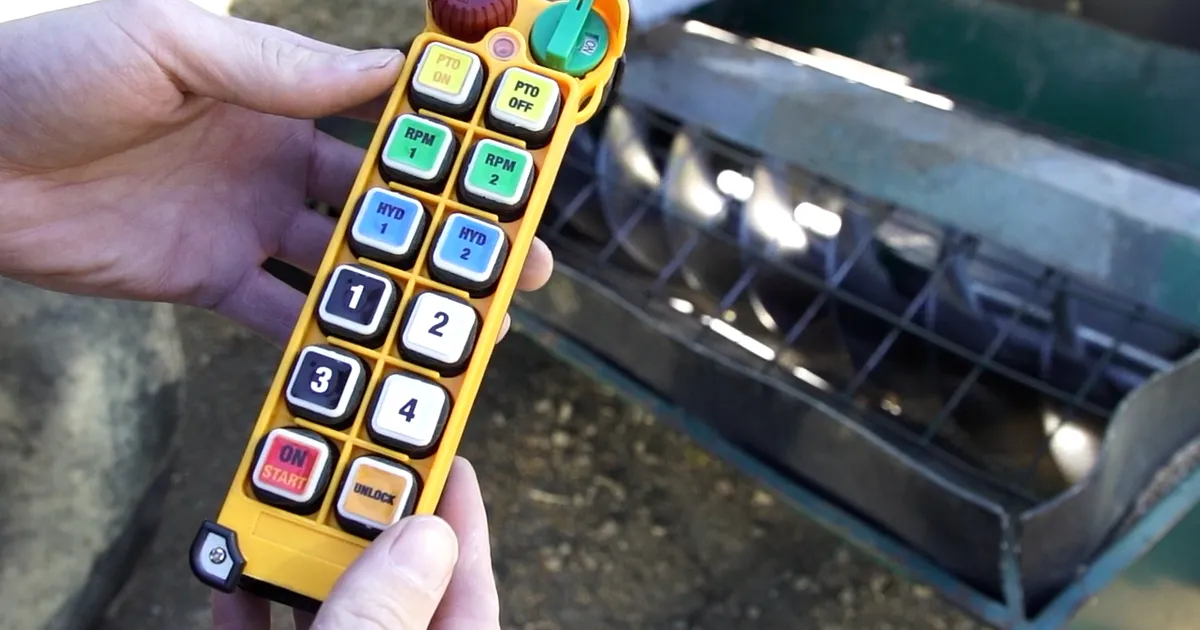
What are some common uses of the RcFarmArm
Farm equipment and workflows are constantly evolving, and so are the ways farmers use technology to make work more efficient. RcFarmArm, a wireless tractor control system, isn’t for every situation, but it’s especially useful for several stationary and PTO-centric tasks on the farm.
» Read more about: What are some common uses of the RcFarmArm »
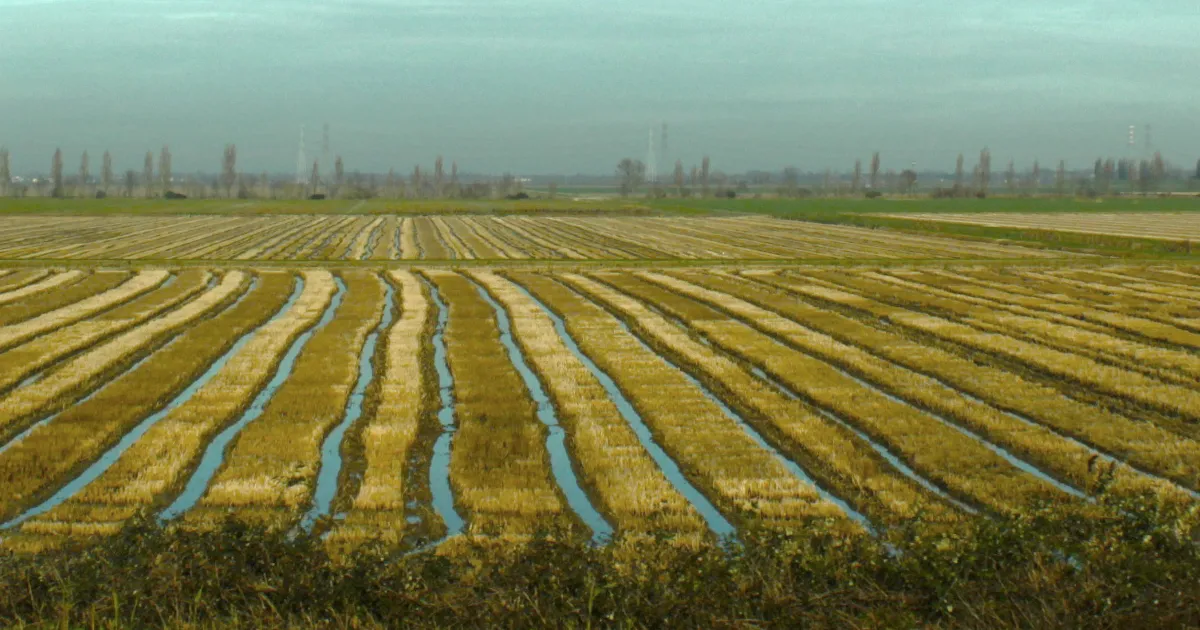
Planting in Wet Conditions? Why Your Gauge Wheels Matter More than You Think
Every farmer knows the pressure of planting season. The window is short, the weather rarely cooperates, and when the soil is just dry enough to go, you want to keep the planter moving.
» Read more about: Planting in Wet Conditions? Why Your Gauge Wheels Matter More than You Think »
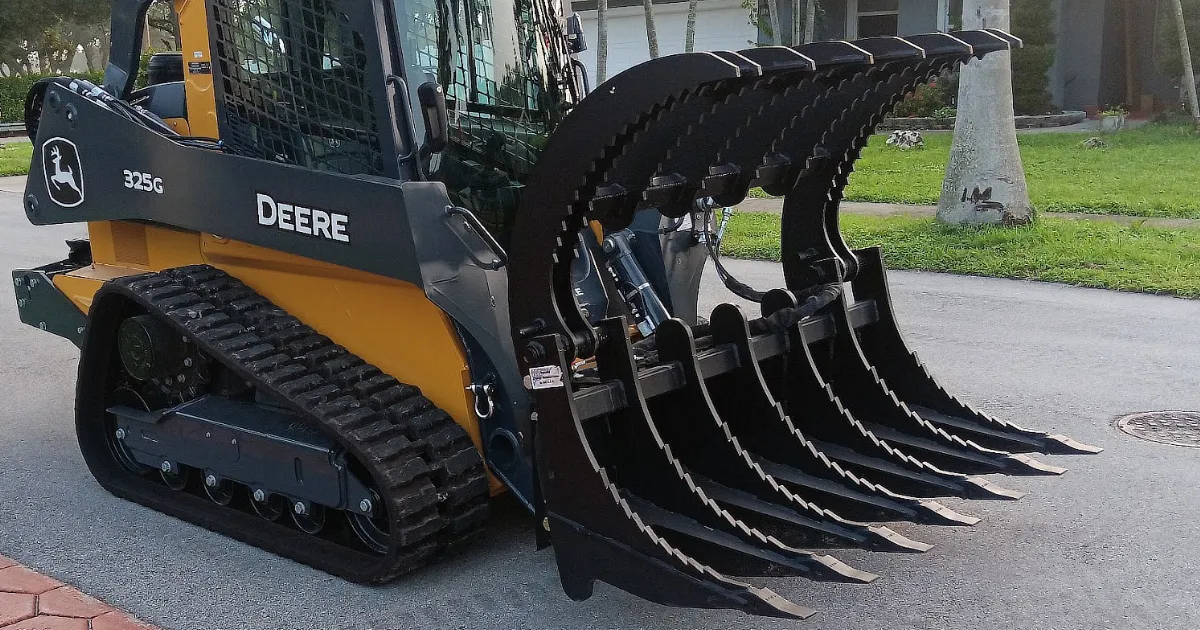
The Hidden Benefits of Skid Steer Grapples in Year-Round Work
Most people think of a skid steer grapple as a cleanup tool. It’s what you grab when there’s brush piles to move, trees to clear, or debris to haul away.
» Read more about: The Hidden Benefits of Skid Steer Grapples in Year-Round Work »
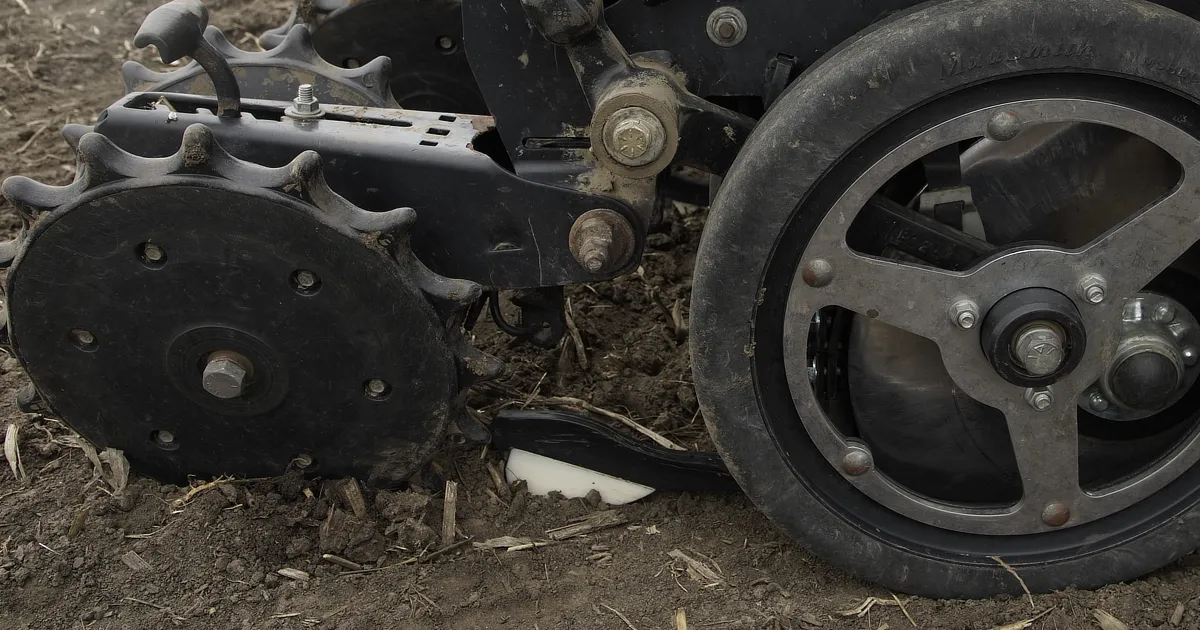
Keep Your Fertilizer Tip Clean: The Secret to Preventing Clogs
When you’re planting, consistency matters. You want every seed placed properly and every drop of fertilizer delivered where it belongs. But if your fertilizer tip gets clogged with dirt or crop debris, that consistency can disappear quickly.
» Read more about: Keep Your Fertilizer Tip Clean: The Secret to Preventing Clogs »
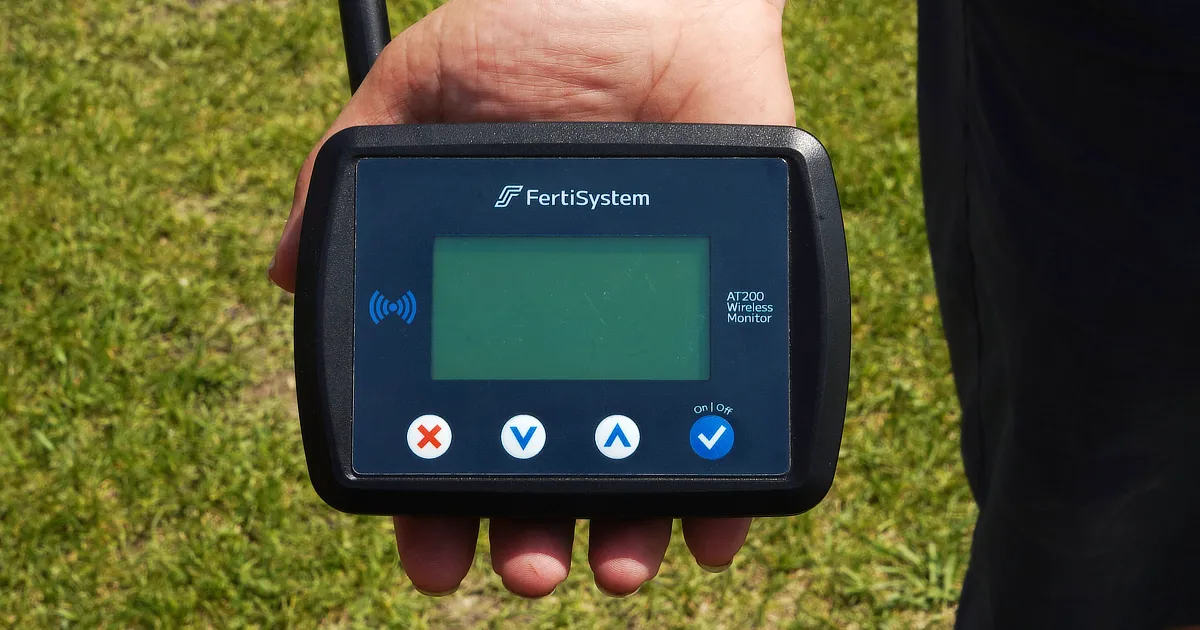
When a Blockage Monitor Isn’t Enough: What Real Blockage Monitoring Should Do
Most farms already run some type of blockage monitor.
And to be fair, many of them work well, especially when they are new. They detect a plugged line, trigger an alarm, and let you know something needs attention. That is a good start.
» Read more about: When a Blockage Monitor Isn’t Enough: What Real Blockage Monitoring Should Do »

How to get a cleaner wheat sample
Anyone who has harvested wheat knows the feeling. You pull up to the truck, check the grain tank, and the sample just isn’t as clean as you’d like. Often, a dirty sample is a sign the combine is working harder than it needs to.
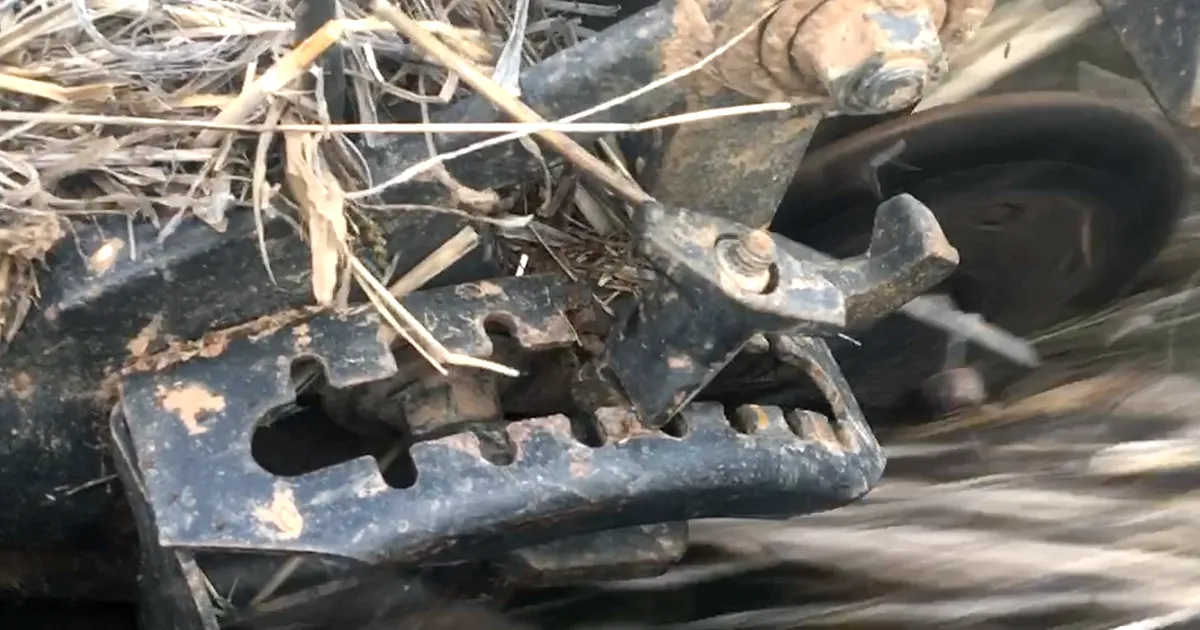
When emergence is uneven, most operators look at openers, seed boots, or downforce. But sometimes the issue starts with two small components that rarely get attention: the cover plate and T-handle.
» Read more about: The Impact of Loose T-Handles & Cover Plates on Your Seeding Accuracy »
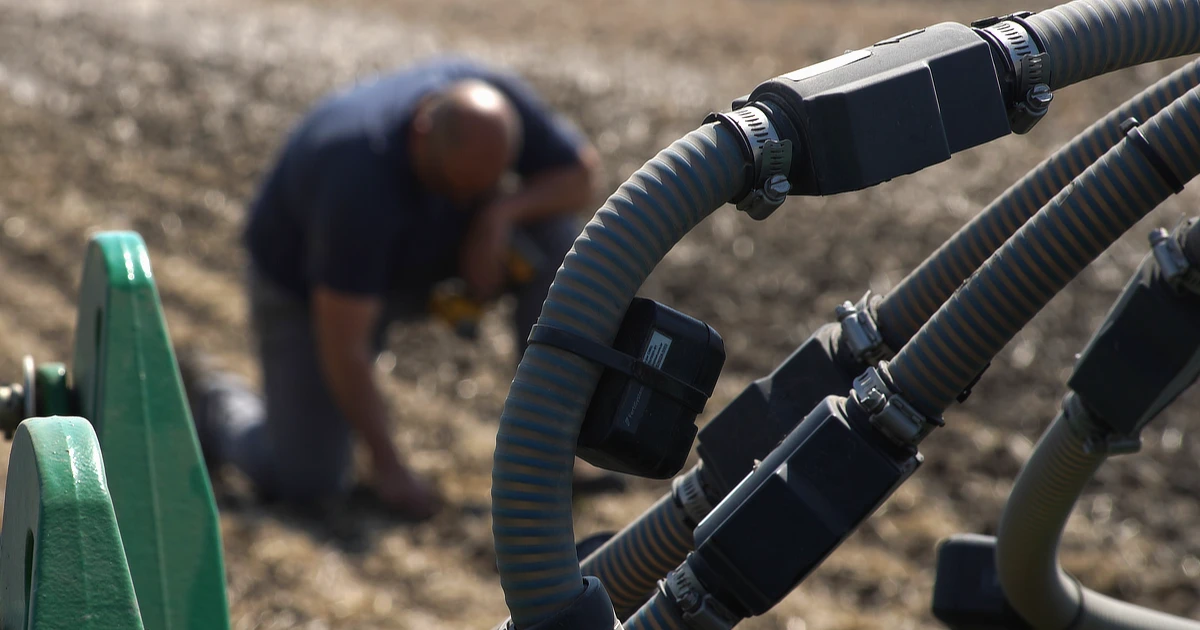
Why the FertiSystems AT200 Display and Fert Sensor Stand Out from Other Blockage Monitoring Systems
Most farms already know they need some form of blockage monitoring. The question is not whether you should monitor product blockages. The question is how accurately and reliably your system is actually doing it.

Canola Harvest Done Right: Protecting Every Pod
Canola doesn’t give you much warning before it starts costing you money.
Pods can shatter at the header. Loss can occur in feeding before the crop ever reaches the rotor. Once material hits the threshing system, overload or inefficient separation can quietly push seed out the back.
» Read more about: Canola Harvest Done Right: Protecting Every Pod »
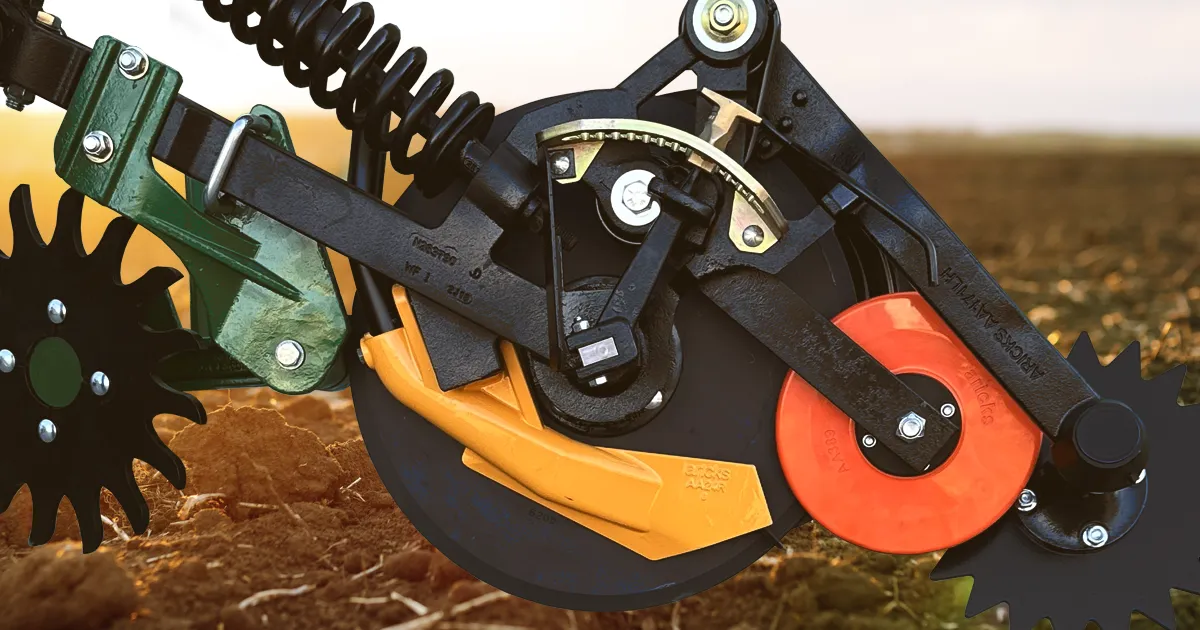
Planting windows are tight. When conditions are right, every hour counts. The best way to avoid downtime in the field is to handle wear and weak points before the season begins.
Here’s a practical, step-by-step checklist to prepare your John Deere air seeder for a smooth start.
» Read more about: Essential Pre-Season Checklist for Your John Deere Air Seeder »
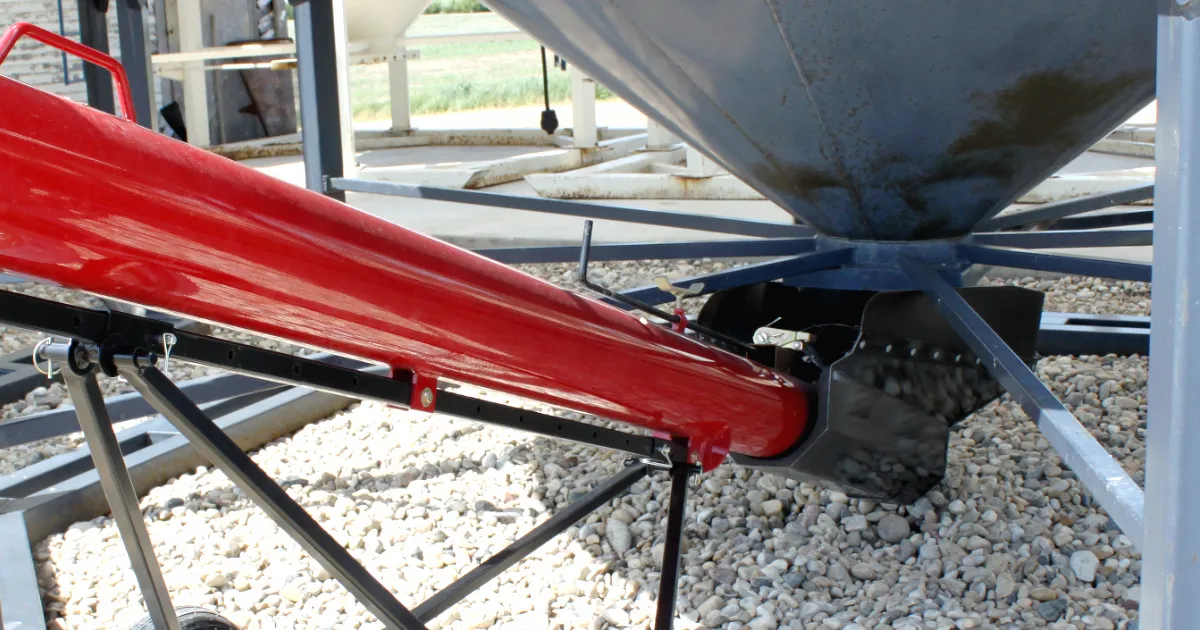
Top 5 Reasons Farmers Are Switching to The Hopper for Loading Grain.
Loading grain shouldn’t require two people, extra cleanup, and wasted product on the ground.
Yet with traditional auger setups, spillage, awkward positioning, and repeated adjustments are common. That’s why more farmers are adding the The Hopper to the end of their augers, it means loading faster, cleaner, and more manageable by one person.
» Read more about: Top 5 Reasons Farmers Are Switching to The Hopper for Loading Grain. »
At Thunderstruck Ag Equipment we strive to be your Agriculture and Farm Equipment blog source for all things Ag. If you’ve got questions about our products, these articles are a great source of information!