











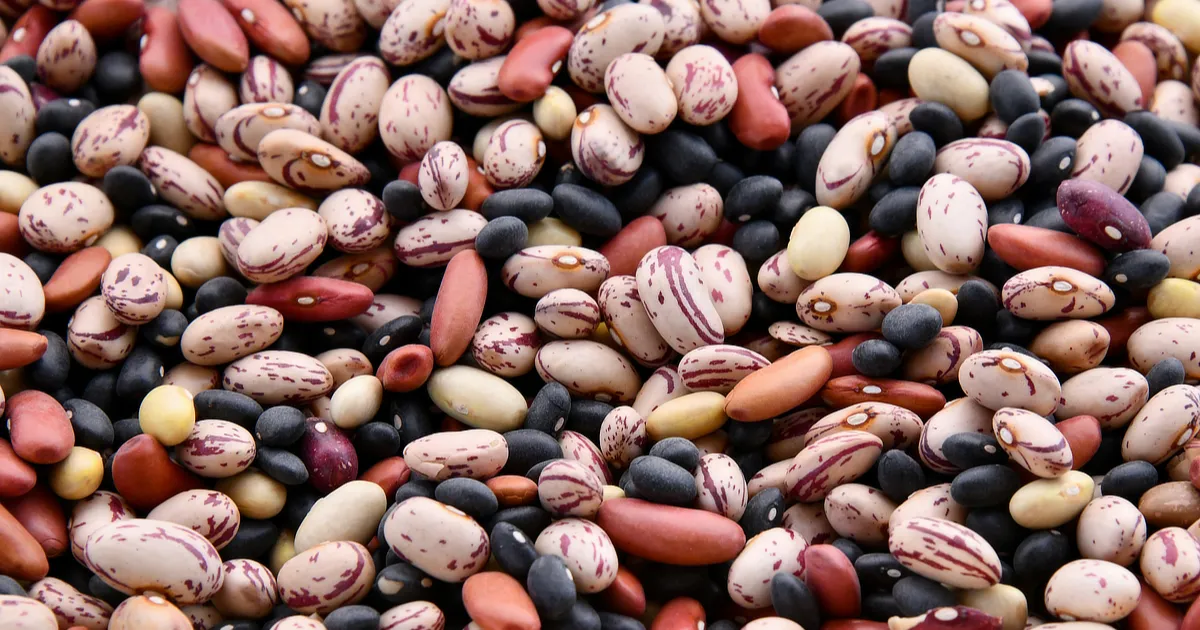
Edible beans are one of those crops where the combine has to be set with care.
Push too hard, and it shows up in the sample as cracked seed coats, splits, and dockage. Back off too much, and you risk unthreshed pods, grain left in the rotor, or loss out the back of the machine.
That is the challenge with edible beans. You need enough threshing to get the crop out of the pod, but you also need the rotor to unload properly so the crop is not being overworked.
In beans, damage often happens when the crop spends too much time under pressure inside the combine.
Why Beans Crack
Edible beans are sensitive to impact, pressure, and repeated contact.
When the machine is struggling to move material through the rotor, operators often try to compensate with tighter concave settings or higher rotor speed. That may help finish threshing, but it can also increase the chance of cracking, splitting, and sample damage.
Common causes of bean damage include:
- Too much rotor speed
- Concaves set too tight
- Material building up instead of moving through
- Uneven crop flow through the rotor
- Overloading that creates more aggressive action than needed
The issue is not always that the combine needs to thresh harder.
Sometimes the bigger issue is that the rotor is not unloading the crop efficiently enough.
When material does not move through the rotor smoothly, the beans stay in that high-pressure zone longer. That increases rubbing, impact, and damage.
The Smarter Approach: Balanced Rotor Unload
Clean beans do not come from forcing the crop through the combine.
They come from keeping the rotor balanced so material can move, thresh, separate, and unload without unnecessary pressure.
That means:
- Letting crop flow smoothly through the rotor
- Avoiding material buildup
- Reducing the need for aggressive settings
- Keeping the threshing area from becoming overloaded
- Giving grain a cleaner path out of the crop mat
When the rotor can unload properly, the combine does not have to rely as heavily on speed or tight clearance to finish the job.
That is where sample quality can improve.
Where Razors Edge Concaves Make the Difference
Razors Edge Concaves are designed to help balance crop flow through the combine.
The progressive spacing design tightens where threshing begins, then opens up to help material continue moving through the rotor. This helps prevent crop from building up and being overworked inside the machine.
In edible beans, that matters because overloaded crop flow can quickly turn into cracked beans and damaged samples.
Razors Edge Concaves help by:
- Supporting smoother rotor unload
- Reducing bottlenecks in the threshing area
- Helping the crop move through the machine more evenly
- Reducing the need to rely on overly aggressive settings
- Maintaining separation without holding crop under pressure longer than needed
The goal is not to make the combine thresh harder.
The goal is to help the combine stay balanced so it can thresh and separate more efficiently.
Better Flow Can Mean a Better Sample
When material moves through the rotor properly, operators often have more room to manage the machine without pushing the crop too aggressively.
That can allow for:
- Lower rotor speed where conditions allow
- More forgiving concave settings
- Less repeated contact inside the rotor
- Reduced pressure on sensitive crop
- Cleaner samples with fewer splits and cracks
- Faster ground speed
- Increased overall capacity
In edible beans, that balance matters.
A combine that is plugged up, overloaded, or holding crop too long is more likely to damage the sample. A combine that can move material smoothly has a better chance of protecting grain quality while still getting the crop threshed.
Bottom Line
In edible beans, aggressive threshing can get expensive fast.
Cracking, splitting, and dockage are often signs that the crop is being overworked inside the combine.
Razors Edge Concaves help address that by supporting balanced rotor unload, smoother crop flow, and more efficient separation. Instead of forcing the machine to thresh harder, they help the crop move through the rotor the way it should.
If you have questions about reducing cracking in edible beans or setting up your combine with the right Razors Edge Concaves, call 1-855-612-7006 to talk with our team.