

















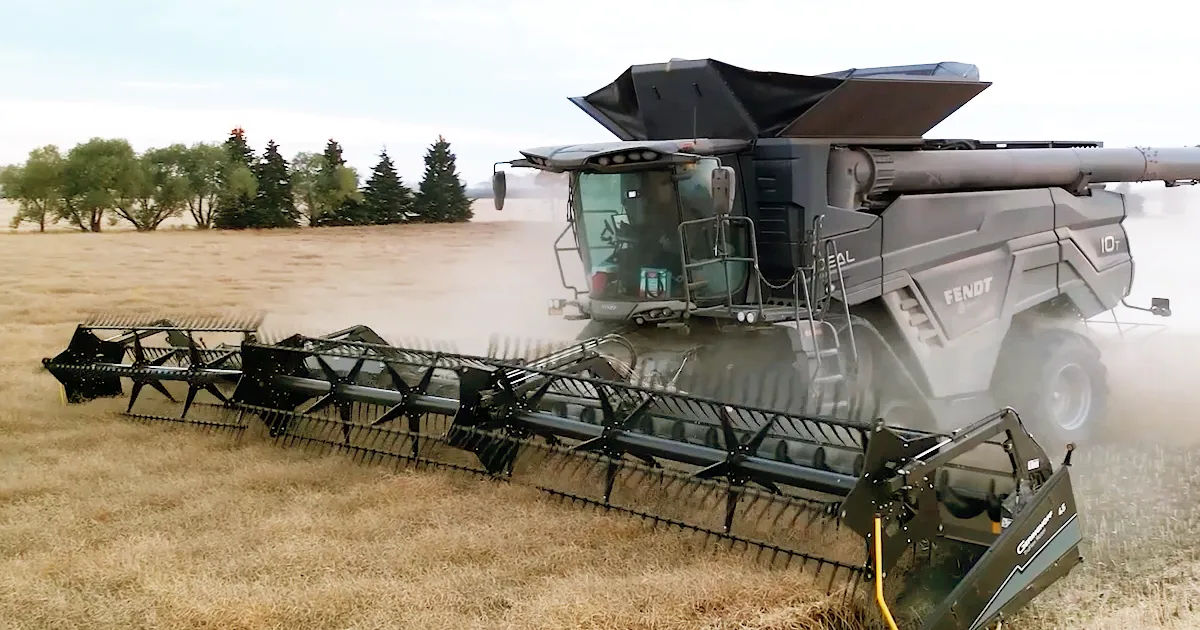
Most Fendt operators don’t start looking at concaves because they want something different.
They start looking because harvest gets frustrating.
Maybe the rotor starts loading up. Maybe the sample is not as clean as it should be. Maybe you are trying to open the machine up for more capacity, but loss starts climbing. Or maybe you are constantly adjusting settings just to keep the combine balanced as conditions change throughout the day.
That is usually where the conversation around Fendt concaves begins.
Fendt IDEAL combines are built for capacity. But capacity only works when crop flow, threshing, and separation stay balanced through the machine. When the concave setup is not helping the rotor unload properly, operators can end up fighting the combine instead of running it with confidence.
Why Concave Design Matters on a Fendt Combine
The concave plays a major role in how crop moves through the threshing and separation area.
On a high-capacity machine like a Fendt IDEAL combine, that matters because the machine is built to handle a large volume of crop. If material does not move evenly through the rotor, bottlenecks can build quickly.
When that happens, operators may notice:
- Higher rotor load
- Inconsistent threshing
- Reduced separation performance
- Grain loss out the back of the combine
- Dirty samples
- More time spent chasing settings
The issue is not always that the combine needs to thresh harder. In many cases, the bigger issue is that material is not unloading through the rotor as efficiently as it should.
That is where Razors Edge Concaves for Fendt combines are designed to make a difference.
How Razors Edge Concaves Work in Fendt Combines
Razors Edge Concaves are built with a notched design and progressive spacing to help manage crop flow through the rotor.
Instead of keeping the same spacing through the entire concave, the Razors Edge design changes as crop moves through the system:
- Tighter where threshing begins
- More open where separation and material flow become critical
This design helps the combine start threshing where it needs to, then gives material room to keep moving through the rotor.
For Fendt operators, that balance matters. When crop flow stays smoother, the combine is less likely to overload, and operators can often maintain more consistent performance across changing field conditions.
Why Fendt Operators Look at Notched Concaves
Searches for Fendt notched concaves often come from operators trying to solve real harvest problems.
They are not just looking for a different style of concave. They are usually trying to improve how the combine handles crop flow, separation, and rotor load.
Razors Edge Concaves use a notched bar design to help create more crop-on-crop action while supporting smoother movement through the machine. The goal is not to make the combine more aggressive. The goal is to help the combine process crop more efficiently.
That can help with:
- Cleaner samples
- Reduced rotor loss
- More even material flow
- Better separation consistency
- Less time spent making major setting changes
- More confidence pushing capacity when conditions allow
Built for High-Capacity Harvesting
Fendt IDEAL combines are designed to move a lot of material.
That is a major advantage, but it also means the concave system has to support that flow. If crop stalls, overloads, or moves unevenly, the machine can lose efficiency fast.
Razors Edge Concaves are designed to help keep material moving through the rotor by balancing threshing and separation. This can be especially important when harvest conditions change throughout the day and operators need the combine to stay steady instead of constantly needing adjustment.
For operators looking at Fendt concaves, the question is often not, “Can this combine thresh?”
The better question is, “Is the concave setup helping the combine unload and separate efficiently?”
Where Operators Notice the Difference
The biggest difference usually is not one dramatic change.
It is the combination of improvements that show up throughout harvest:
- A cleaner grain sample
- Better flow through the rotor
- Less rotor overload
- Reduced loss
- More consistent separation
- Fewer major adjustments throughout the day
- Improved confidence in changing conditions
For Fendt operators, that consistency can make a major difference. When the machine stays balanced, the operator can focus on harvesting instead of constantly trying to correct the same problems.
Bottom Line
Fendt combines are built for capacity, but capacity depends on crop flow.
Razors Edge Concaves for Fendt combines are designed to help balance threshing, separation, and rotor unload so the machine can run more efficiently across changing harvest conditions.
It is not about making the combine thresh harder.
It is about helping the combine move crop through the rotor better.
If you have questions about Razors Edge Concaves for Fendt combines or setting up your Fendt IDEAL combine for better separation, call 1-855-612-7006 to talk with our team.