
















Blog Category: Planting

3 Things Every Farmer Should Know About Residue Management
A clean seedbed in spring starts with what you leave behind at harvest.
That means managing residue all the way from the combine to the planter. From cutting it consistently, spreading it evenly, helping stalks break down, and keeping the seed row clear. Each step makes the next one easier.
» Read more about: 3 Things Every Farmer Should Know About Residue Management »
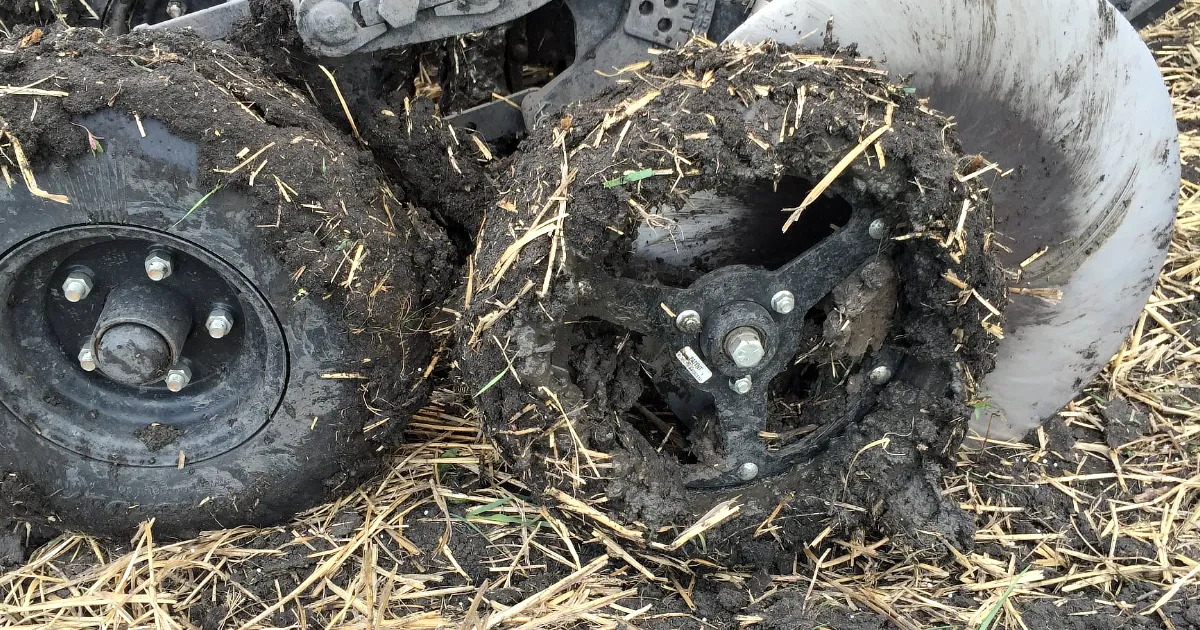
How to Prevent Plugging and Bouncing When Conditions Get Tough
Every planter works great in perfect conditions, but the real test is mud, residue, and uneven ground. That’s where plugging starts and where accuracy begins to fall apart.
» Read more about: How to Prevent Plugging and Bouncing When Conditions Get Tough »
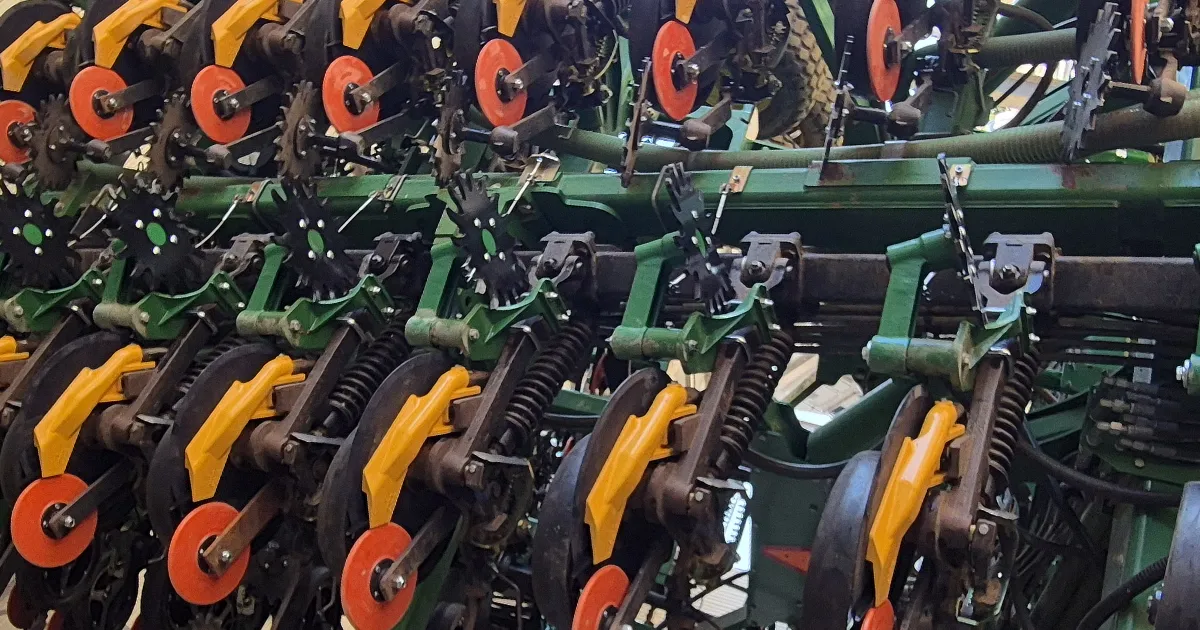
Are You Over-Packing Your Seedbed Without Realizing It?
Most farmers focus on seed depth, but what happens *after* the seed is placed matters just as much.
If your press wheels are over-packing the trench, you could be hurting emergence without even knowing it.
» Read more about: Are You Over-Packing Your Seedbed Without Realizing It? »
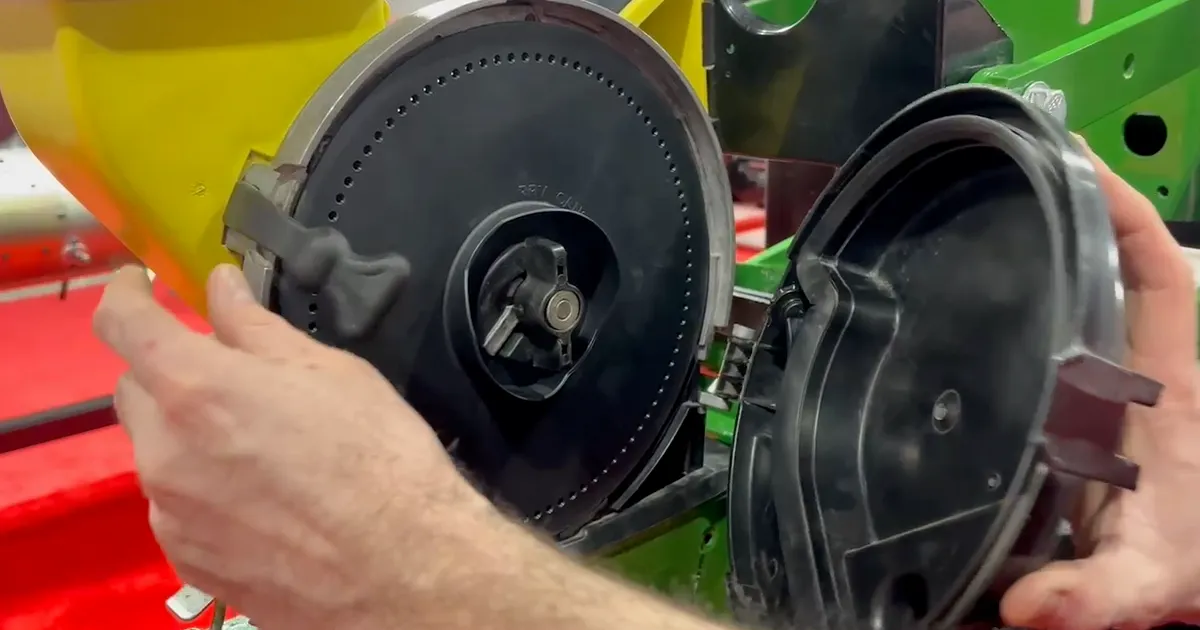
The Canola Disk Built Because “Good Enough” Was Costing Farmers Too Much
For years, planting canola with a row planter meant working around a problem farmers should not have had to accept.
Canola seed is small, expensive, and unforgiving. Every seed matters. But instead of using a disk designed specifically for canola, farmers were often forced to use sugar beet disks and make the best of it.
» Read more about: The Canola Disk Built Because “Good Enough” Was Costing Farmers Too Much »
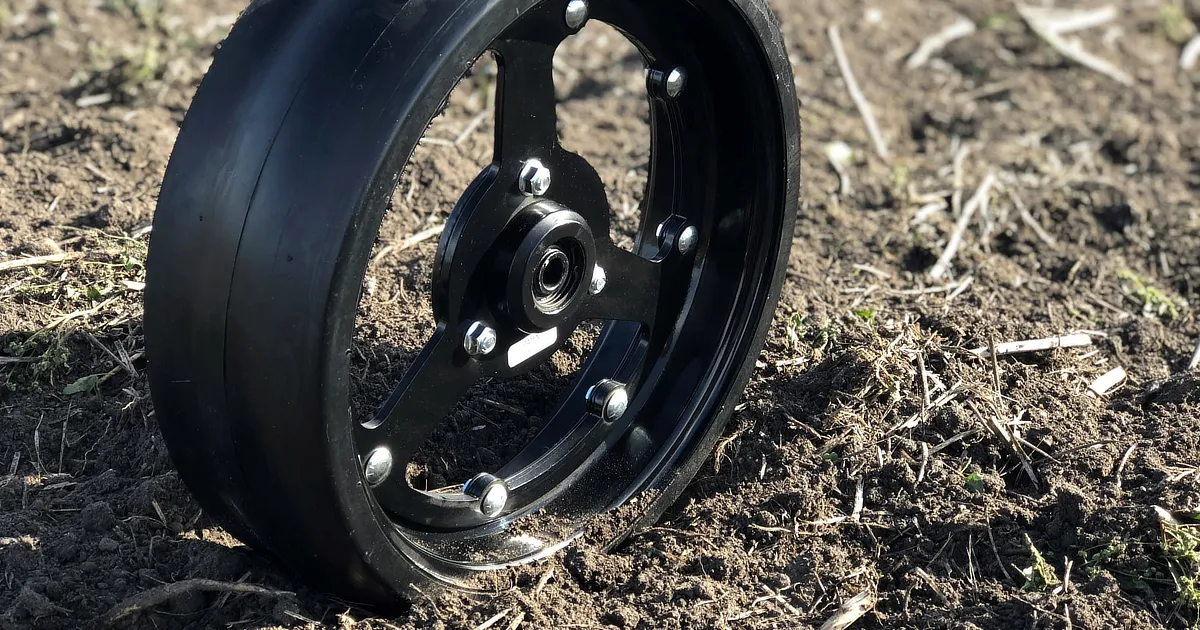
Stop Replacing Your Entire Gauge Wheel
Gauge wheels take a beating during planting season.
They run through mud, residue, rough ground, abrasive soil, and long days in the field. Over time, parts wear. Sometimes something cracks. Sometimes a bearing goes. Sometimes the rubber is simply worn out.
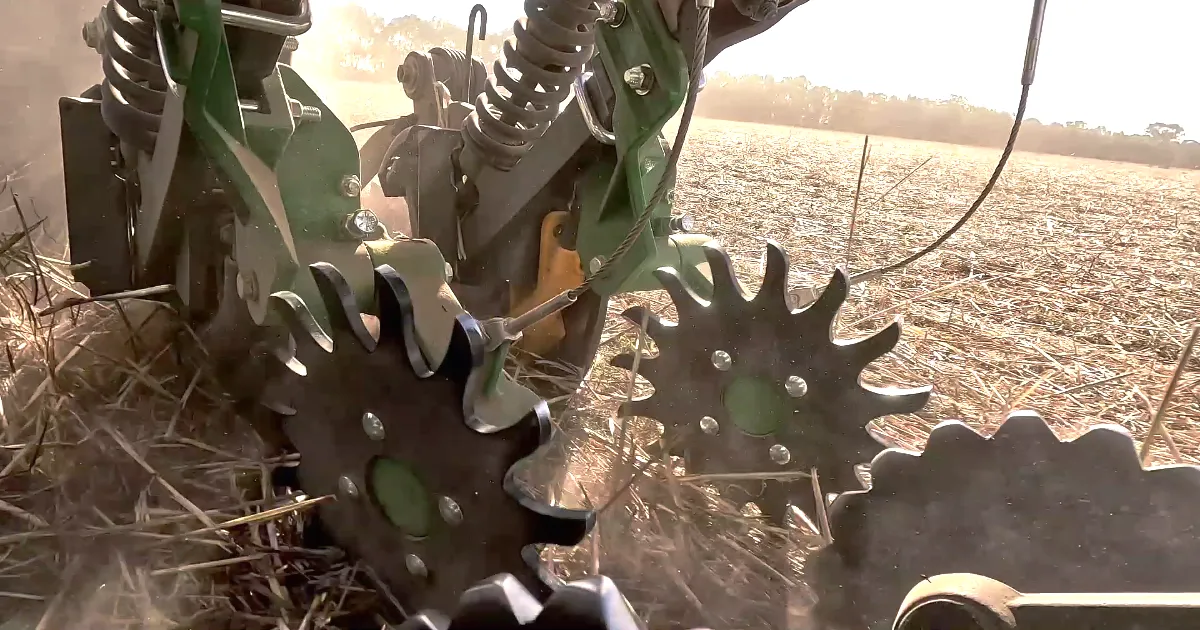
When farmers ask what size of farm needs an Aricks Residue Manager, the answer is not as simple as acres.
A 10,000-acre farm can benefit from the Residue Manager because every hour of seeding efficiency matters. But a 1,500-acre farm dealing with heavy straw, wet residue, or inconsistent seed placement may see just as much value.
» Read more about: What Farm Size Benefits Most From the Aricks Residue Manager? »
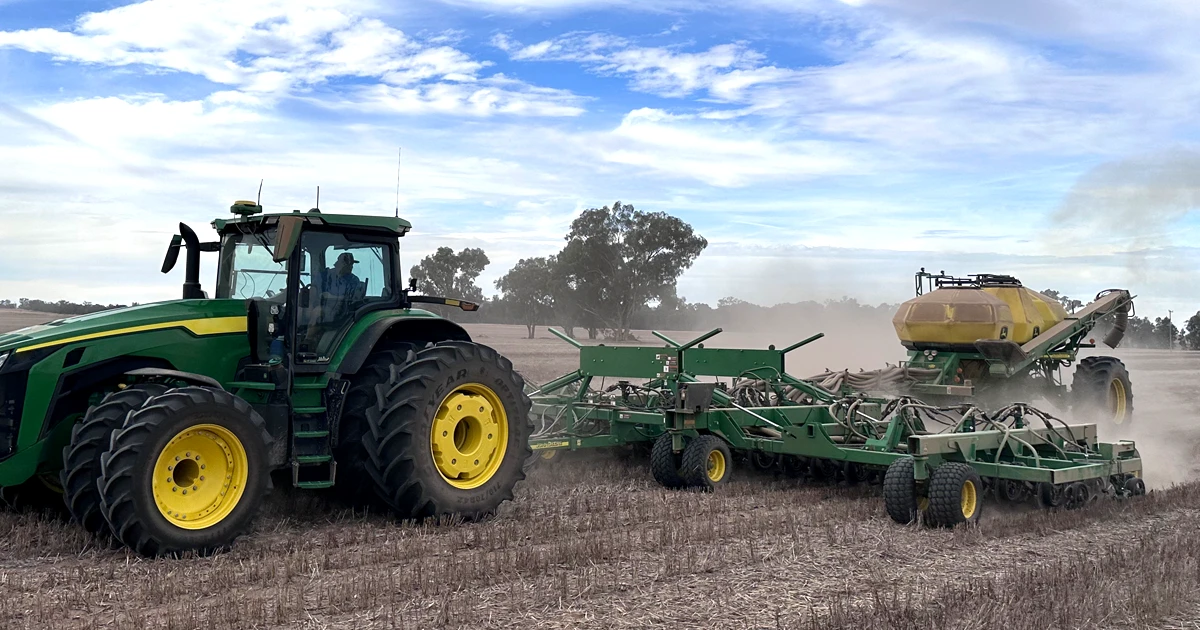
No-till farming has come a long way but one challenge hasn’t changed: managing residue without hurting seed placement. Heavy crop residue can tie up moisture, cause hair-pinning, and lead to uneven emergence if it’s not handled properly.
The future of no-till isn’t about removing residue. It’s about managing it better.
» Read more about: The Future of No-Till Farming: Innovations in Residue Management »
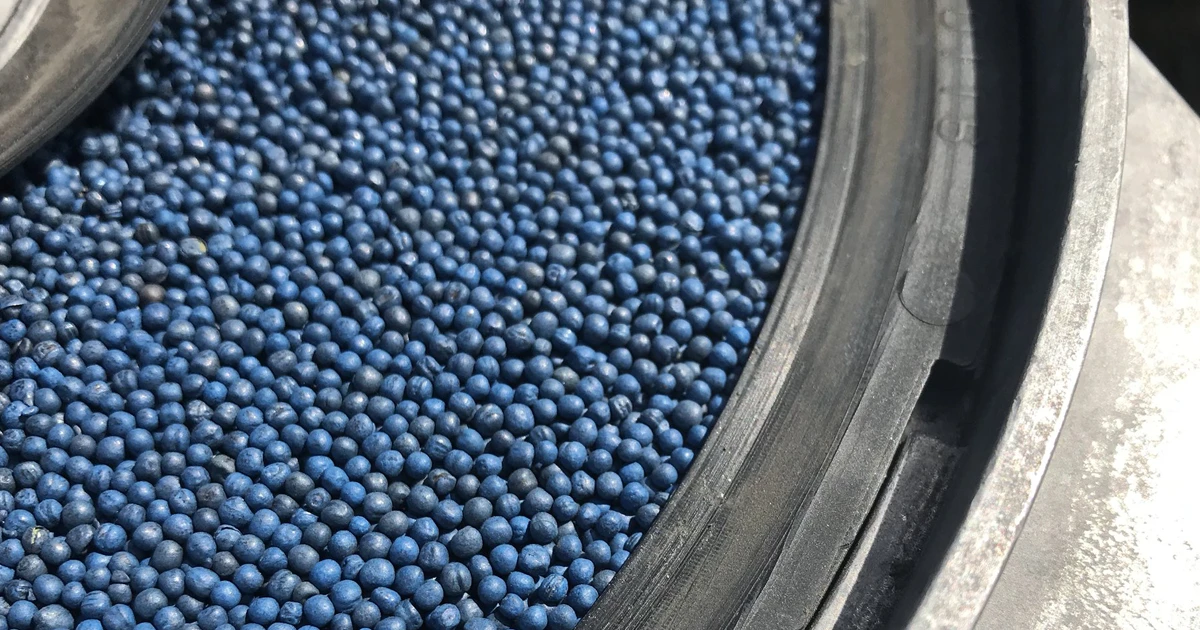
Stop Wasting Seed! How the RRV Seed Disk Prevents Leaks and Saves You Money
Seed is expensive and every one that doesn’t make it into the ground properly is money lost. While most farmers focus on spacing and depth, there’s another problem quietly costing you: seed meter leaks.
» Read more about: Stop Wasting Seed! How the RRV Seed Disk Prevents Leaks and Saves You Money »
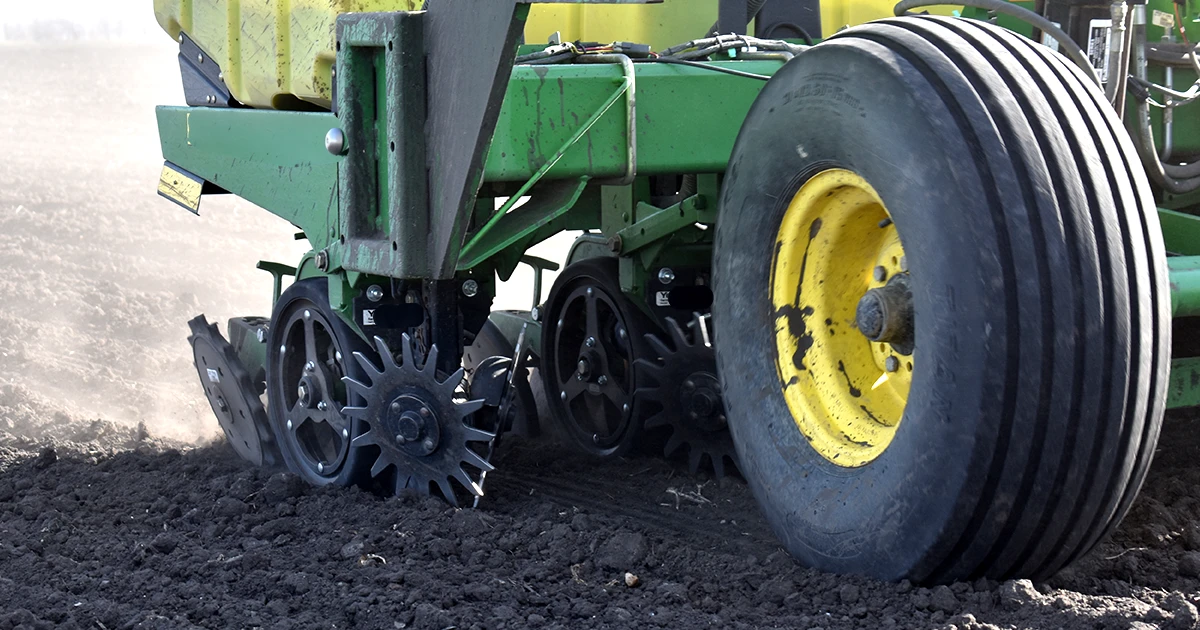
Upgrade Your Planting Setup: Why More Farmers Are Switching to MudSmith
If you’ve ever had to stop mid-pass to scrape mud out of your gauge wheels, you already know the pain. Plugging throws off seed depth and turns a tight planting window into a brutal race.
That’s why farmers are switching to MudSmith: it keeps you moving when conditions aren’t perfect.
» Read more about: Upgrade Your Planting Setup: Why More Farmers Are Switching to MudSmith »
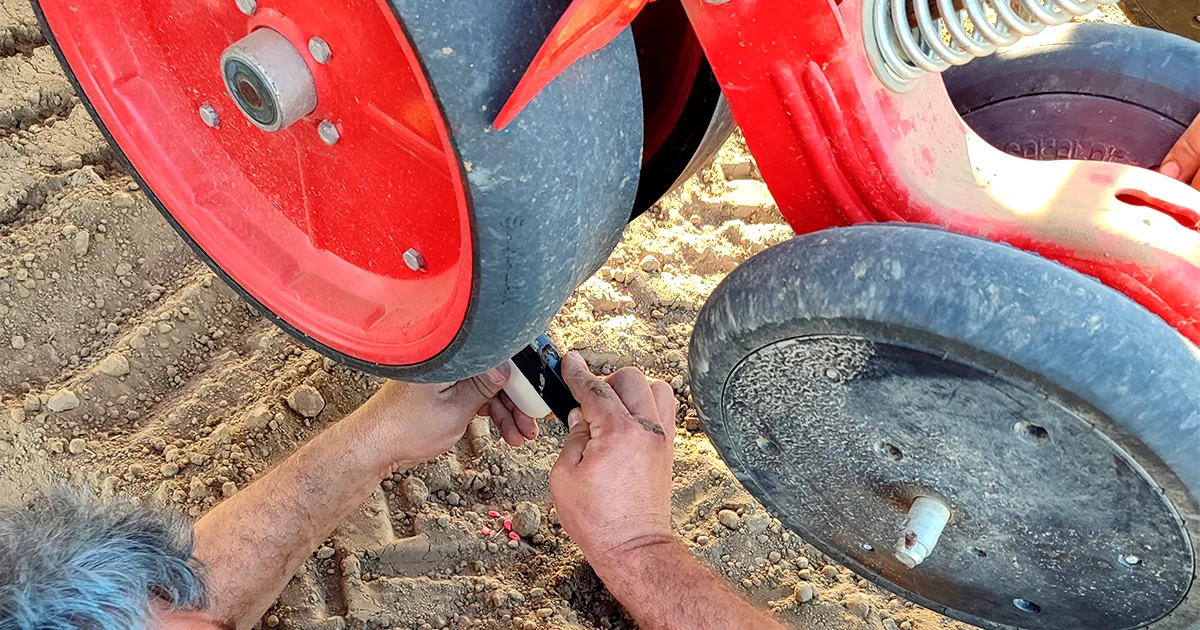
How Seed Firmers Affect Germination and Yield – The Science Behind It
Planting is about precision. If your seed isn’t sitting exactly where it should be, with firm contact to moisture, you could be giving up yield before the crop even emerges.
» Read more about: How Seed Firmers Affect Germination and Yield – The Science Behind It »
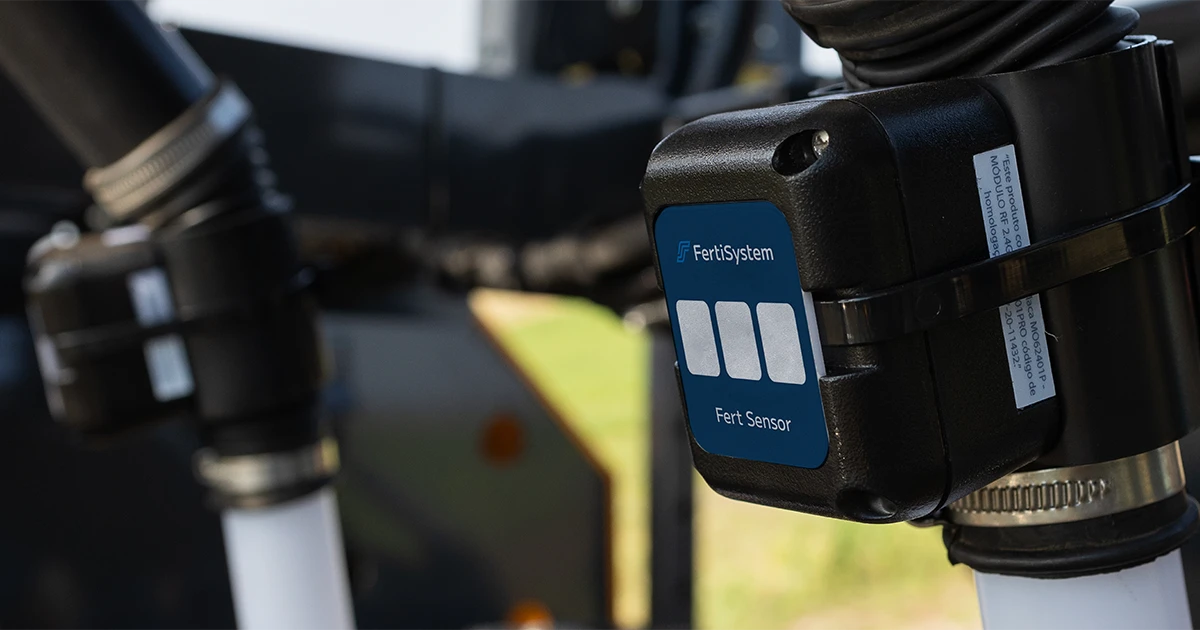
Boost Your ROI with the Right Fertilizer Placement System
When it comes to fertilizer application, efficiency is about placing it accurately, consistently, and without waste. Traditional fertilizer systems often rely on guesswork and post-season evaluation, which can quietly eat away at your return on investment.
» Read more about: Boost Your ROI with the Right Fertilizer Placement System »
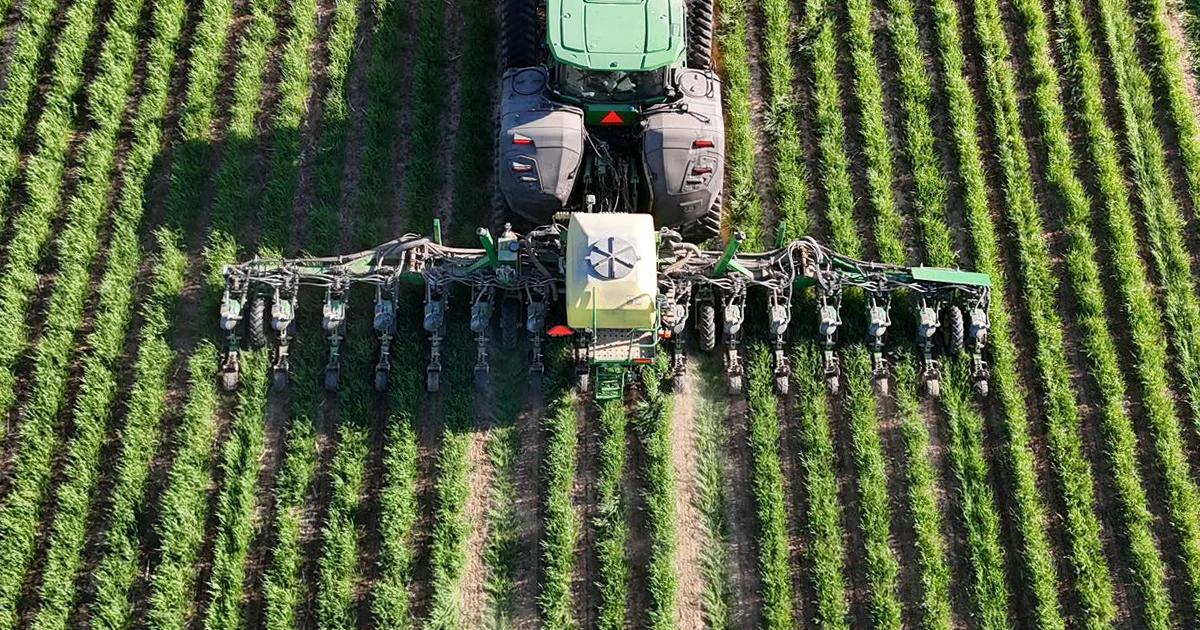
Why Closing Wheel Design Matters More Than You Think?
A lot of planting conversations focus on what happens at the front of the row unit: openers, downforce, seed delivery, row cleaners.
But what happens at the back can have just as much impact on how the crop gets started.
» Read more about: Why Closing Wheel Design Matters More Than You Think? »
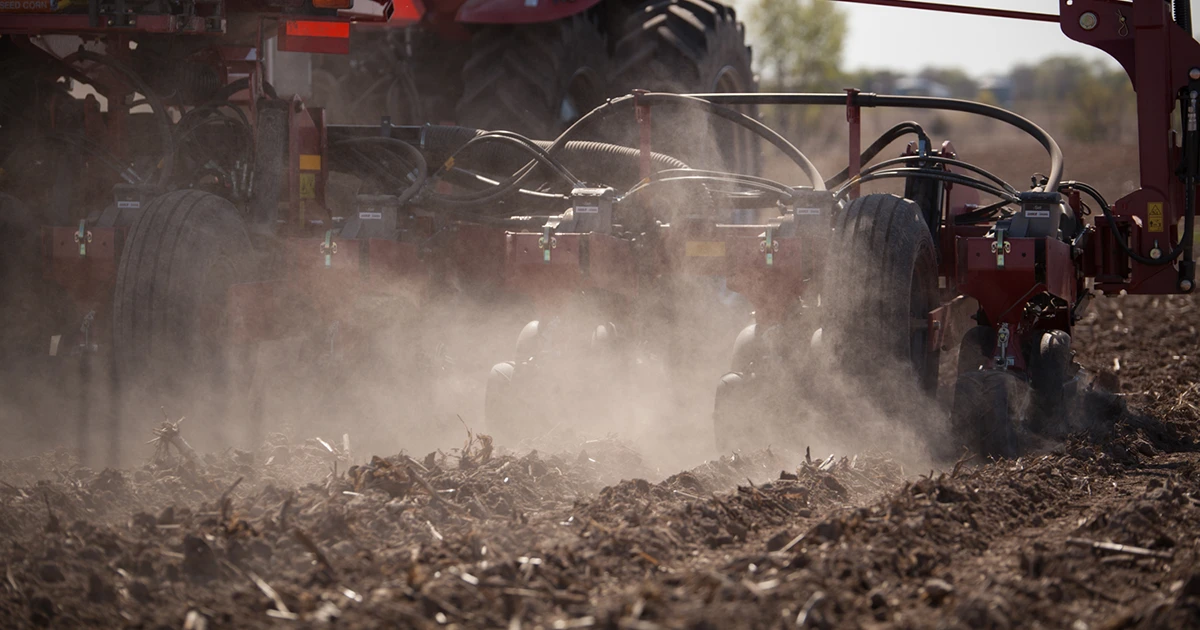
Does a Cast Closing Wheel Help Reduce Row Unit Bounce?
When growers think about row unit bounce, they usually think about speed, field roughness, downforce, row cleaner setup and gauge wheel contact. But the closing system can also play a role in how consistently the row unit performs through changing field conditions.
That raises a fair question: Does a cast closing wheel help reduce row unit bounce?
» Read more about: Does a Cast Closing Wheel Help Reduce Row Unit Bounce? »
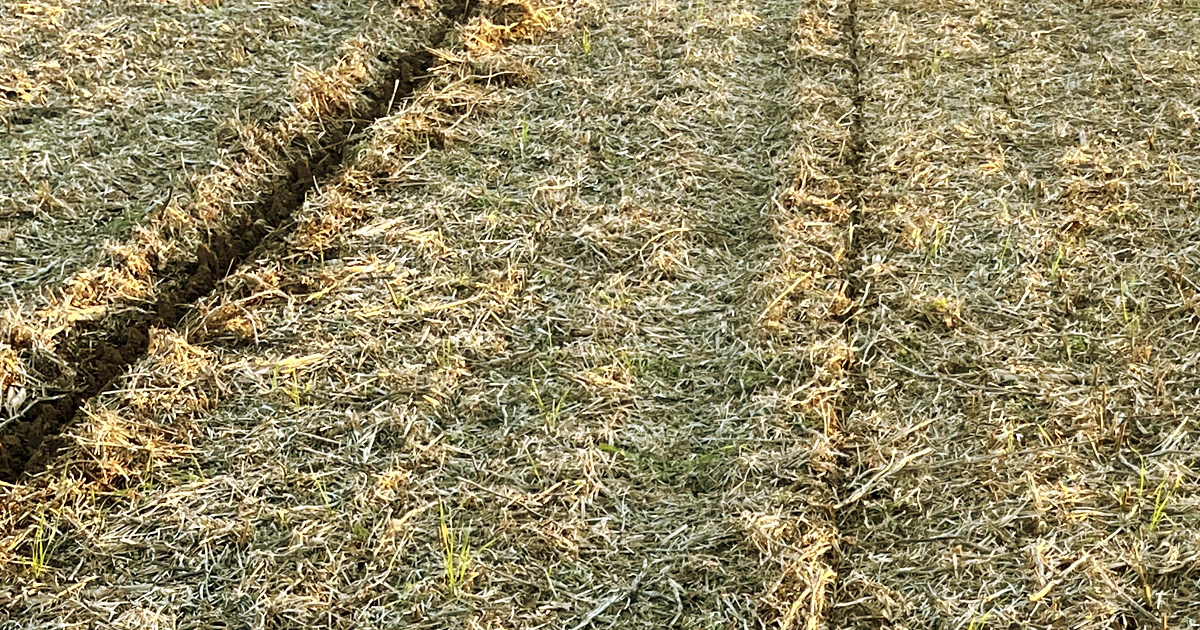
How the fCrusher Helps With Sidewall Compaction
Sidewall compaction is one of those planting problems that can quietly affect performance without always being obvious from the cab.
The trench may look closed from the surface, but underneath, the sidewall can still be tight, smooth, and difficult for roots to push through.
» Read more about: How the fCrusher Helps With Sidewall Compaction »

Want Better Emergence? Start at the Furrow
When growers talk about emergence, the conversation usually turns to weather, soil temperature, moisture and seed placement. And all of those matter. But one thing that often gets overlooked is what happens after the seed is placed.
» Read more about: Want Better Emergence? Start at the Furrow »
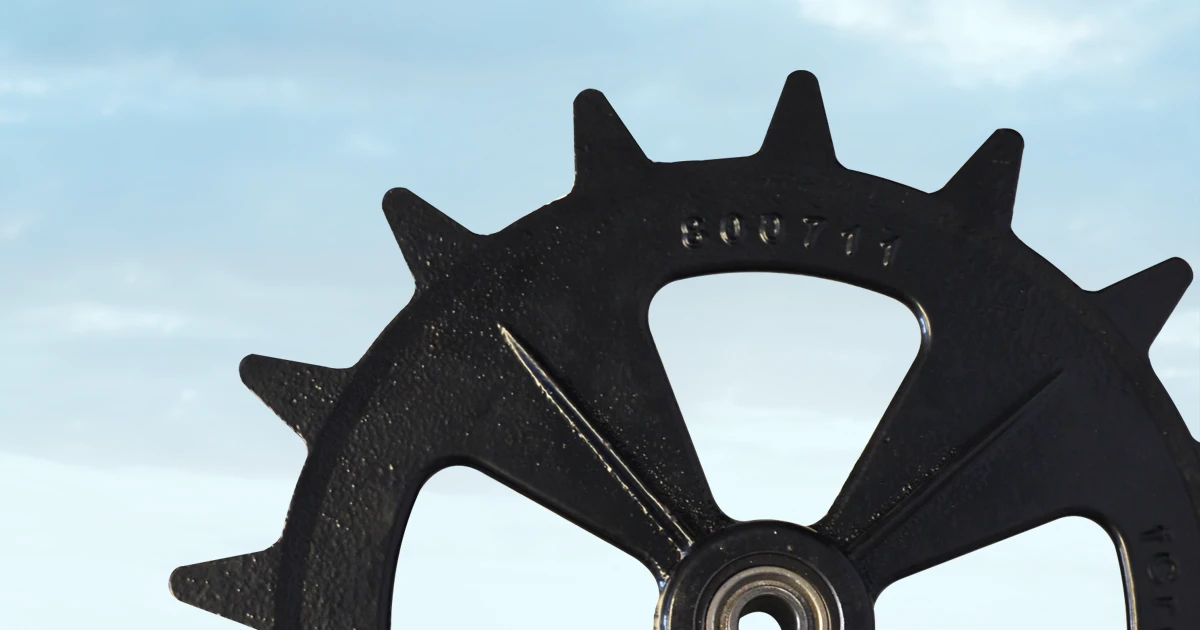
Why Use a Spiked Closing Wheel?
Planting success starts with what happens in the furrow.
And while seed depth, downforce, and residue management all get a lot of attention, one part of the planter often gets overlooked: the closing wheel.
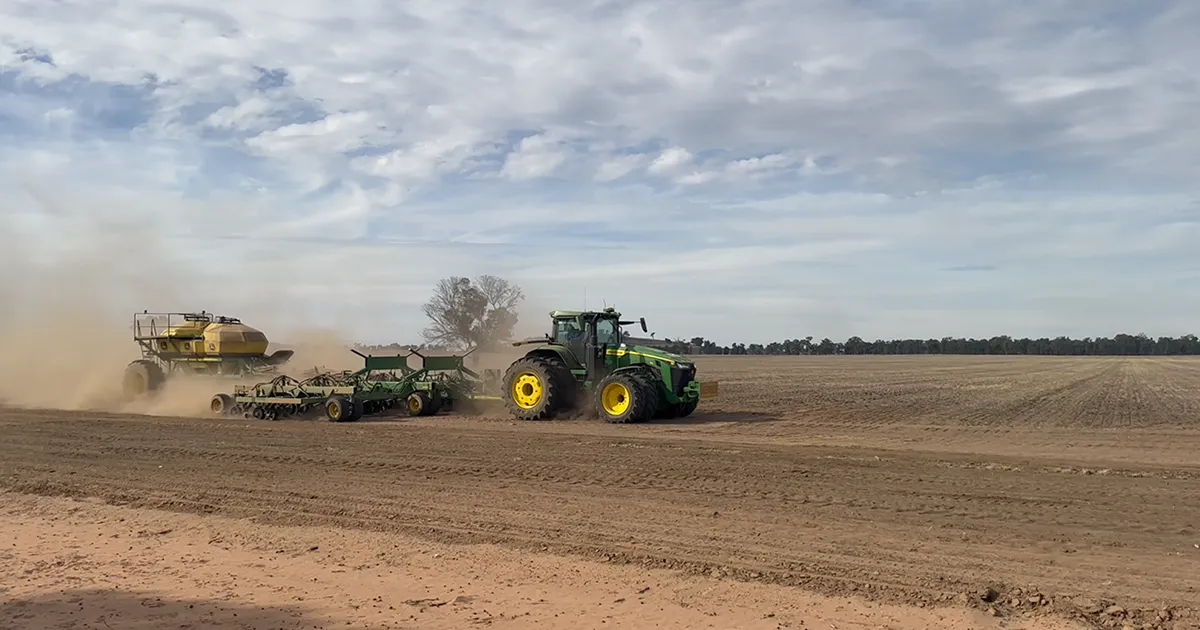
How to Cut Rebuild Time in Half on Your Air Seeder
When seeding windows are tight, every hour in the shop matters. But for many operators, rebuilding an air seeder turns into a frustrating process of seized bolts, worn components, and parts that just don’t go back together the way they should.
It’s not just bad luck. It’s the result of wear points that weren’t built to last.
» Read more about: What’s Slowing Down Your Air Seeder Rebuild? »
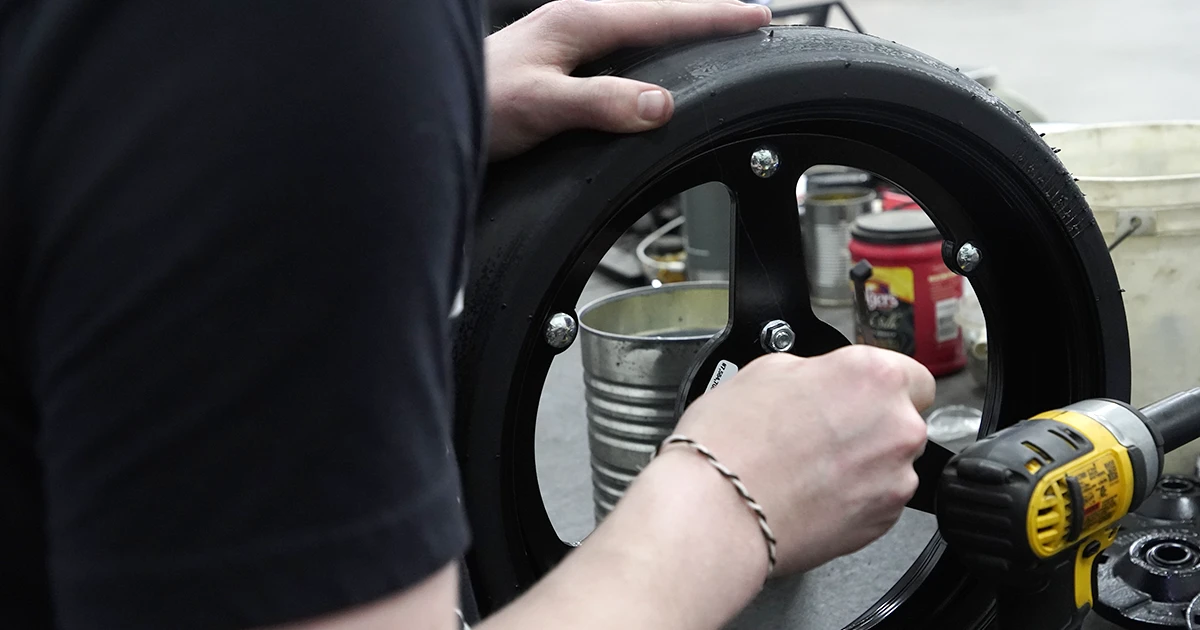
The Science Behind Seed Depth: How Gauge Wheels Impact Germination
When it comes to crop establishment, few factors are as overlooked as seed depth. Even small inconsistencies can lead to uneven emergence, delayed growth, and ultimately reduced yields. While many growers focus on seed genetics or fertilizer programs, the reality is that consistent seed placement starts with one key component on your planter: the gauge wheel.
» Read more about: The Science Behind Seed Depth: How Gauge Wheels Impact Germination »
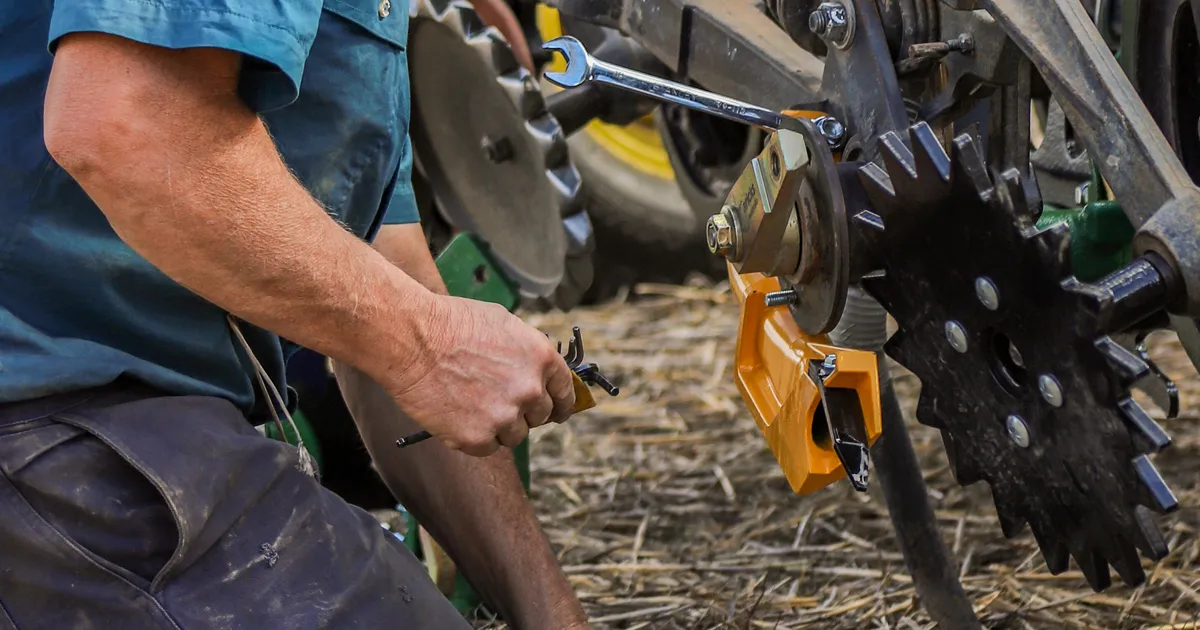
When it comes to drill maintenance, most farmers know the basics: grease regularly, check wear parts, and keep things tight. But some of the most common “shortcuts” or assumptions about maintenance can quietly cost you yield, time, and money over the long run.
Let’s break down a few of the biggest myths and where your effort actually pays off.
» Read more about: Drill Maintenance Myths – What’s Actually Worth Your Time »
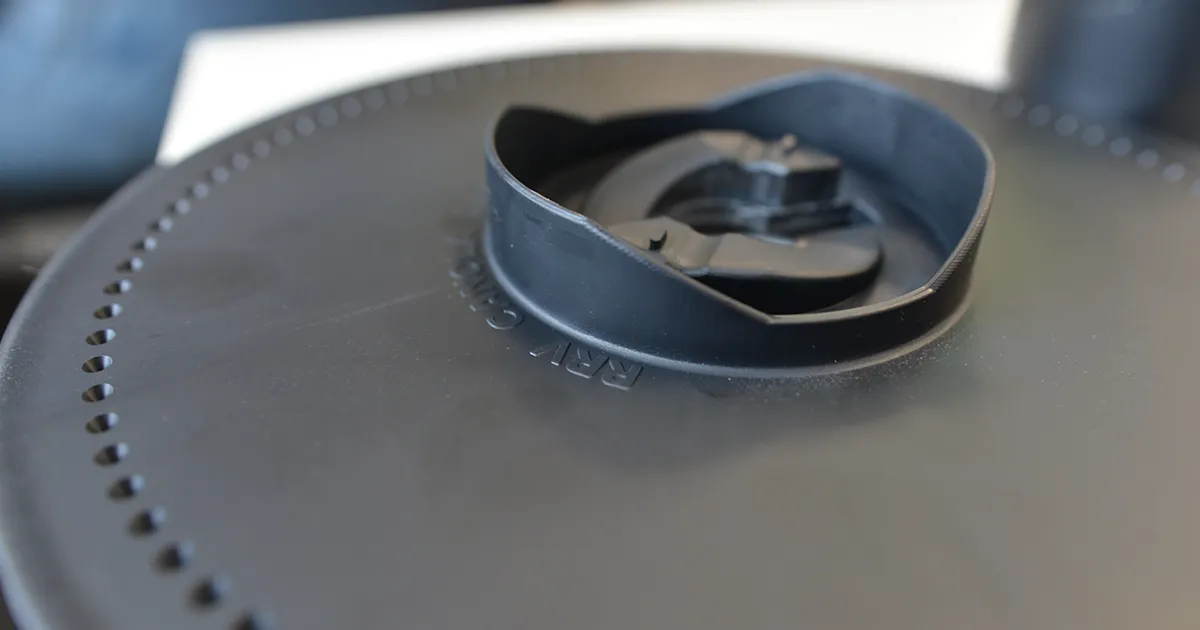
Stop Wasting Seed! How the RRV Seed Disk Prevents Leaks and Saves You Money
When you’re planting small seeds like canola or sesame, every seed counts. But what many growers don’t realize is just how much seed is quietly lost inside the meter itself. Leaks, poor sealing, and improper singulation can all lead to wasted seed.
That’s where the RRV Seed Disk changes the game.
» Read more about: Stop Wasting Seed! How the RRV Seed Disk Prevents Leaks and Saves You Money »
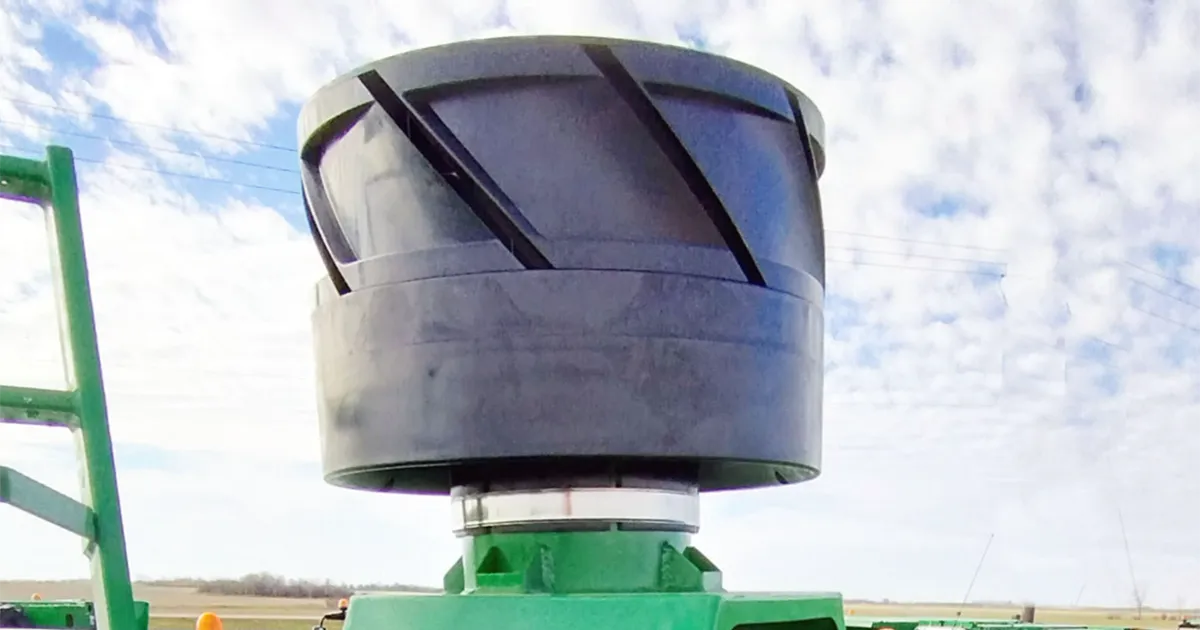
Not Just For Combines: The Industrial Power of the KAS Pre-Cleaner
Dust is one of the biggest enemies of any engine. Whether you’re harvesting crops, loading trucks with a skid steer, or running heavy equipment on a construction site, dirty air can quickly plug filters and slow machines down.
» Read more about: Not Just For Combines: The Industrial Power of the KAS Pre-Cleaner »
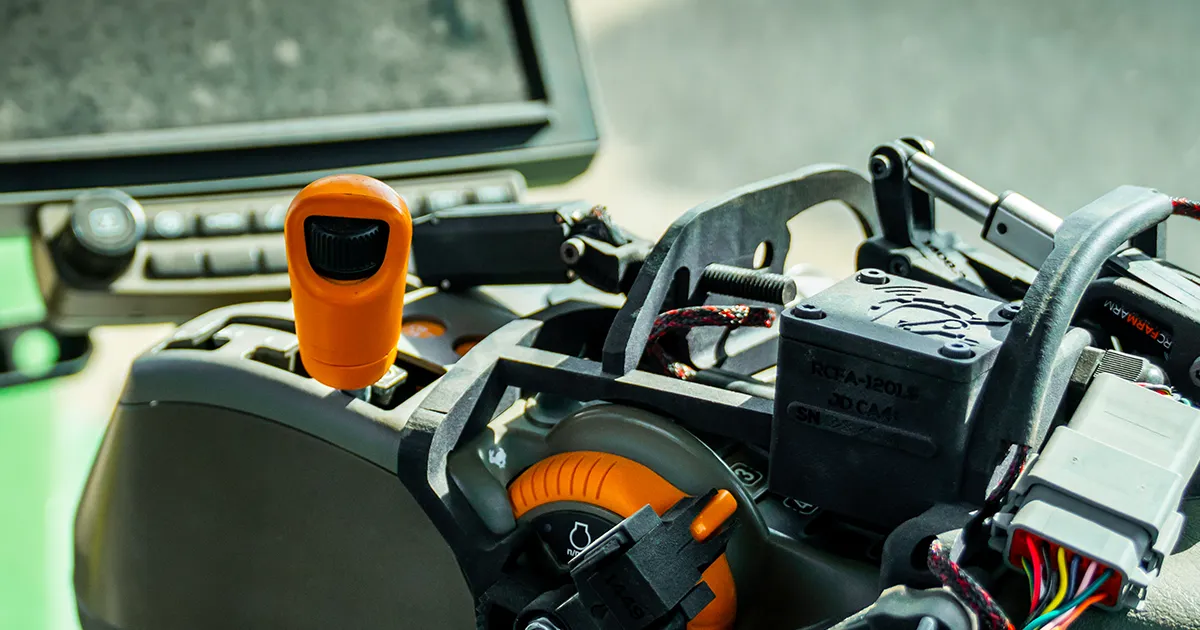
A question we hear often is: “Does it work for bagging grain?” The short answer: Yes, and it’s especially well-suited for that type of stationary work.
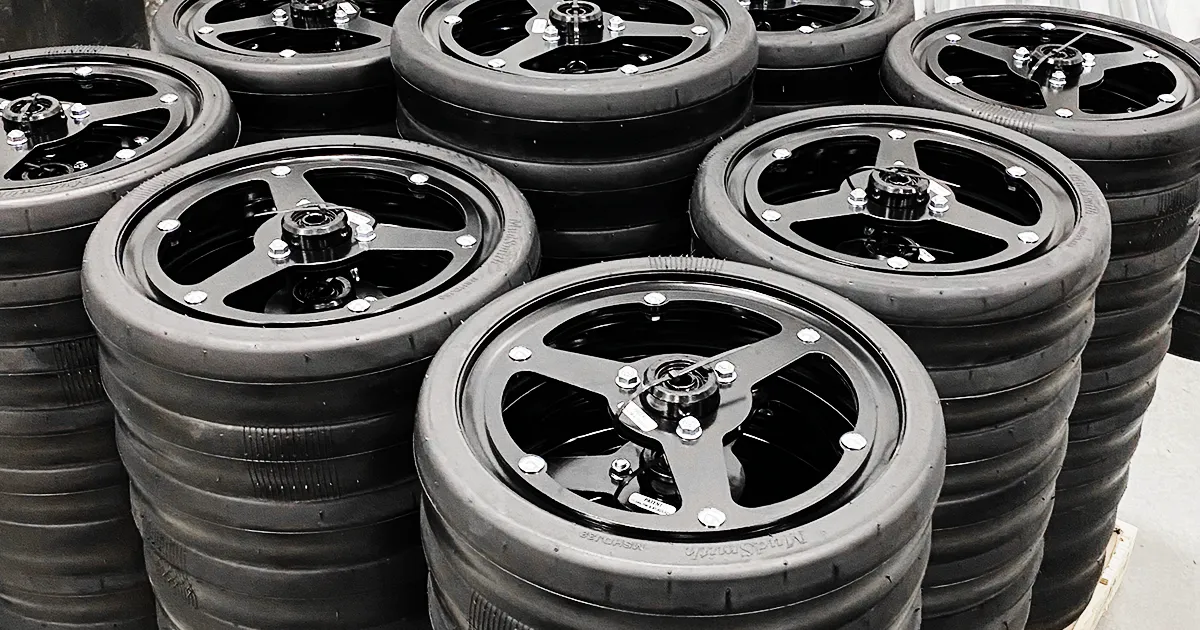
How to Extend the Life of Your Gauge Wheels (And When to Replace Them)
Gauge wheels may not get much attention, but they play a big role in planting accuracy. Their job is simple: keep the row unit riding at the right height so seed depth stays consistent across the field.
When gauge wheels start to wear out, that consistency disappears.
» Read more about: How to Extend the Life of Your Gauge Wheels (And When to Replace Them) »
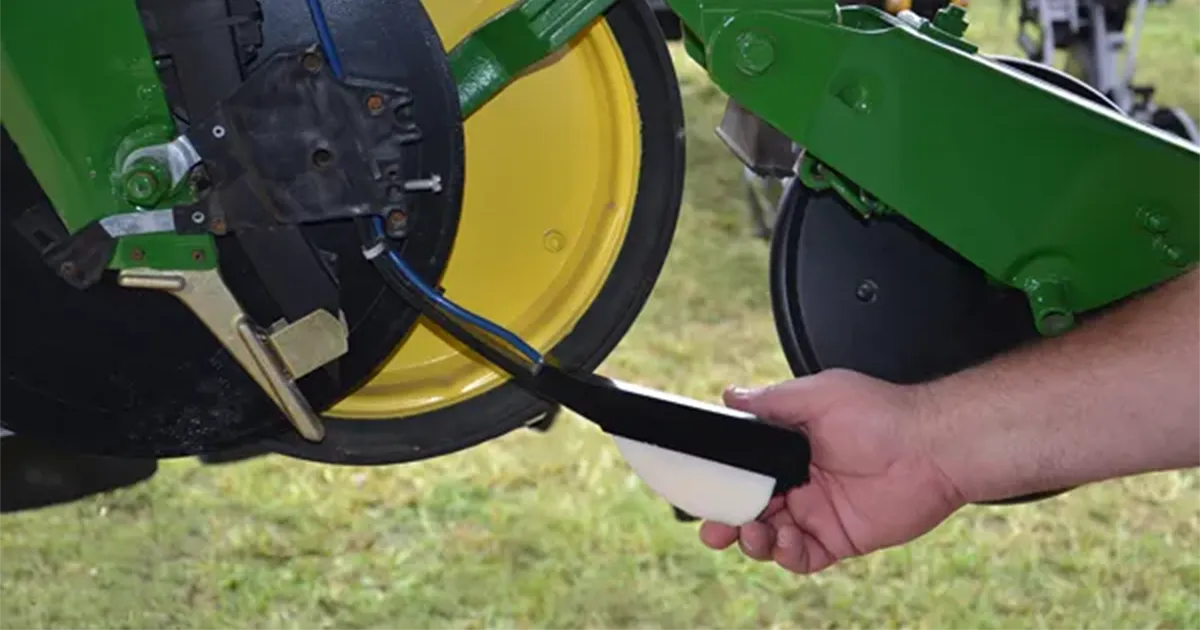
“Can I Use My Existing Brackets?” Everything You Need to Know About Flo-Rite Compatibility
One of the most common questions farmers ask when looking at Flo-Rite Seed Firmers is simple: “Will this work with the brackets I already have?”
The good news is that in most cases, the answer is yes.
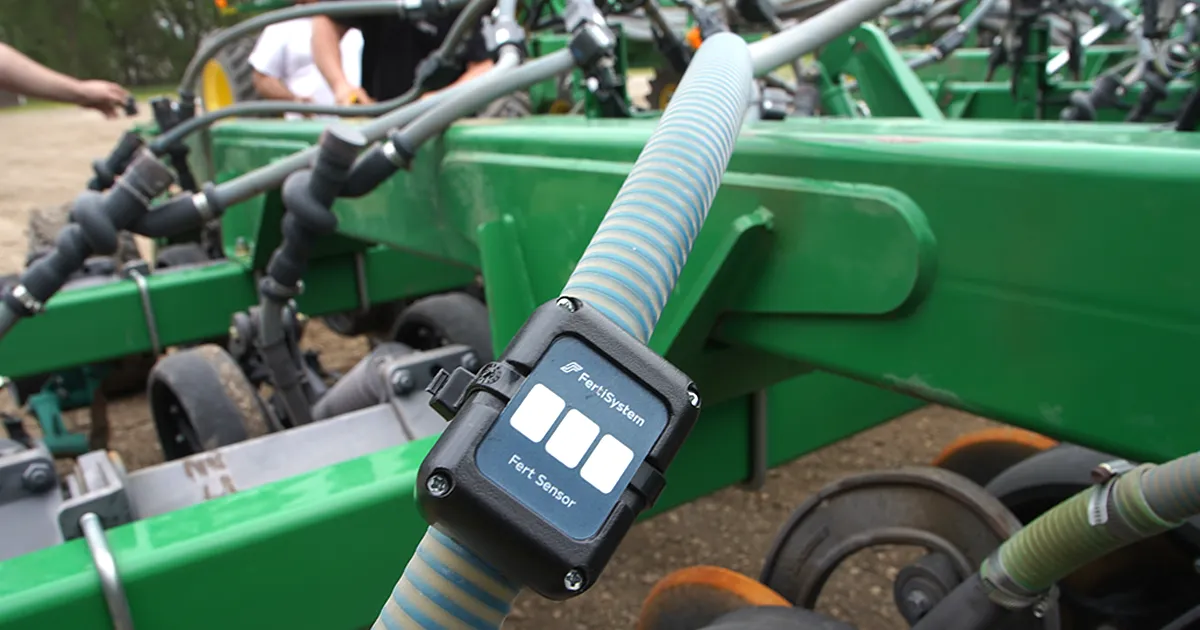
5 Signs Your Fertilizer System Needs Attention Before Planting
When planting season arrives, the last thing you want is to discover fertilizer problems halfway through the field. Blocked lines or worn components can create streaks across the crop that show up weeks later. By then, it’s too late to fix.
A quick inspection before the season starts can save a lot of headaches. Here are five signs your fertilizer system may need attention before you start planting.
» Read more about: 5 Signs Your Fertilizer System Needs Attention Before Planting »
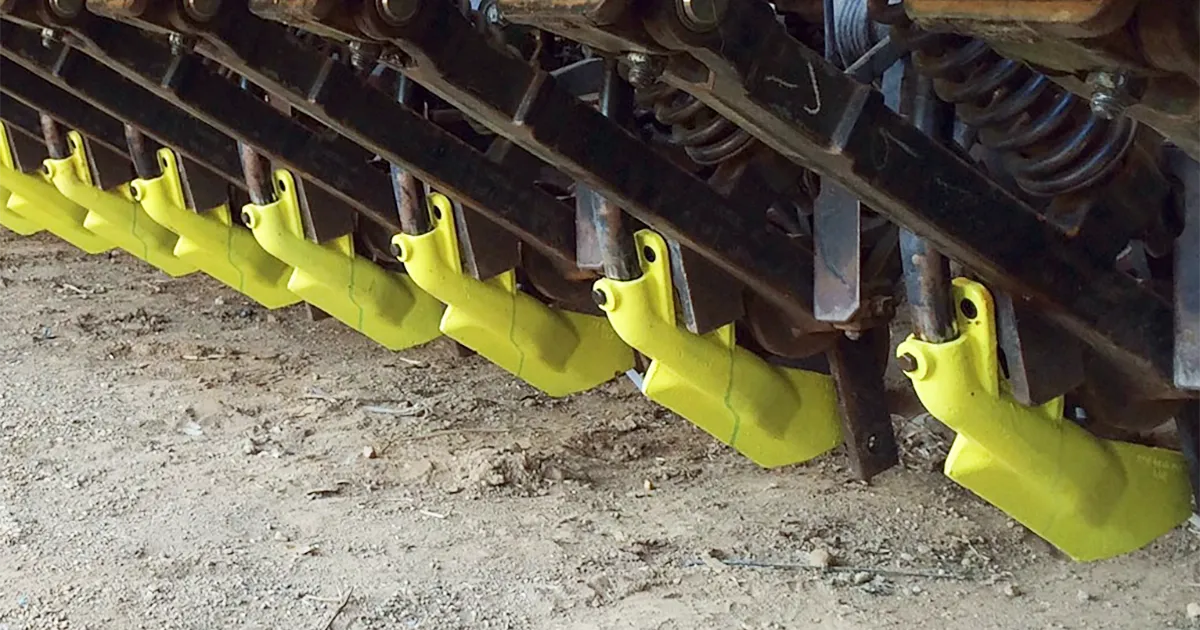
When it comes to planting, everyone talks about openers, seed depth, and down pressure. But one small part that often gets overlooked is the seed boot.
It may not seem like a big deal, but a worn or loose seed boot can quietly cause problems with seed placement across the entire field.
» Read more about: Why Seed Boot Play Matters More Than You Think »
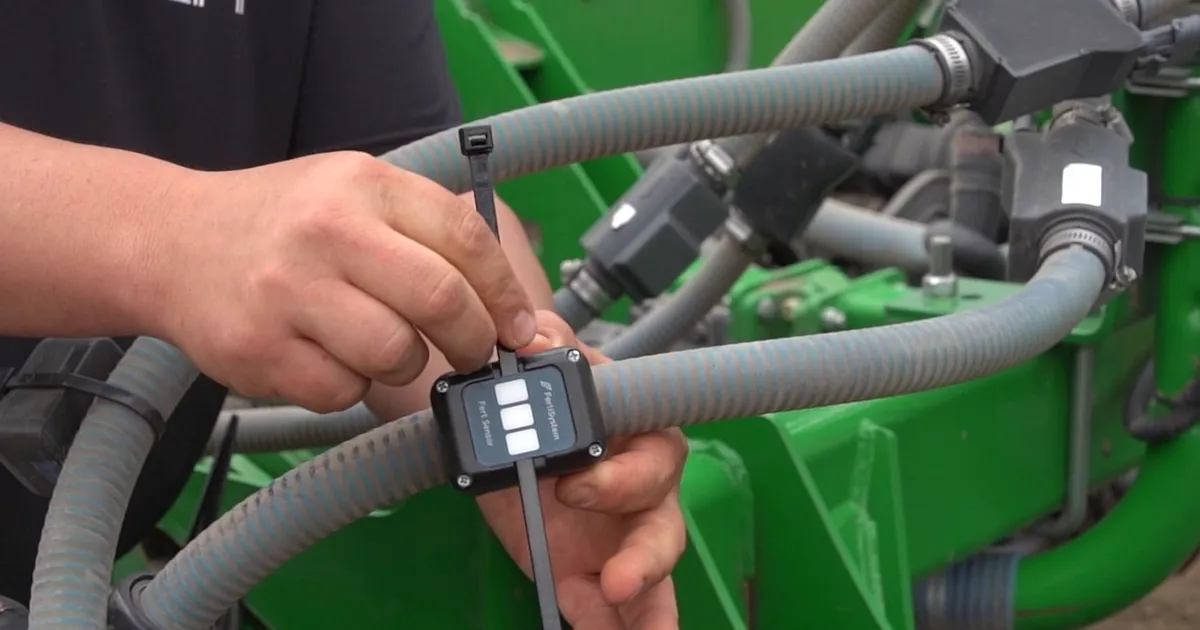
Why Fertilizer Flow Consistency Matters More Than You Think
When it comes to crop production, fertilizer placement often doesn’t get the same attention as seed placement. But if fertilizer isn’t flowing evenly across every run, it can quietly hurt your crop before you even notice.
» Read more about: Why Fertilizer Flow Consistency Matters More Than You Think »
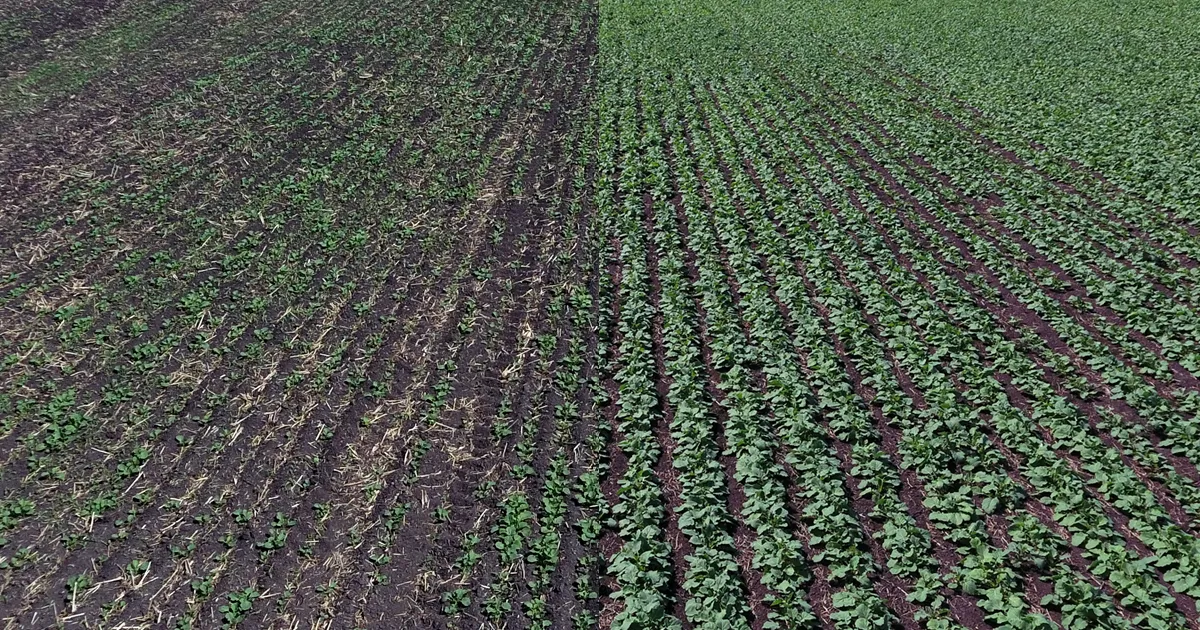
Lower Your Seed Costs Without Sacrificing Performance
Seed isn’t cheap. For many farmers growing canola, it’s one of the biggest input costs each season. The challenge is finding ways to lower those costs without hurting your stand or your yield potential.
» Read more about: Lower Your Seed Costs Without Sacrificing Performance »
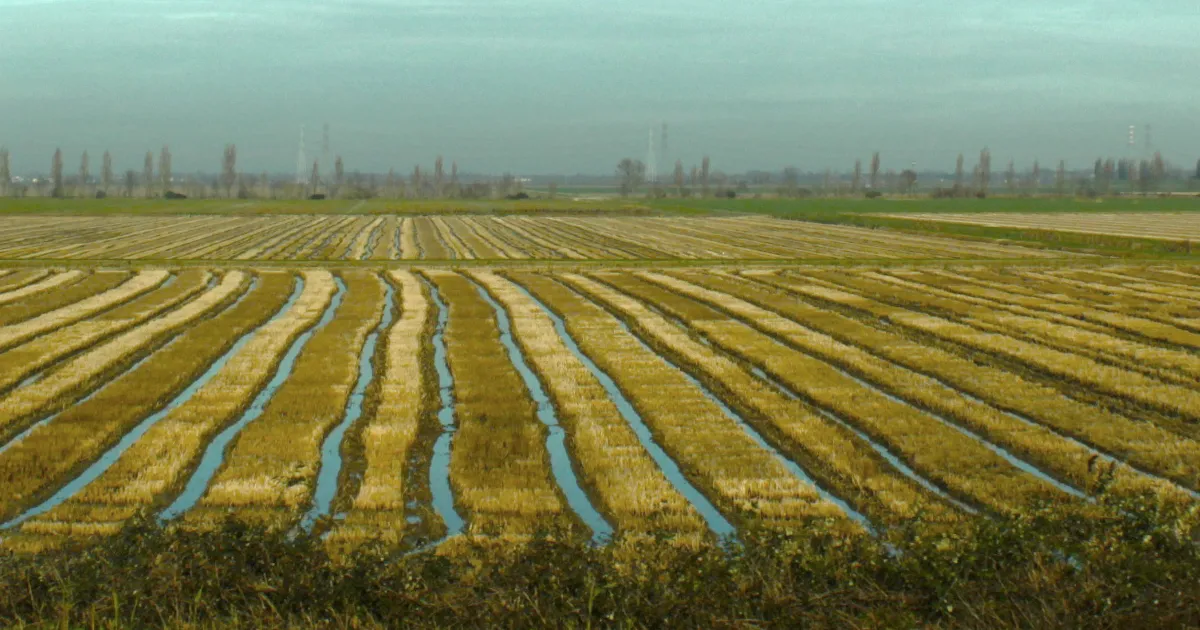
Planting in Wet Conditions? Why Your Gauge Wheels Matter More than You Think
Every farmer knows the pressure of planting season. The window is short, the weather rarely cooperates, and when the soil is just dry enough to go, you want to keep the planter moving.
» Read more about: Planting in Wet Conditions? Why Your Gauge Wheels Matter More than You Think »
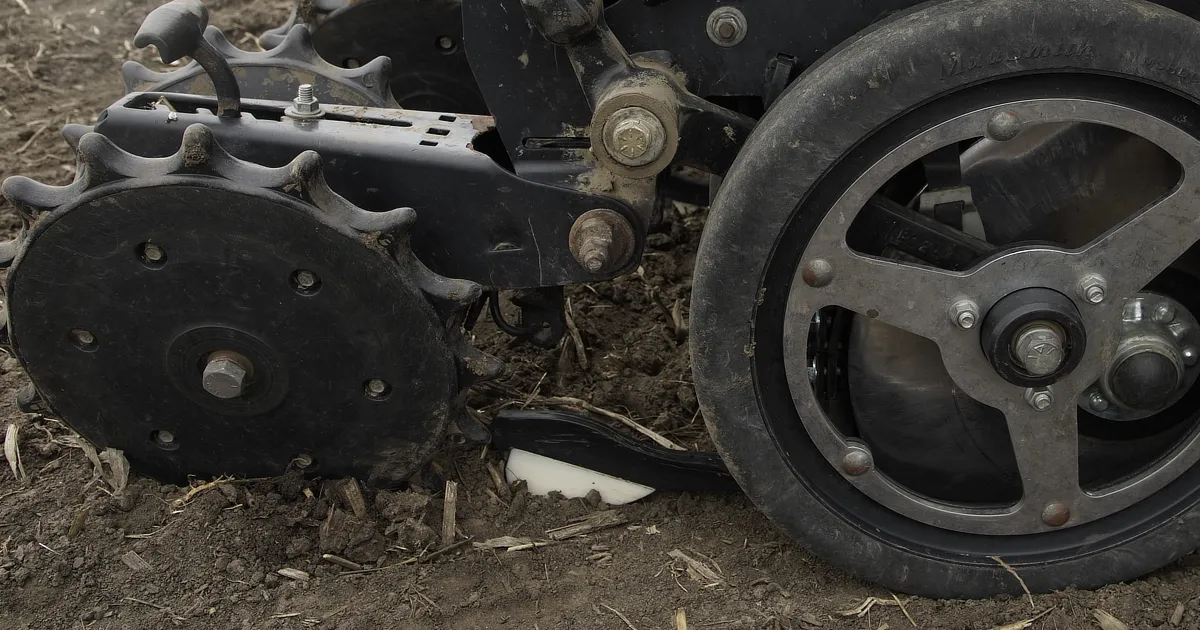
Keep Your Fertilizer Tip Clean: The Secret to Preventing Clogs
When you’re planting, consistency matters. You want every seed placed properly and every drop of fertilizer delivered where it belongs. But if your fertilizer tip gets clogged with dirt or crop debris, that consistency can disappear quickly.
» Read more about: Keep Your Fertilizer Tip Clean: The Secret to Preventing Clogs »
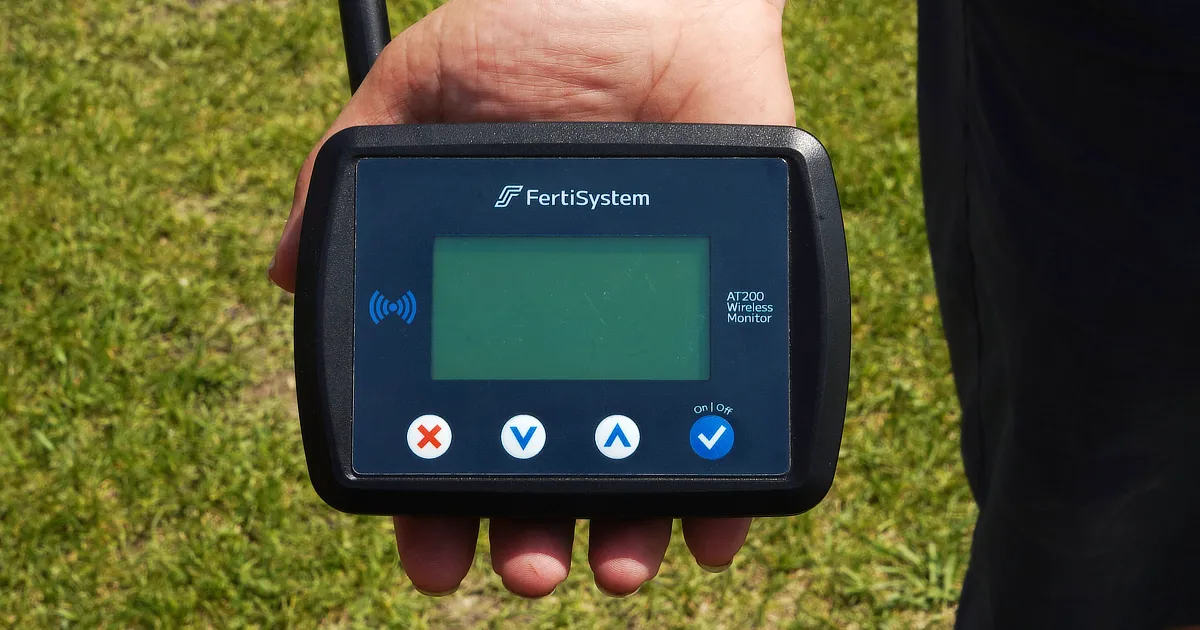
When a Blockage Monitor Isn’t Enough: What Real Blockage Monitoring Should Do
Most farms already run some type of blockage monitor.
And to be fair, many of them work well, especially when they are new. They detect a plugged line, trigger an alarm, and let you know something needs attention. That is a good start.
» Read more about: When a Blockage Monitor Isn’t Enough: What Real Blockage Monitoring Should Do »
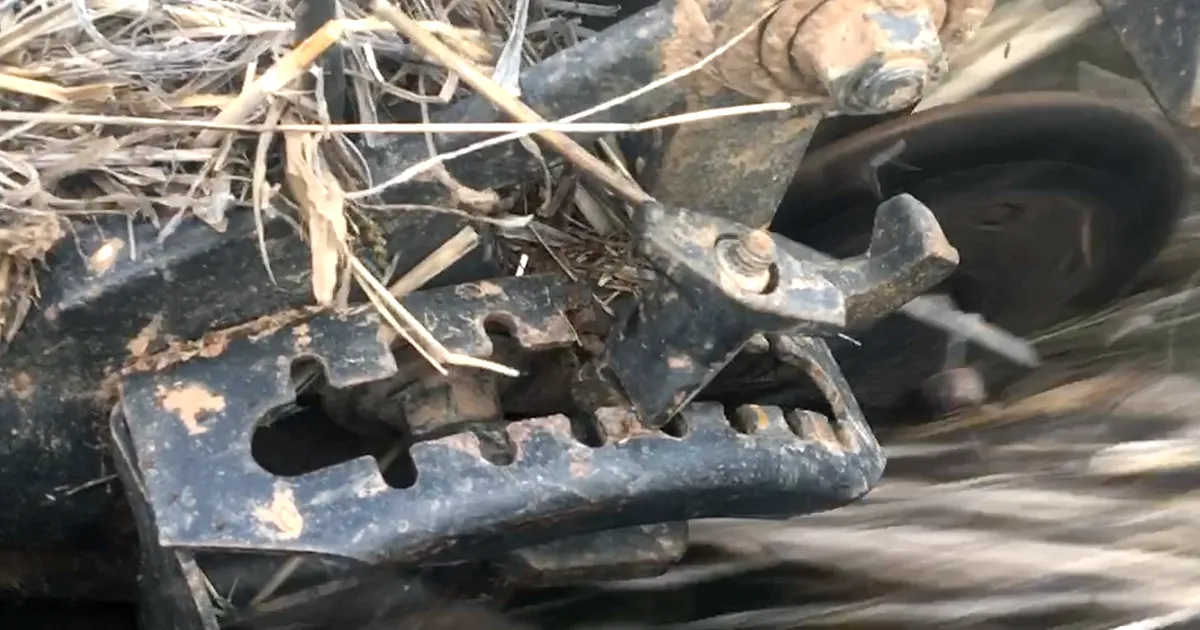
When emergence is uneven, most operators look at openers, seed boots, or downforce. But sometimes the issue starts with two small components that rarely get attention: the cover plate and T-handle.
» Read more about: The Impact of Loose T-Handles & Cover Plates on Your Seeding Accuracy »
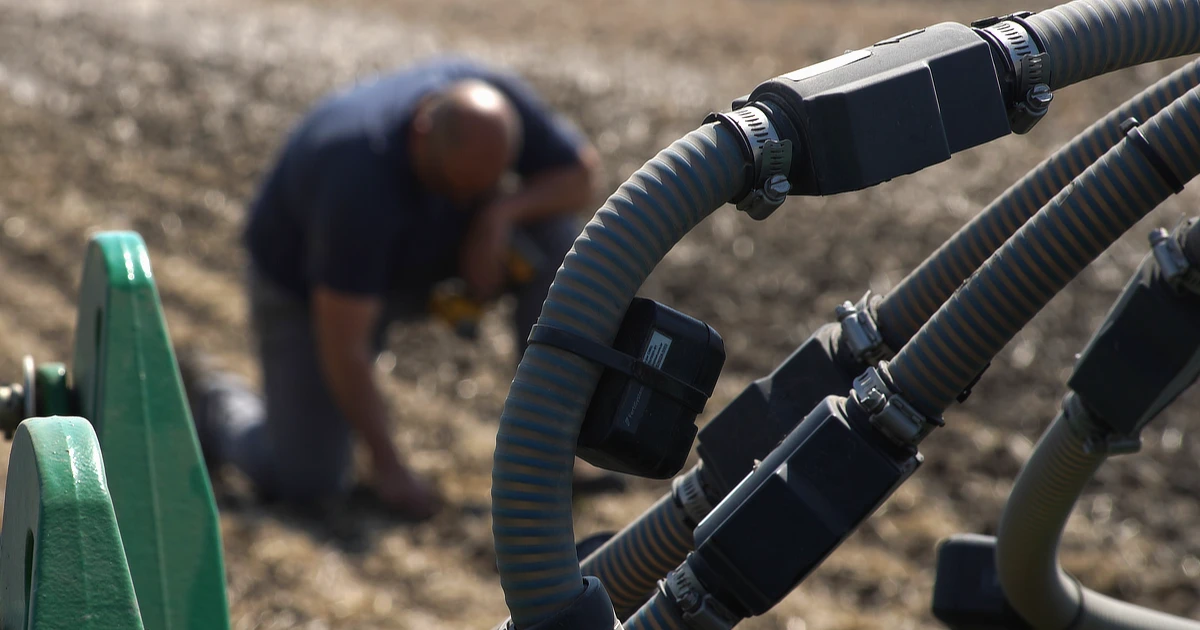
Why the FertiSystems AT200 Display and Fert Sensor Stand Out from Other Blockage Monitoring Systems
Most farms already know they need some form of blockage monitoring. The question is not whether you should monitor product blockages. The question is how accurately and reliably your system is actually doing it.
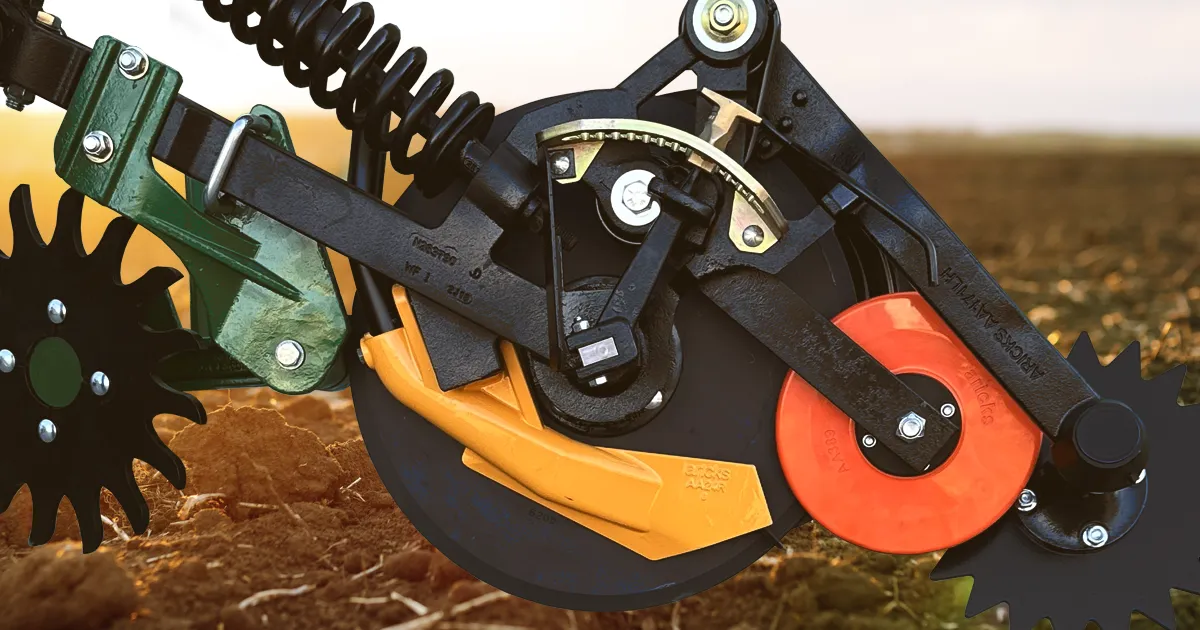
Planting windows are tight. When conditions are right, every hour counts. The best way to avoid downtime in the field is to handle wear and weak points before the season begins.
Here’s a practical, step-by-step checklist to prepare your John Deere air seeder for a smooth start.
» Read more about: Essential Pre-Season Checklist for Your John Deere Air Seeder »
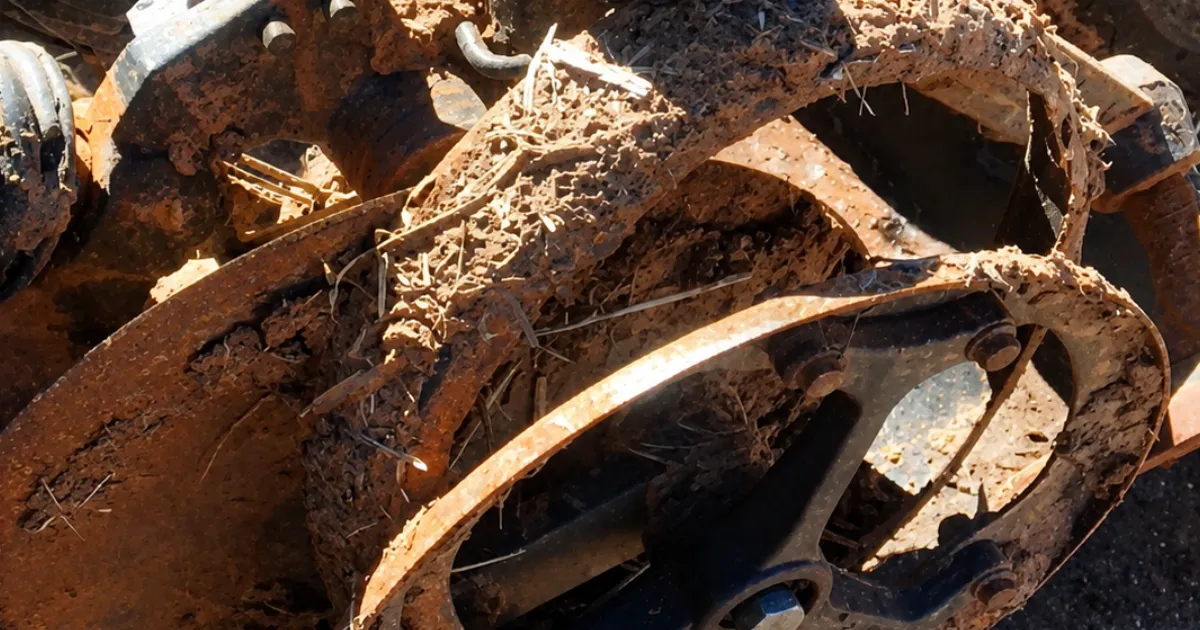
The Real Cost of Cheap Gauge Wheels (And Why MudSmith Pays Off)
Successful planting doesn’t start with technology. It starts with consistent seed depth, which depends heavily on your gauge wheels.
They’re easy to overlook. Until they fail.
» Read more about: The Real Cost of Cheap Gauge Wheels (And Why MudSmith Pays Off) »
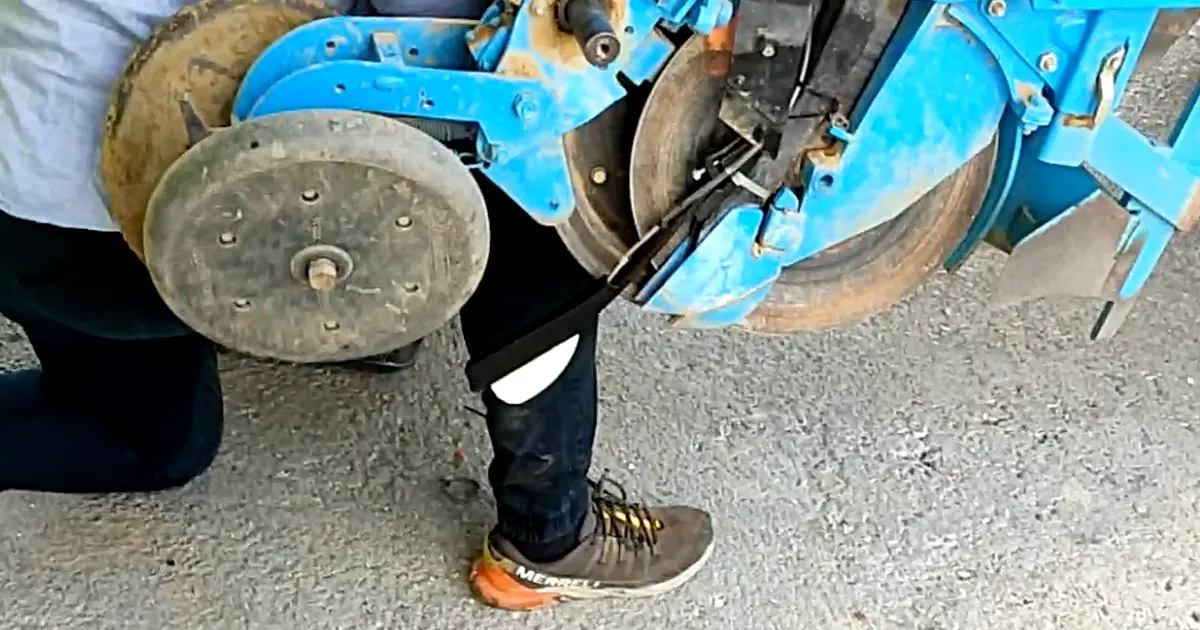
Spring Planting Prep: Is Your Planter Ready for the Best Start?
Spring planting does not reward “good enough.”
You get one chance to place the seed correctly. Depth, spacing, seed-to-soil contact, and nutrient placement all happen in seconds. After that, the crop is on its own.
» Read more about: Spring Planting Prep: Is Your Planter Ready for the Best Start? »
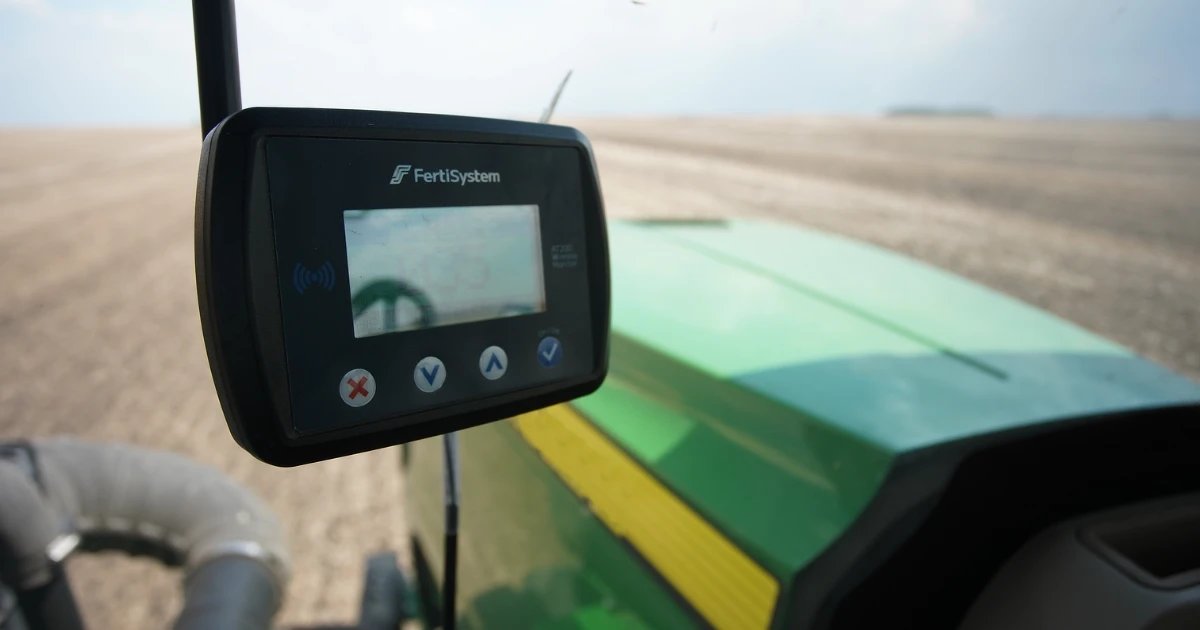
Everything You Need to Know About the FertiSystems AT200 Display and Fert Sensor
When you’re putting product in the ground, guesswork is not an option.
Whether you’re seeding cereals, canola, peas, lentils, or applying fertilizer through your air seeder, you need to know that product is flowing consistently through every run. Not “it should be fine.” Not “it worked yesterday.” You need to see it.
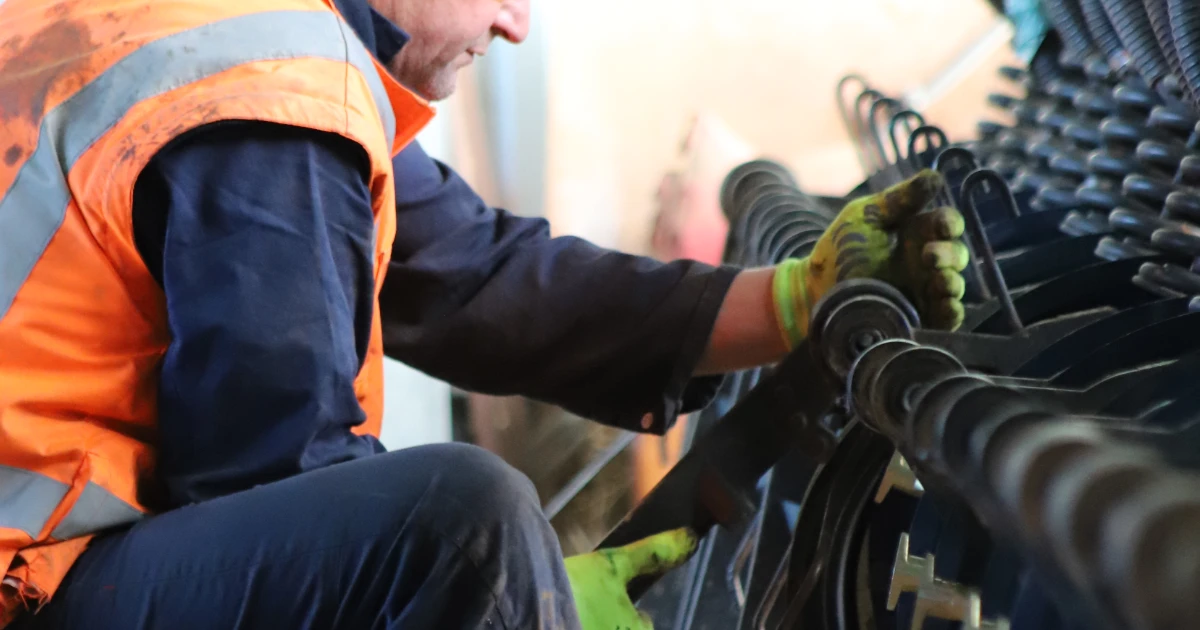
When you’re in the middle of seeding, the last thing you need is unexpected downtime.
John Deere air seeders and air disc drills operate in demanding conditions, including heavy residue, abrasive soils, dust, and long acres. Over time, wear tends to show up in predictable places: closing wheel systems, bushings, and pivot points that absorb constant pressure and vibration.
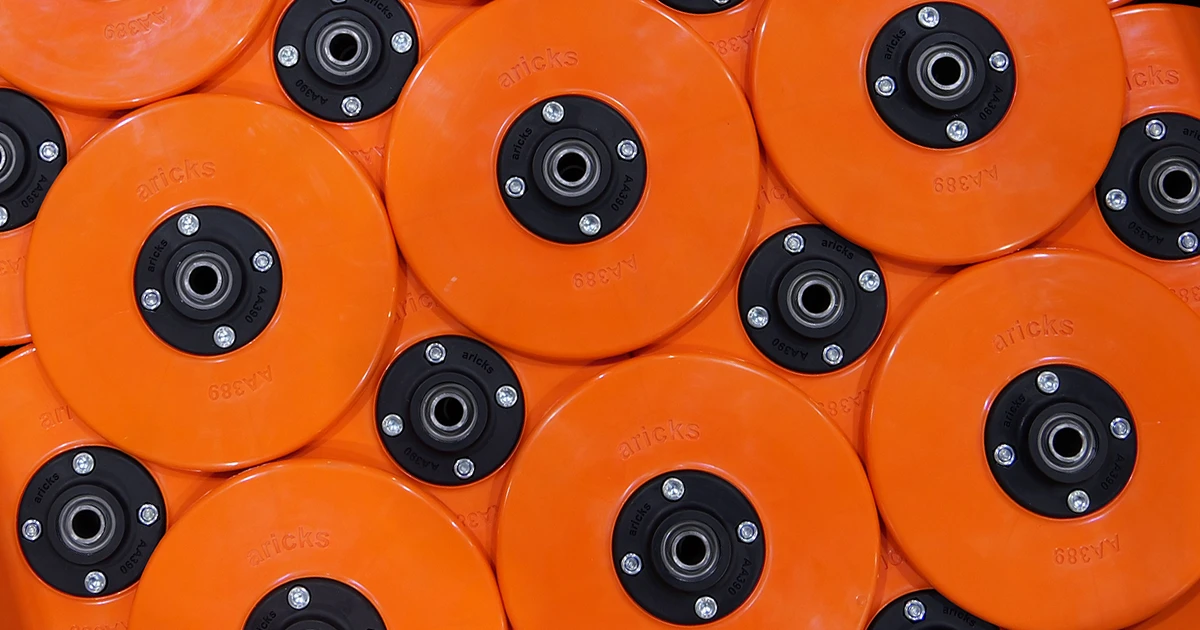
When it comes to successful crop establishment, seed depth consistency is one of the most important, and often overlooked, factors in modern farming. Uneven placement leads to uneven emergence, which ultimately creates competition within the crop row.
» Read more about: Avoiding Uneven Seed Depth: Key Upgrades for Better Germination »
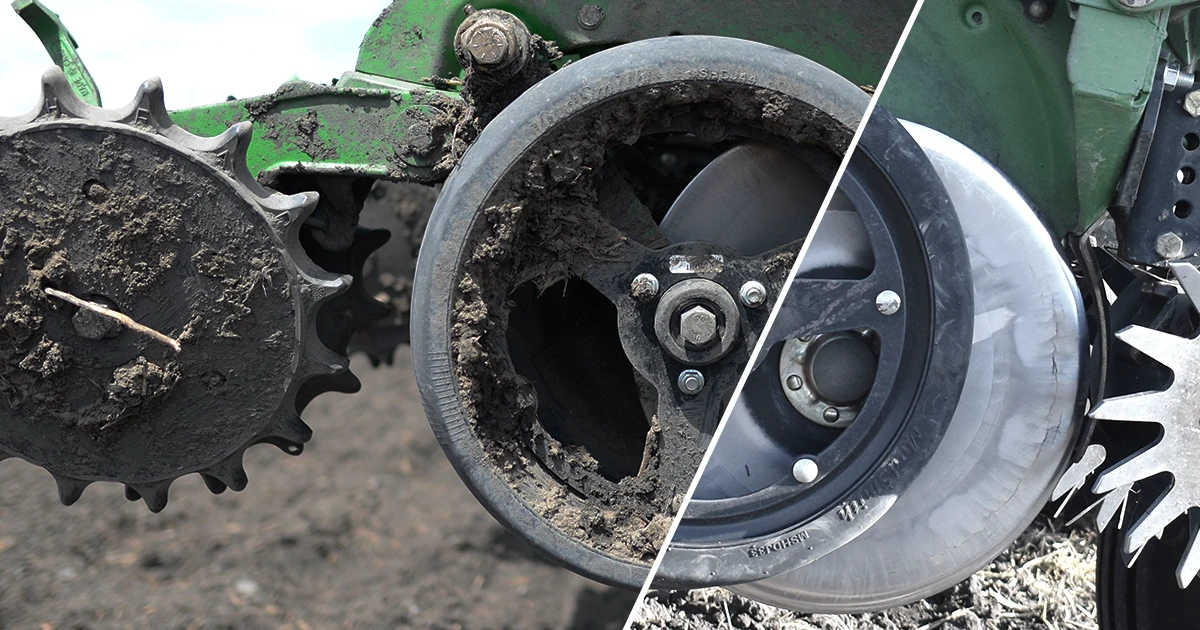
Why MudSmith Gauge Wheels Are the Best Investment for Planting Accurately
Successful planting doesn’t start with seed, fertilizer, or technology, it starts with consistent seed depth, and that depends heavily on your gauge wheels. While many growers focus on monitors, row cleaners, and closing systems, the gauge wheel often gets overlooked. Yet, when it fails, due to plugging, wobbling, bouncing, or premature wear, your seed placement suffers, emergence becomes uneven, and yields take the hit. That’s where MudSmith Spoked Gauge Wheels stand out as one of the smartest upgrades you can make to your planter or drill.
» Read more about: Why MudSmith Gauge Wheels Are the Best Investment for Planting Accurately »

When it comes to successful planting, every component on your drill plays a part, but few have as much direct influence on seed placement as the seed boot. Serving as the final guide before each seed enters the soil, the seed boot helps control placement accuracy, depth consistency, and spacing. When seed boots are worn or loose, seeds can bounce, drift, or drop inconsistently, leading to patchy emergence and lower yield potential.
» Read more about: The Role of Seed Boots in Planting & How to Keep Them in Top Shape »
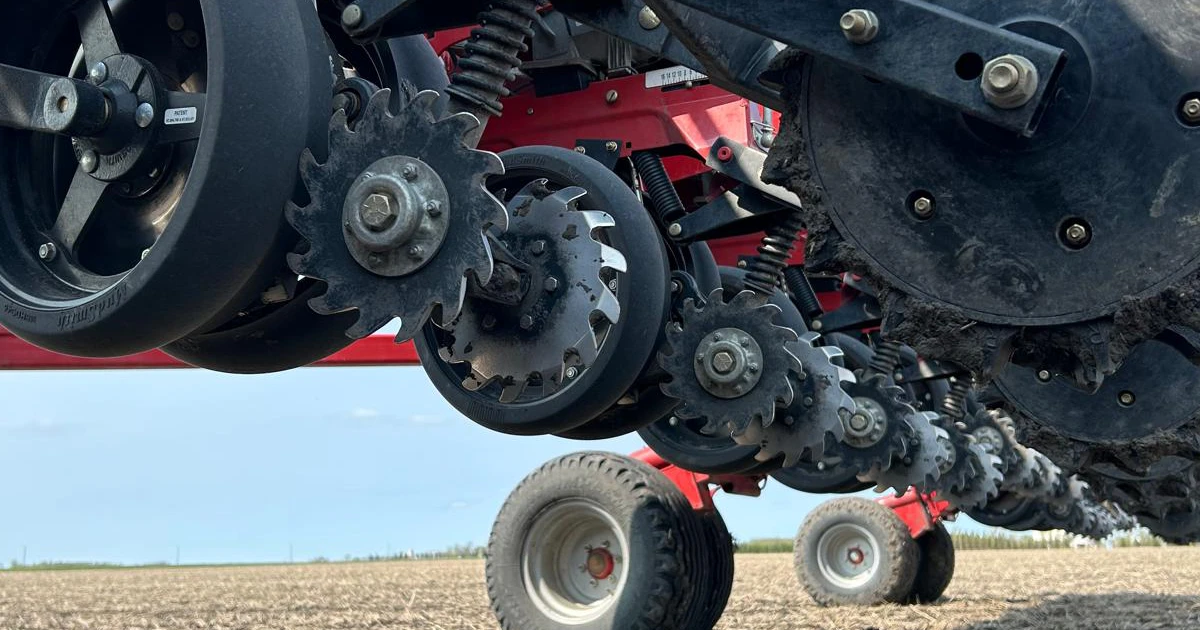
Martin-Till Razor Wheel Residue Clearing Performance: What You Need to Know
The Martin-Till Razor Wheel is a standout product in residue management, specifically designed to cut through heavy residue while maintaining soil integrity. Its innovative design ensures clean and consistent planting conditions even in the most challenging fields. In this article, we will cover its key features and the advantages it offers to modern farming operations.
» Read more about: Martin-Till Razor Wheel Residue Clearing Performance: What You Need to Know »
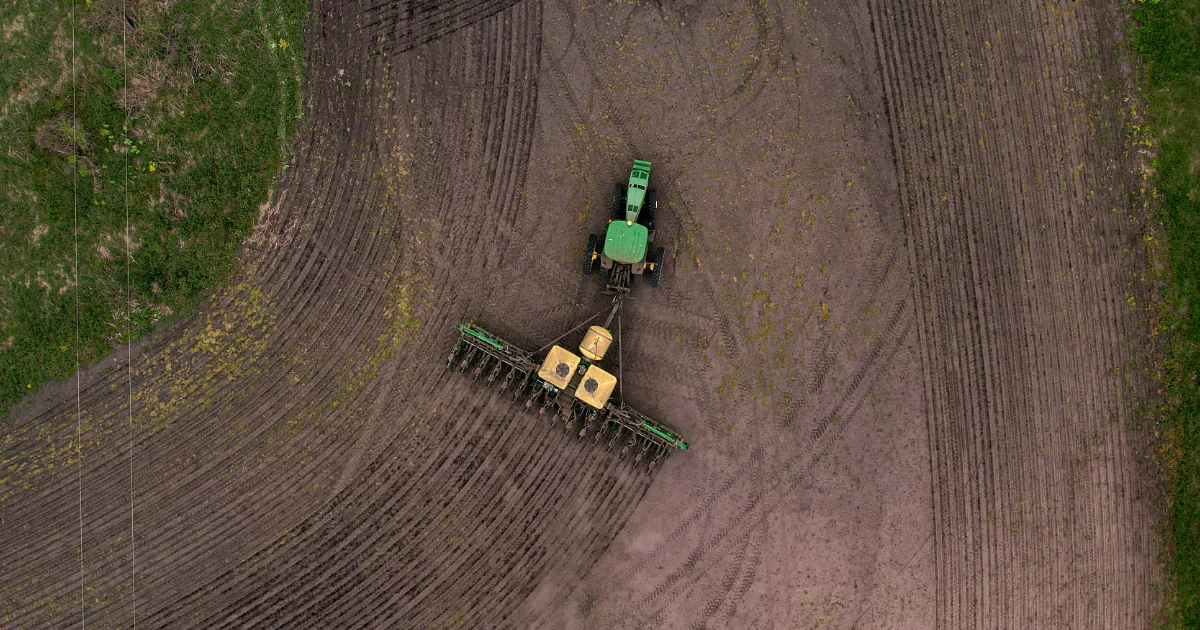
Most farmers don’t think about gauge wheel axles until something starts to wear out. But once they do, the drill doesn’t run the same. A worn axle means the gauge wheel wobbles, the opener doesn’t stay steady, and seed depth gets inconsistent. Shallow here, deep there, pretty soon you can see it in the rows.
» Read more about: How Non-Greasable Gauge Wheel Axles Improve Seeding Accuracy »
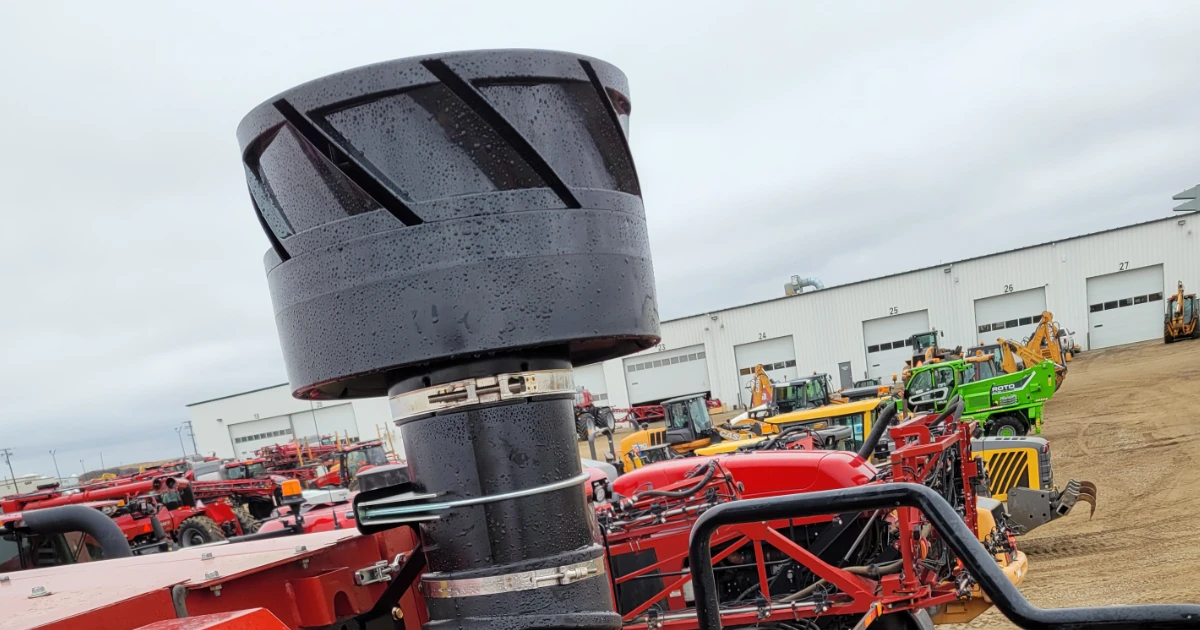
What is the KAS Pre-Cleaner? The Simple Upgrade That Protects Engines, Cuts Costs, and Keeps You Running
Dust always wins. It plugs filters, cuts horsepower, burns more fuel, and shuts machines down at the worst possible time. Whether you’re running a combine, tractor, skid steer, or industrial equipment, dirty air is one of the quietest profit-killers on the farm.
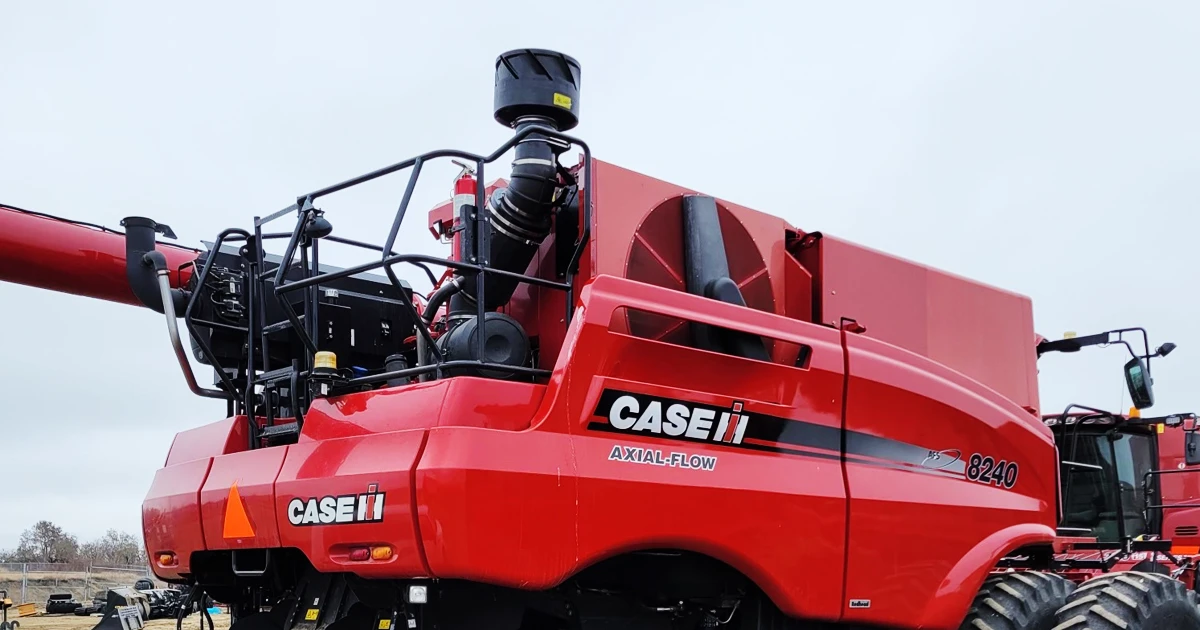
How Long Will My KAS Filter Last?
The KAS Pre-Cleaner is one of those upgrades that pays for itself faster than you expect, and the KAS pre cleaner benefits show up almost immediately. It mounts to your machine’s air intake and spins out debris before it ever reaches your main air filter. That means less restriction, cleaner air to your engine, and far fewer filter changes. It’s a simple, effective way to extend service intervals and keep you running.
Unlike a basic pre-screen,
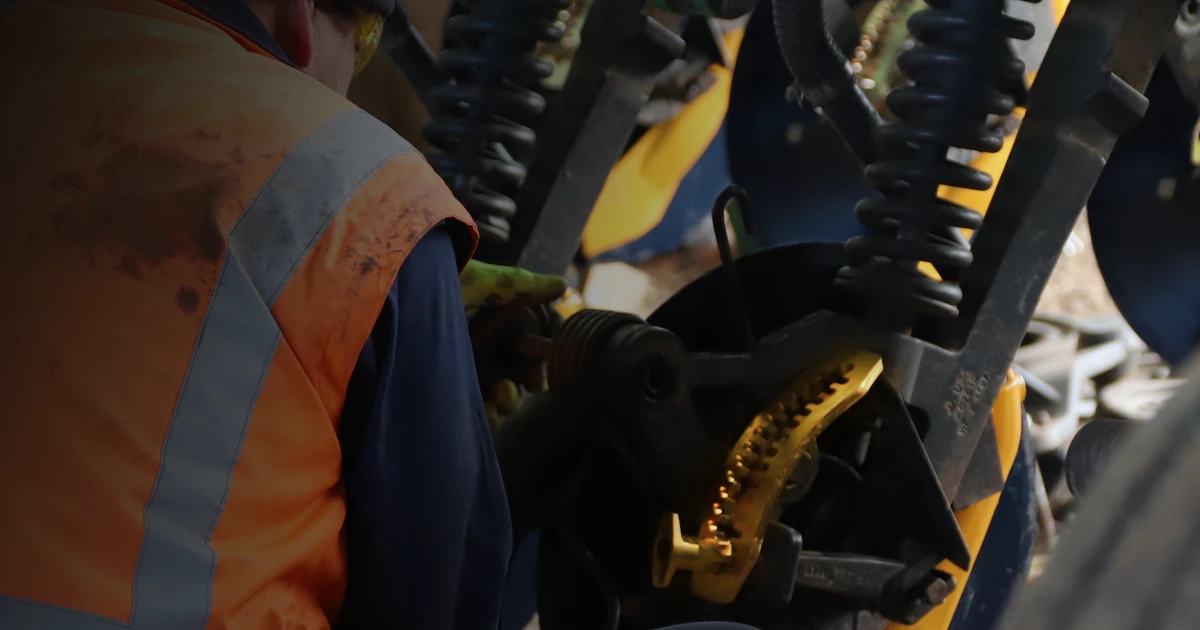
Your Cover Plates and T-Handles control where the gauge wheels actually run and that’s what decides how even your stand turns out. When these parts loosen or wear down, seed depth starts to wander, and it shows in the rows. Staying on top of this small piece of maintenance keeps your emergence consistent and your yield potential intact.
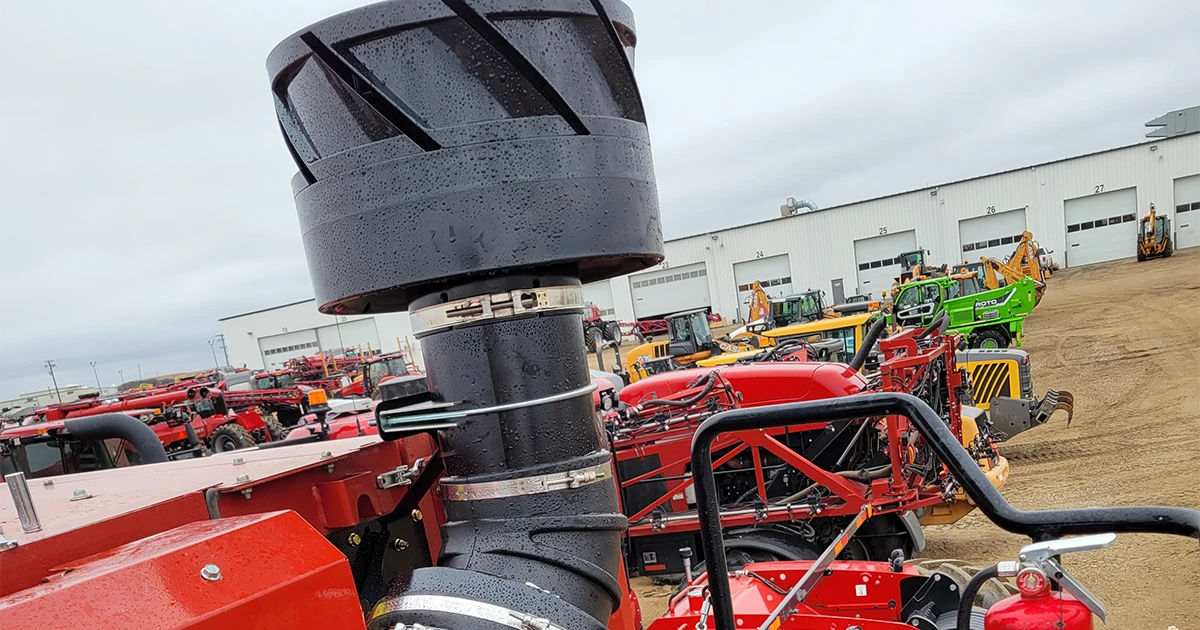
Why the KAS Pre-Cleaner Is a Must-Have for Skid Steers, Tractors & Combines
Keeping machines running in dusty, high-debris environments has always been a challenge. That’s where the Redekop KAS Pre-Cleaner comes in. It’s a smart, simple upgrade designed to protect your engine and reduce the number of air filter changes throughout the season. Built for combines, skid steers, tractors, and more, it’s an easy win for better uptime and longer machine life.
» Read more about: Why the KAS Pre-Cleaner Is a Must-Have for Skid Steers, Tractors & Combines »
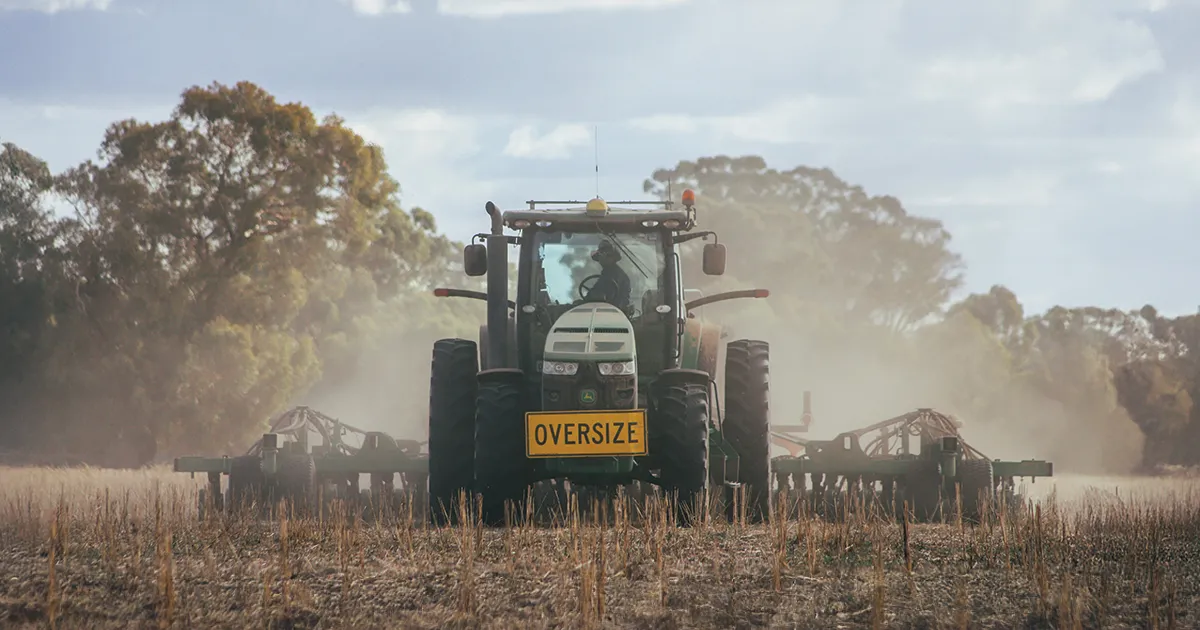
A straightforward guide to clearing residue without losing moisture, stand, or speed.
» Read more about: Residue Management Myths: What Canadian Air Seeder Operators Get Wrong »
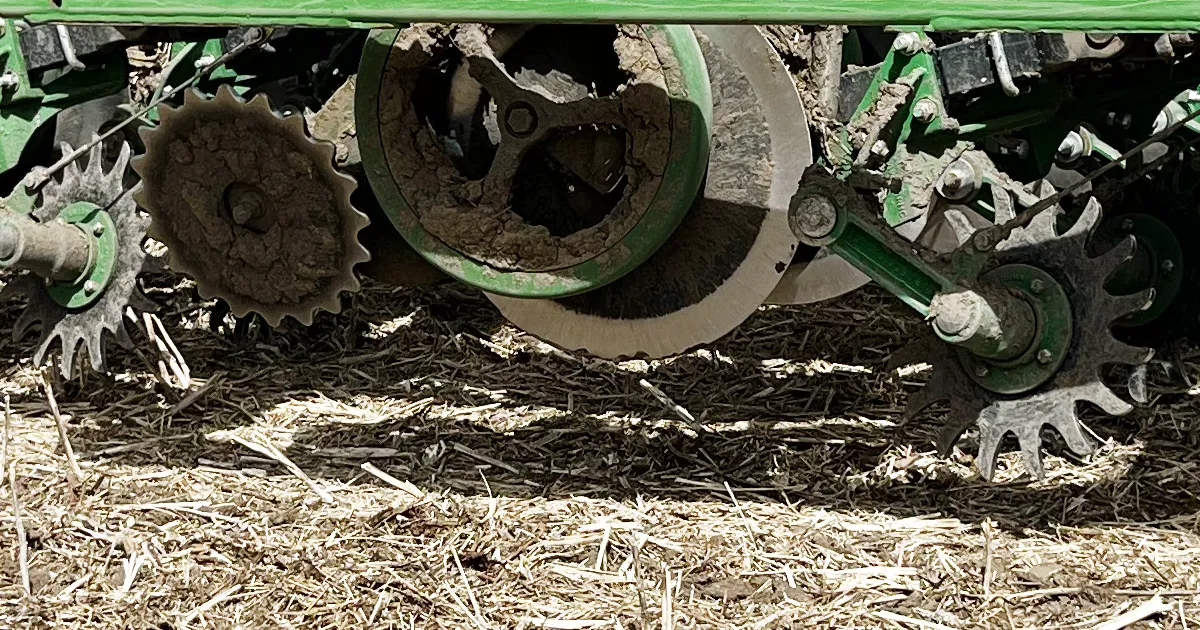
Residue is a good sign, proof your soil is healthy, your yields were solid, and your ground is protected. But when it comes time to plant, that same residue can quickly become your biggest challenge. Keep reading for residue management tools for better crop emergence!
Hairpinning. Uneven depth. Cold, wet seedbeds. Poor emergence. You’ve likely seen it all if you’re seeding into heavy or damp residue. And while no-till practices have clear long-term benefits,
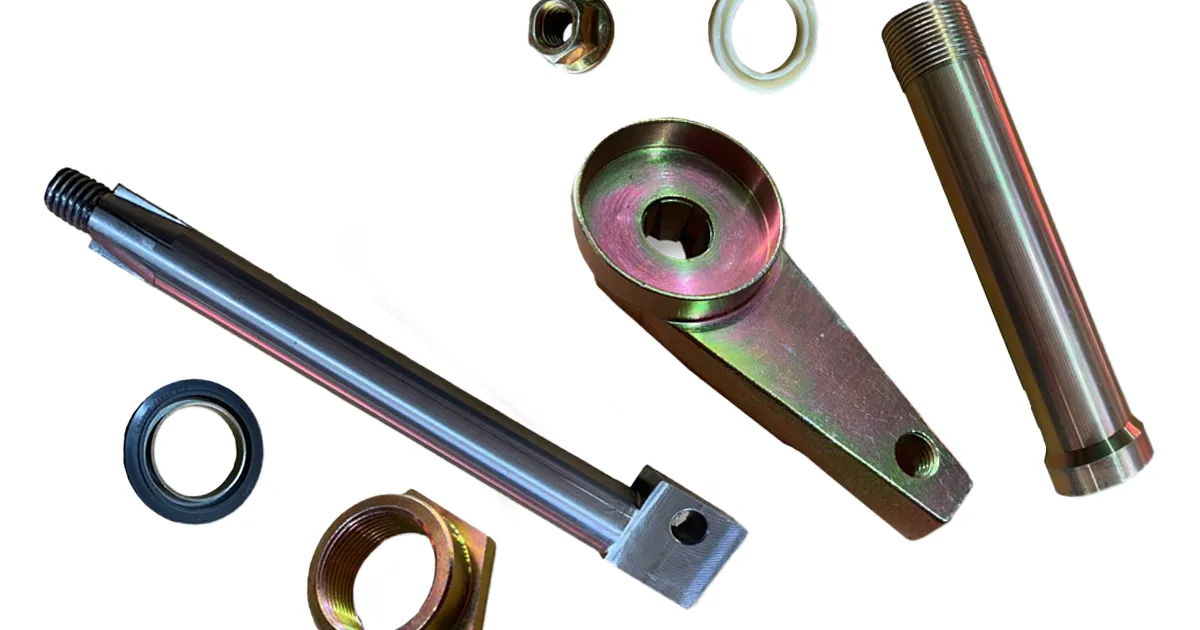
The Hidden Costs of Greasable Parts: Why Switching to Non-Greasable Saves in the Long Run
Let’s be honest—no one wakes up excited to grease equipment. It’s messy, time-consuming, and always seems to get bumped down the list when harvest is on, cows are out, or the weather just won’t cooperate. But here’s the kicker: while greasing might seem like a small task, those “little” maintenance jobs can really add up over time—both in labor and cost.

Residue management might not be the flashiest part of your drill setup, but when it’s not doing its job, it shows up fast. Whether it’s plugging, poor seed placement, or uneven emergence, the wrong residue manager can cost you in both yield and time.
» Read more about: Side-by-Side: Comparing the Top Residue Managers for John Deere Drills »

If there’s one thing a farmer doesn’t want to see during planting season, it’s hairpinning. You’ve done all the prep, conditions seem right, but then that trash gets pushed into the furrow instead of being cleared—and suddenly you’re dealing with poor seed-to-soil contact, uneven emergence, and lost yield potential.
It’s frustrating. It’s avoidable. And that’s where the Aricks Residue Manager comes in.
» Read more about: Preventing Hairpinning: How the Aricks Residue Manager Stands Out »

If you’re tired of spending valuable hours under your air seeder with a grease gun, this one’s for you.
Upgrading to Aricks Non-Greasable Bush Kits is one of those changes that seems small… until you experience just how much time, frustration, and wear it saves. Let’s break down why these bush kits are quickly becoming a no-brainer upgrade for farmers who want durability without the daily hassle.
» Read more about: Are Non-Greasable Bush Kits Worth It for Air Seeders? »

Lip Wear is Killing Your Gauge Wheels—Here’s How to Stop It
If you’ve ever dealt with worn-out gauge wheels, you know how frustrating it can be. One season they’re working fine, and the next, they’re barely holding up. The culprit? Premature lip wear. When the lip on your gauge wheel wears down too quickly, it directly impacts your planter’s performance—leading to uneven seed depth, poor seed-to-soil contact, and ultimately, lower yields. But why does it happen, and more importantly, how can you stop it?
» Read more about: Lip Wear is Killing Your Gauge Wheels—Here’s How to Stop It »

When it comes to planters and drills, we all tend to focus on the “big stuff” — openers, gauge wheels, seed boots. But often, it’s the small parts that quietly cause the biggest headaches. Case in point: your cover plates and T-handles.
» Read more about: Why Your Seeder’s Losing Depth (and How to Fix It Fast) »

Martin-Till 1360 Floating Row Cleaner Specifications: Your Complete Guide
The Martin-Till 1360 Floating Row Cleaner is a game-changer for farmers seeking efficient residue management and superior planting performance. Built for durability and versatility, this row cleaner is a trusted solution for producers who need reliable tools to handle heavy residue and varying field conditions. In this article, we’ll explore the key specifications, features, and benefits of the Martin-Till 1360 Floating Row Cleaner to help you determine if it’s the right fit for your operation.
» Read more about: Martin-Till 1360 Floating Row Cleaner Specifications: Your Complete Guide »

Do Your Seed Firmers Hold Up Over Time?
Why Consistent Firming Pressure Makes All the Difference
When it comes to planting, the difference between having a bumper crop or having a disappointing yield often comes down to one thing: consistent seed-to-soil contact. And while many seed firmers may seem similar at first, the real difference shows up after a few hundred acres.
» Read more about: Do Your Seed Firmers Hold Up Over Time? »

True Singulation Matters: Get It Right for Crops Like Canola and Sesame
When you’re planting small seeds like canola or sesame, even spacing isn’t just nice to have—it’s everything. The trouble is, most seed disks out there just aren’t made for the job. They’re built for more general crops, and that can lead to skips, doubles, and uneven emergence that cost you yield before the season even gets going.
That’s where the RRV Seed Disk comes in.
» Read more about: True Singulation Matters: Get It Right for Crops Like Canola and Sesame »

Martin-Till Weight Transfer System Installation Guide: Step-by-Step Instructions
The Martin-Till Weight Transfer System is an essential tool for ensuring proper weight distribution across planters, enhancing performance and reducing wear on equipment. This guide will walk you through the step-by-step installation process and provide tips for optimal usage.

Let’s talk about something every farmer knows all too well—greasing.
It’s one of those necessary evils. Before the drill hits the field each week, you’re under the rows with the grease gun, giving each gauge wheel axle its dose. You know it keeps things running smooth and prevents early wear, but let’s be honest—it’s tedious. And if you’ve got a big drill planter, it eats up a chunk of time you could be using planting.
» Read more about: Cut Weekly Maintenance: How Non-Greaseable Gauge Wheel Axles Save Time & Money »

The Truth About Premature Wear in Seed Firmers (And How to Prevent It)
If you’re noticing uneven emergence, inconsistent seed depth, or gaps in your stand, your seed firmer might be the culprit. Traditional seed firmers wear out quickly, losing the ability to maintain proper pressure and seed placement. Over time, this results in lost yield potential and higher replacement costs.
» Read more about: The Truth About Premature Wear in Seed Firmers (And How to Prevent It) »

Martin-Till fCrusher Closing Wheel Benefits: How It Enhances Your Planting
The Martin-Till fCrusher Closing Wheel is an essential tool for achieving optimal seed trench closure and ensuring uniform crop emergence. Engineered for both no-till and conventional tillage systems, the fCrusher delivers unparalleled performance in maintaining soil structure and promoting healthy plant growth. This article highlights the key benefits and features of the fCrusher Closing Wheel.
» Read more about: Martin-Till fCrusher Closing Wheel Benefits: How It Enhances Your Planting »

Wobbly Gauge Wheels? Here’s Why It’s Hurting Your Crops
If you’ve ever walked your fields and noticed uneven emergence, thin stands, or erratic plant spacing, your planter’s gauge wheels might be to blame. Specifically, wobbly gauge wheels caused by worn-out bearing hubs can quietly sabotage your planting accuracy, leading to costly stand establishment issues.
The Problem: Worn Bearing Hubs = Wheel Wobble
Gauge wheels play a critical role in maintaining consistent seed depth by regulating the contact between your planter opener and the soil.
» Read more about: Wobbly Gauge Wheels? Here’s Why It’s Hurting Your Crops »

Still Fighting Row Unit Bounce? Start by Looking Upstream.
You know the feeling—your planter’s in the ground, the monitor looks fine, but something’s off. Then you look back and see the row units bouncing. It’s frustrating, and it’s costing you even emergence. The thing is, row-unit bounce can have a few different causes—everything from downforce issues to planting too fast, to gauge wheels that aren’t quite dialled in.
But one of the most overlooked (and easily fixable) factors? Residue that’s not being cleared properly.
» Read more about: Still Fighting Row Unit Bounce? Start by Looking Upstream. »