


















A clean seedbed in spring starts with what you leave behind at harvest.
That means managing residue all the way from the combine to the planter. From cutting it consistently, spreading it evenly, helping stalks break down, and keeping the seed row clear. Each step makes the next one easier.
What Heavy Residue Actually Costs You
Residue is not the enemy. The problem is residue that is badly sized, badly spread, or not broken down when the opener arrives.
When residue isn’t managed properly, these are the problems that follow:
Plugging. Thick mats stop the planter/drill or force you to crawl. In a short seeding window, that is acres you do not get back.
Hair-pinning. The disc pushes residue down into the trench instead of cutting through it. The seed comes to rest on a folded piece of straw with an air gap underneath. Seed-to-soil contact is broken before the seed ever swells, and germination goes ragged across the field.
Cold, wet soil. A heavy mat insulates the surface. Ground under it warms later in spring and holds moisture longer. Emergence comes later and spreads out over more days, which costs you uniformity all season.
More fieldwork. Heavy corn stalks can take more tillage and residue management to get the field ready for planting, costing fuel, time, and another pass before the planter rolls.
Control Point One: How The Combine Sizes And Spreads
The combine is doing residue management whether you are managing it or not. Three settings matter more than most operators give them credit for.
Spread width against header width. This is the most common and most correctable residue mistake in the field. Run a 40-foot header with a spreader throwing 25 feet, and you build a concentrated band of straw and chaff down the middle of every pass, with thinner ground on either side. Next spring that band is where the drill plugs and where emergence goes uneven. Make sure to match spread width to cut width, and check it by walking the field rather than trusting the setting on the monitor.
Chop length. Finer chop breaks down faster because you have given the soil microbes more surface area to work on. It also mats more readily in a wet spring. Longer chop anchors better, resists blowing, and lets air move through the layer. Match it to your current soil and moisture, not to last year’s setting.
Uniform residue starts with what leaves the back of the combine. If straw and chaff are not being sized and distributed consistently across the full cut width, the problem will still be sitting there when the opener comes through in spring. The goal is an even residue pattern across the field, not heavy bands behind the machine and bare ground beside them.
Control Point Two: Deal With Corn Stalks During Harvest
Corn leaves behind a lot of tough material, and intact stalks can keep causing problems long after the combine leaves the field. They can increase tire wear, interfere with later fieldwork, and leave you with more residue to manage before planting.
That makes harvest the best time to start dealing with them. Corn head-mounted tools such as the Rezidue Reaper work below the soil surface while you combine, cutting and conditioning stalks down into the root zone instead of leaving them standing intact behind the machine.
The less tough, standing residue you leave behind at harvest, the less you have to fight before the planter or drill comes back through.
Control Point Three: Clearing The Row At Seeding
You will still have residue at seeding, and that is fine. The job at this stage is to get residue off the seven- or eight-inch area where the opener is about to run and leave the rest of the surface covered.
Row cleaners, for example, sweep residue out of the row ahead of the opener. Floating designs follow ground contour and hold a consistent relationship to the surface as it rises and falls, which matters on rolling ground. Pin-adjust designs hold a fixed setting, which suits flatter, more uniform fields. Martin-Till builds both.
Furthermore, residue managers do the same job on disc drills and air seeders, clearing a path so the disc cuts through residue instead of folding it into the trench. Mark Dugan of Maroondah Farm added Aricks residue managers to his 40-foot John Deere 1890 and said that sowing into dry, heavy stubble, the difference was visible immediately.
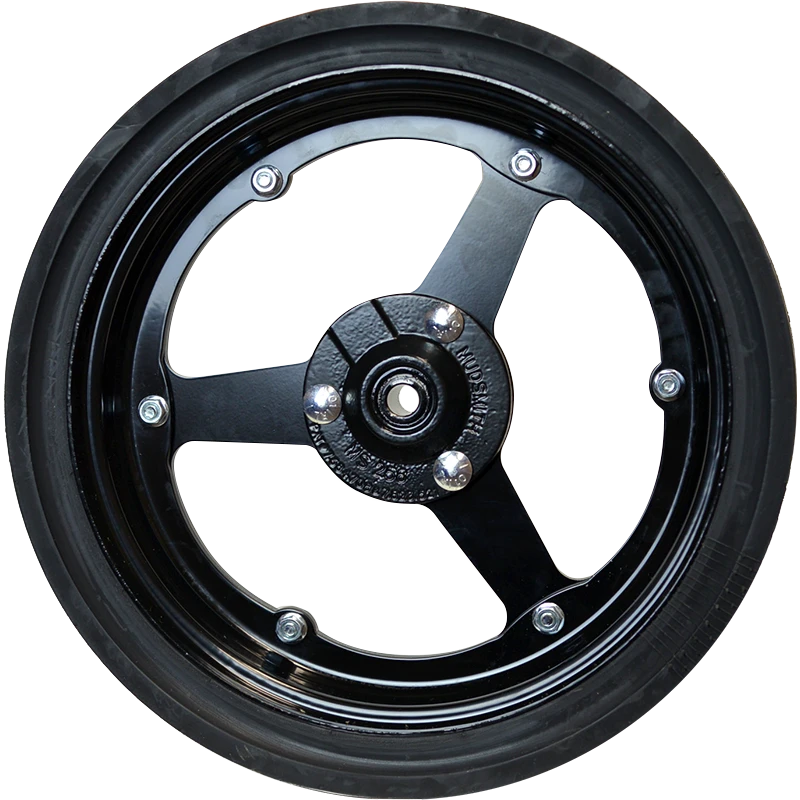
Seed firmers and gauge wheels finish the job. A firmer presses the seed into the bottom of the trench so it contacts soil rather than sitting in an air pocket. Gauge wheels hold depth, and spoked designs like MudSmith shed mud and trash rather than packing full of it, which is what makes depth wander in heavy residue.
5 Ways to Catch Residue Problems Before They Cost You
- Pace out your spread. Walk from the center of one pass to the center of the next and look at where the straw actually landed. A visible band with thin ground beside it means your spreader is not matched to your header.
- Look at the chaff, not just the straw. Chaff is the fine fraction; it travels the shortest distance from the machine, and it is the layer that mats. If the chaff sits in a narrow ribbon, that ribbon is where your drill will plug.
- Kick the corn stubble. Are the root balls intact? Intact root balls in October mean a tillage pass or a rough ride in April.
- Judge chop length against your conditions. Fine and wet is a mat. Short and dry blows. Set it for the spring you are likely to get, not the one you had last year.
- Set row cleaners to move trash, not soil. This is the one most operations get wrong. If the cleaner is throwing dirt, it is set too deep. It should sweep residue off the row and skim the surface, nothing more. Too deep costs you moisture and creates the uneven trench you were trying to avoid.
Every pass leaves behind either a cleaner path to planting or another problem waiting for April. Those uneven spreads, heavy mats, intact stalks, and poorly managed residue will eventually mean slower planting, plugged openers, poor seed placement, and uneven emergence.
Manage residue now and reward yourself with a cleaner planting window, fewer problems at the opener, and a better shot at fast, uniform emergence when every spring day counts.