











When you’re in the middle of seeding, the last thing you need is unexpected downtime.
John Deere air seeders and air disc drills operate in demanding conditions, including heavy residue, abrasive soils, dust, and long acres. Over time, wear tends to show up in predictable places: closing wheel systems, bushings, and pivot points that absorb constant pressure and vibration.
Many growers notice that OEM wear parts on John Deere air seeders can wear faster than expected, leading to movement in the system, inconsistent trench closure, and repeated repairs.
Catching these issues early helps avoid downtime, but many producers also look at strengthening these common wear points at the same time.
Common Wear Points on John Deere Air Disc Drills
Closing wheel arms and bushings carry continuous load, particularly in no-till and high-residue environments. As these parts begin to wear, drill performance can gradually change.
You may notice:
- Inconsistent seed trench closure
- Excess movement in the closing wheel arm
- Bushings that require constant greasing
- Uneven emergence behind the drill
These symptoms are sometimes mistaken for setup issues, but they are often signs that air seeder wear parts are no longer maintaining proper alignment and pressure.
Strengthening High-Wear Components
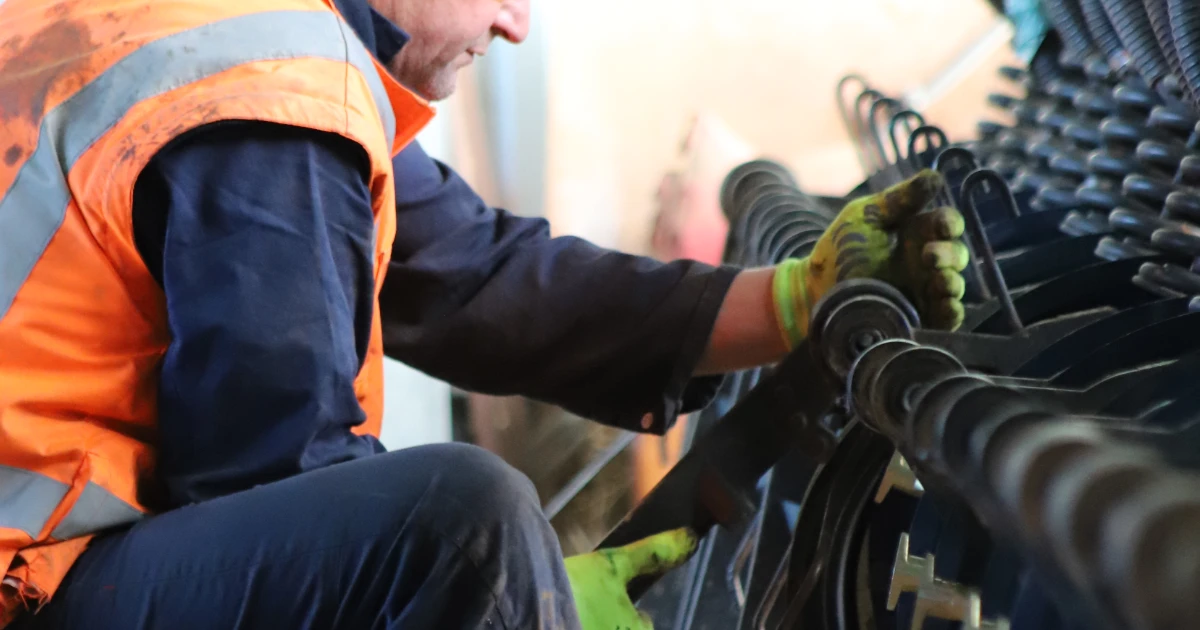
Aricks Australia began by rebuilding John Deere air disc drills and consistently saw the same wear areas causing downtime. That experience led them to engineer replacement components designed to address those weak points and extend service life.
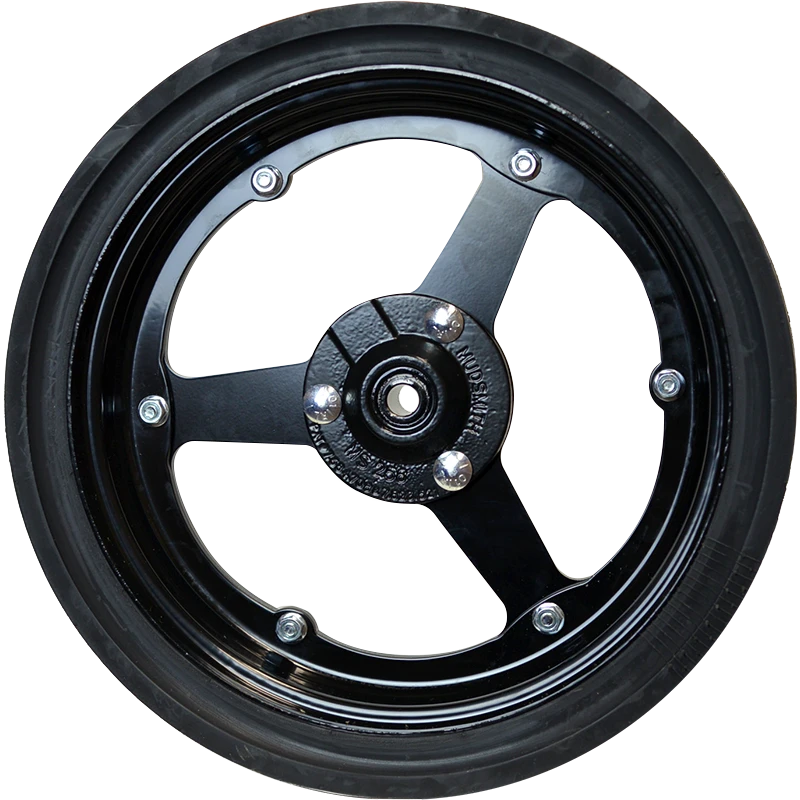
The Aricks 20 Point Closing Wheel was developed to improve consistent trench closure while standing up to abrasive field conditions.
Aricks is also known for their non-greasable, self-lubricating bush systems. In dusty environments, grease can attract dirt and debris, which may accelerate wear. Eliminating that requirement helps reduce maintenance and prevents many of the seizure issues commonly seen in heavily greased systems.
Reduce Downtime. Protect Emergence.
Proactive upgrades are often less costly than repeated in-season repairs. Closing systems play a direct role in seed-to-soil contact and crop uniformity, and worn components can impact both.
If you’re unsure whether your closing system is showing signs of wear, the team at Thunderstruck Ag can help walk through your setup and identify high-wear areas before they cost you acres.
For more information, contact Thunderstruck Ag at 1-855-612-7006.