









Your Harvest Guide
At Thunderstruck Ag Equipment, our mission has always been to help farmers get the most out of their operations. Our team knows farming and they know what equipment can help you get the best returns.
Harvest does not give you much room for error. Weather changes fast, crop conditions shift throughout the day, and every pass across the field can mean the difference between grain in the bin and profit left behind.
At Thunderstruck Ag, we focus on harvest solutions that help farmers improve feeding, increase combine performance, reduce grain loss, manage residue, and make better decisions in the field. Whether you are fighting uneven crop flow, rotor overload, tough threshing, grain loss, residue buildup, or harvest inefficiencies, our lineup is built to help you get more out of every acre.
We work with farmer-built and field-tested products that solve real problems. Not gimmicks. Not guesswork. Just practical upgrades that help your equipment perform the way it should when harvest is on the line.
Harvest in North America

A successful harvest is never guaranteed. Across North America, farmers deal with different crops, soil types, moisture levels, field conditions, and weather windows. Some areas fight short seasons and early snow. Others deal with heavy residue, wet crop, tough threshing, or high-yield conditions that push equipment to its limit.
That is why harvest performance is not about one single upgrade. It is about understanding where loss and inefficiency are happening, then choosing the right solution for that part of the process.
For many farmers, harvest challenges start with feeding and continue through the combine. Crop needs to move smoothly. Grain needs to thresh cleanly. Loss needs to be measured accurately. Residue needs to be managed properly. When one part of that system is not working, the whole operation can slow down.
Thunderstruck Ag helps farmers improve harvest performance from crop feeding to residue management.

Did you know?
Agricultural land makes up 44% of American land and 53% of Canadian land.
Seasons
There is no ‘off season’ when it comes to farming. Each season brings with it another set of jobs that need to get done before the next one can start. From planning, prepping, planting, monitoring, harvesting, storing, and selling – a farmers job is never done.
-
Spring Prep
March–May
Spring is a busy time on a farm and sets the course for the rest of the year. Farmers are making sure all the equipment is in working order and ready to go so planting can happen before weeds take over fields. Field checks are constantly made to see when they are dry enough to start the season. If you go too soon, you get stuck in the mud; wait too long and your crop (depending on what you are planting) might not be ready before the snow comes. With the unpredictability of spring weather, it’s a stressful time on any farm.
-
Summer Growing Season
June–August
The summer months mean monitoring crops for weeds, pests or fertilizer needs. It’s also when irrigation is required. Hoping it will rain doesn’t make it happen, so farmers have to make sure their crops are getting enough water to remain healthy by irrigation.
When they’re not busy checking or watering their fields, farmers are once again checking on their equipment. Regular inspections can save a farmer a lot of time and money when it comes to harvest. Summer is a crucial time to make any necessary repairs, replacements or upgrades to equipment to ensure a smooth harvest.
-
Autumn Harvest & Maintenance
September–November
Fall is the busiest time of year for farmers. Harvest means lots of work and long days on the fields. Farms often bring on extra workers to ensure everything is harvested before the snow falls. Once the fields have been harvested the farmers store their crops for eventual sale.
-
Winter Planning
December–February
Once the fields have been harvested and the combines have been stored, things get a little quieter on the farm. Farmers use this time to review yield maps, and make the decisions on how they should proceed the following year. This is also the time of year when budgets are set and supplies are purchased for the next planting season.
Regional Crops
Farming in North America is unique in every state or province; the crops, the land, the climates are different everywhere you go. Every farm deals with its own set of challenges and knowing which crop is best suited for the area is something farmers have learned and adapted to over the years. Adaptable crops are most suited to areas with mixed climates, in choosing these crops, you’ll also want to consider crops that are adaptable to crop protection methods. Canada is the largest exporter of beans, peas, chickpeas and lentils in the world. This can be attributed to the fact that these are cool season crops meaning they can be seeded early and are tolerant of light frosts which are common in Canadian climates.
There are a lot of determining facts when farmers are selecting which crops to plant. Market prices, seed costs, and herbicide costs are just the tip of the iceberg. Cropping rotation keeps farms from planting the same crop year after year to improve soil health and break up pest and disease cycles. Different equipment or attachments are required for harvesting different crops so most likely a farmer that plants corn or wheat isn’t rotating to something like cotton that would require a completely different piece of equipment.
Crops in Canada
-
 1
1
Wheat
Nationwide
-
 2
2
Canola
BC, AB, SK, MB
-
 3
3
Barley
Nationwide (AB produces 50% of Canadian barley)
-
 4
4
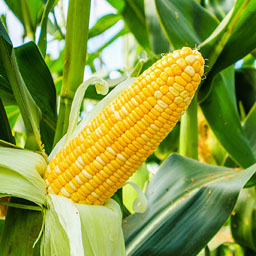
Corn
Nationwide
-
 5
5
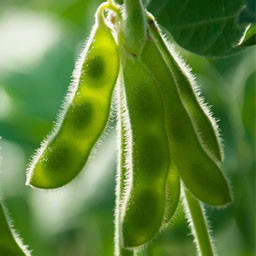
Soybeans
MB, ON, QU
Crops in America
-
1
Corn
IA, IL, NE, MN, IN, KS - Corn Belt
-
2
Soybeans
IL, IA, MN, NE, IA
-
3
Barley
ID, ND, MT, CO, WY, WA
-
 4
4
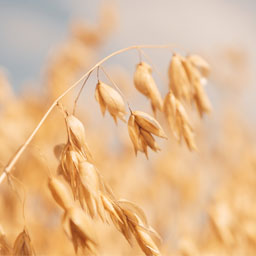
Oats
ND, SD, WI, MN, IA
-
 5
5
Rice
TX, FL, AR, MS, MO, LA, CA

Did you know?
Corn is an ingredient in over 3,000 grocery products.

Equipment Innovation

Since farming has been around for centuries, changes in harvesting equipment over the years is to be expected. The continuous innovations in farming equipment have proven that farmers see solutions where others might see problems. If something isn’t working, or if it cannot be done safely, they work to find a better way. No one understands what a farmer needs more than a farmer which is why the advancements in the agriculture industry are usually made by farmers.
Farming is typically a generational occupation – farms are passed down and taken over by the next generation. The way the father did things isn’t always the best (or safest) way for the next generation, so they find a better more efficient way to get the job done. Sometimes it’s a simple solution to upgrade to something available on the market, but sometimes it’s tinkering and welding scraps together to make something that gets the job done in a better way. Through trial and error, farmers have been able to progress through changing times and keep their farms in operation.
Farming has come a long way from hand-fashioned tools and no-electricity. With today’s equipment, farmers can get the job done faster, safer and better than they ever could before.
We make harvest better
Contact our sales team to see how we can help with a successful harvest!
History of Plant & Harvest
1784
1st Stationary Threshing Machine
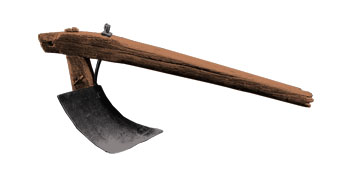
1797
1st Cast-Iron Plow
1850
1st Corn Picker

1868
Steam Tractors Introduced
1886
1st Self-Propelled Combine

1892
1st Gas Powered Tractor
1927
1st Swather for Sale
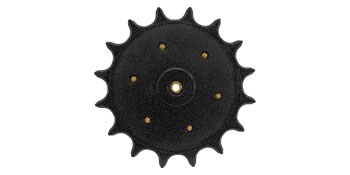
1993
1st Spiked Closing Wheel
2006
1st Steering System Based on RTK GPS
1794
1st Hand Powered Cotton Gin
1842
1st Grain Elevator
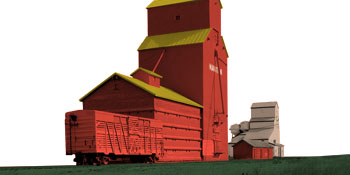
1855
1st Self Propelled Steam Traction Engine for Plowing
1884
1st Horse Drawn Combines

1892
1st Successful Gas-Powered Engine that drives in forward and reverse.
1904
1st Successful Crawl Tractor

1947
1st Grain Auger Unloader for Combines
1994
Satellite Technology Introduced

Did you know?
Farming in Canada can be traced back to the 15th century.
Farm Safety
Farm safety should always be the number one priority for any operation. We all know rushing to get a task done can cause more harm than good. Pre-planning your harvest can ensure you have allotted enough time to get everything done on time.
Emergency Plan
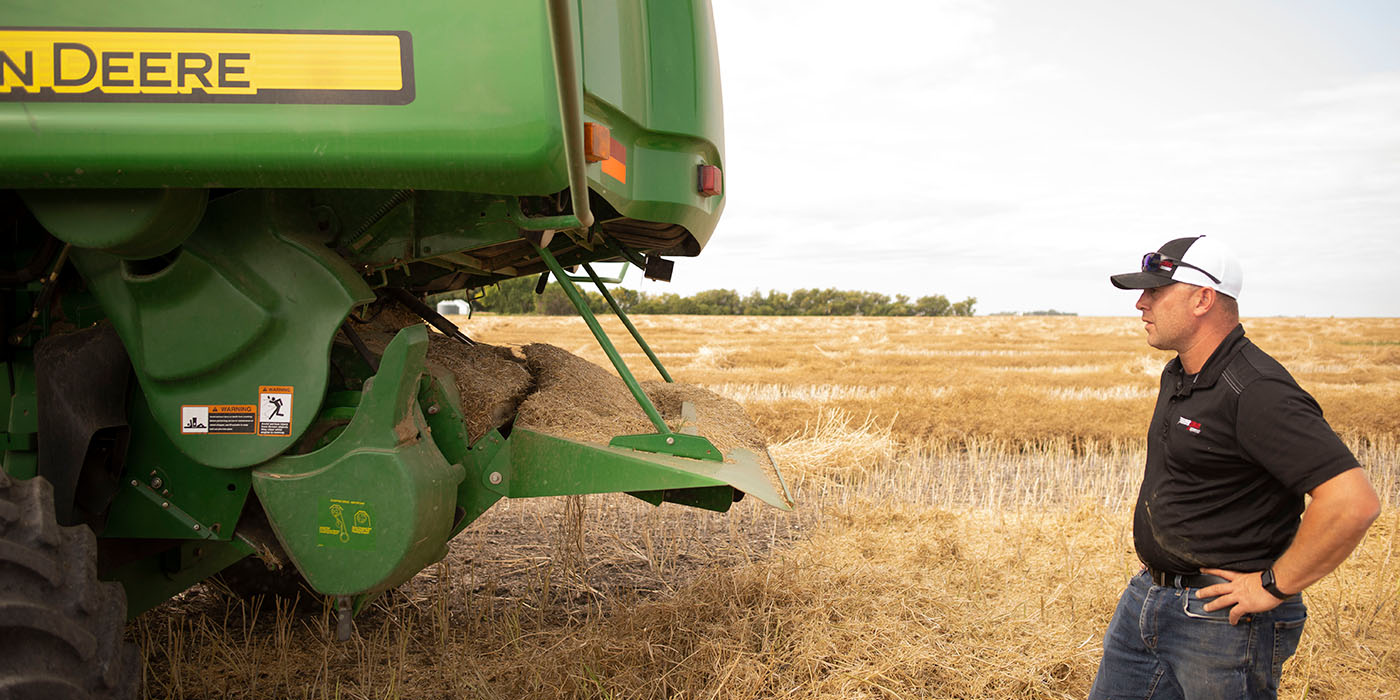
Establishing an emergency plan for you and your workers is paramount during harvest season. Taking a few minutes to check-in at an arranged time can help with locating workers and evaluating any issues that may have come up. If a worker has attempted to make a repair and has become seriously injured in the process the check-in system would prevent them from being stuck out in the middle of nowhere without any help. Knowing which fields everyone is working on and the routes they take to get there allows you to retrace anyones steps should they fail to check-in and cannot be reached. Ensuring that all equipment has a properly stocked first-aid kit is essential for any minor injuries that may occur. Accidents happen and a lack of proper supplies could potentially be a matter of life or death when dealing with large equipment.

Training
Basic training for any and all equipment should be given to anyone that will be using it. When mistakes are made with large equipment the consequences could be disastrous. A simple run-through of how a machine works could save you valuable time and money.
Safety Checks
Conducting routine checks on equipment can prevent any issues from occurring while you’re out in the field. If any issues do come up the temptation to make a quick fix can be costly, and remembering to take the time to shutdown the equipment before trying to make any adjustments is crucial to keeping your operation running safely.
Health
Personal safety can also be attributed to staying hydrated, ensuring you are eating regularly, taking stretch breaks and resisting the urge to work through the night. A proper night’s sleep is your best ammunition for a productive day.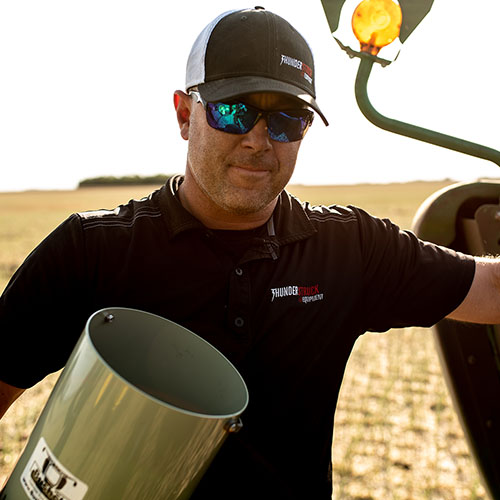
A Safer way to Farm
We proudly represent companies that are investing in the production of products that are designed for safer and more productive farm operations. Our dedicated sales team can help you find the right products for you and your equipment, give us a call today!
Harvest Solutions
At Thunderstruck Ag, we’ve made it our mission to help farmers get the job done better. We’ve compiled a line-up of the best in farm innovation and we’re excited to get your operation fitted with the best the market has to offer.

Razors Edge Concaves
Featuring an advanced variable spacing design, these concaves maximize threshing efficiency for multiple crops while reducing grain loss and improving material flow. If you want to streamline your operation and enhance your yield, this is the upgrade you’ve been waiting for.

Typhoon
Maximize capacity and minimize downtime with the Typhoon from iPaddock.
The Typhoon is designed to aggressively grab crops and pull them through in a constant steady flow, allowing you to go faster and get the crop off quicker. The Typhoon drum is smaller than the competition giving you more space to feed crops through.
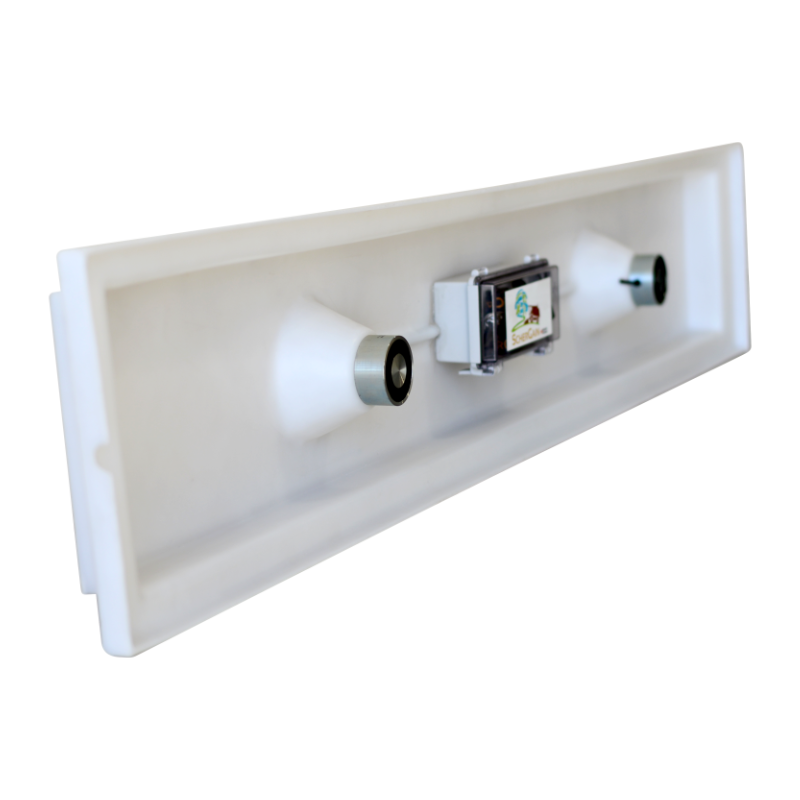
Drop Pan Solution System
Simply drop the pan when you’re operating the combine, clean the sample, measure it in the gauge and check for loss/acre with the supplied chart. With the ScherGain Solution System, you can be sure you’re putting all the crops possible in the bin!
Ideal for farmers, seed growers, agronomists, equipment dealers, seed companies and more!

Why we're in ag
Thunderstruck Ag Equipment was born out of a passion for selling innovative products. When we first started we had no intention of exclusively selling Ag products, but once we started working with farmers and being a part of the agriculture community we never looked back.
When we first started looking for products to represent we wanted to work with small businesses that built quality products that needed a little help getting to market. Our intention was to step in and help them with their marketing and assist them in selling their products. We ended up falling in love with the ag industry and everything it stood for; hard working, quality people who step up to help their neighbours and their communities whenever they can. Nothing comes close to the same kind of connections you find with farmers – it’s not a competition but a community. It’s this mindset that allows farmers to see solutions when others would see problems. When something isn’t working they can find a better way, and they don’t keep it to themselves, they want to help others facing the same problem. Farmer invented products are what we want to represent and farmers are the people we want to work with.

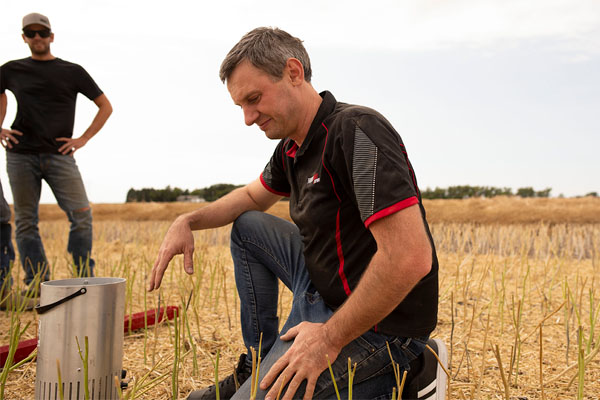
We represent products that are designed by farmers for farmers and are very selective in what we choose to represent. All of our products are either unique or superior against the competition. We work side by side with the manufacturers and inventors of everything we carry. Our goal is to make planting and harvesting easier, with products designed to solve common problems within the industry.
We’ve stacked our team with the most dedicated people you can find. We’re invested in every product and company we work with, and going the extra mile for our clients isn’t even a question. We may not have started out with the intention of selling ag equipment, but today, we wouldn’t want to be in any other industry.

Let's do this
Interested in joining the Thunderstruck family? Contact us today, to see how we can help you.